


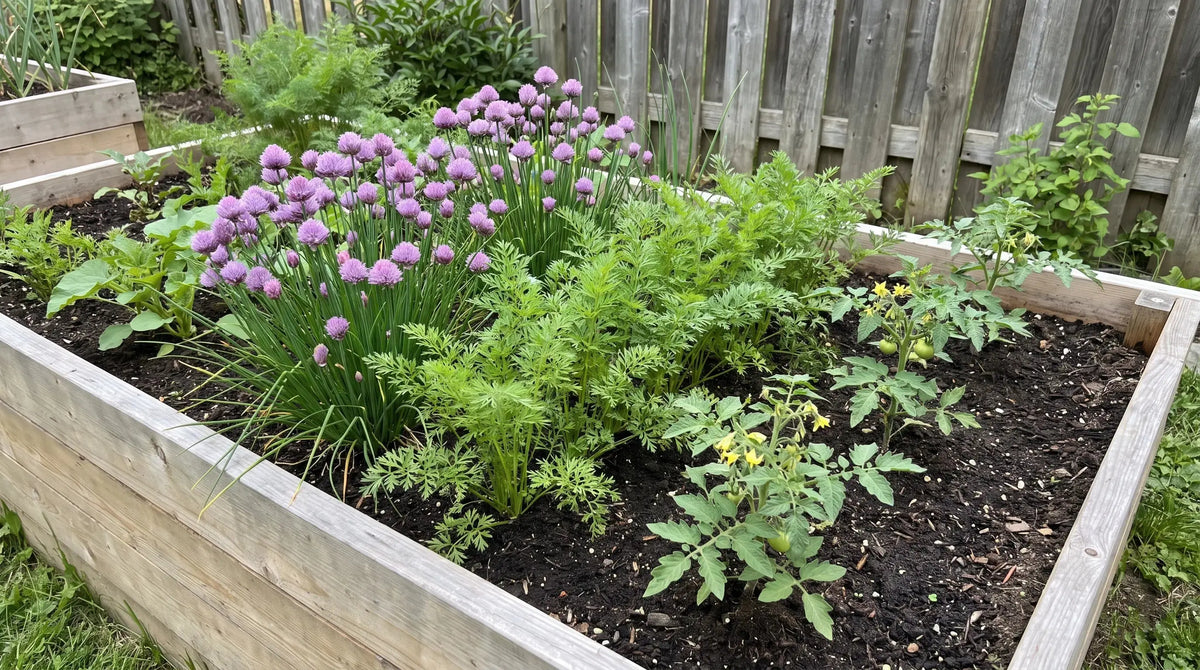
Chives Companion Planting: What to Grow and Avoid
Updated August 2026
The best companion plants for chives are carrots, tomatoes, roses, brassicas like cabbage and broccoli, strawberries, cucumbers, and apple or fruit trees. Chives give off a sulfur-rich, oniony scent that quietly repels aphids, carrot rust fly, and beetles, while their purple pom-pom flowers pull in the bees and ladybugs that keep a garden in balance. As a tough little perennial that comes back every year, chives are one of the easiest companion plants you can tuck into almost any bed. The one rule to remember: keep them away from beans, peas, and asparagus.
For the bigger picture, see our complete companion planting chart for what to plant together across the whole garden.
Plant chives with: carrots, tomatoes, roses, brassicas (cabbage, broccoli, kale), strawberries, cucumbers, and apples or other fruit trees.
Keep chives away from: beans, peas, and asparagus.
The best companion plants for chives
Chives earn their keep through their allium scent. That oniony aroma masks the smell of nearby crops and drives off soft-bodied pests, while the flowers feed pollinators and beneficial predators. Here are the companion plants for chives that gardeners come back to year after year, and why each pairing works.
Carrots
This is the classic pairing. Carrot rust fly hunts by scent, and the strong smell of chives masks the carrots it is looking for. Interplanting the two helps protect the roots, and many growers report longer, sweeter carrots when chives share the row.
Tomatoes
Chives deter aphids and other soft-bodied pests that love to cluster on tomato stems, and there is a long-held belief among gardeners that chives nearby improve tomato flavor. Tuck a clump at the base of each plant and let a few flower to bring in pollinators.
Roses
Chives and roses are a time-honored match. The allium oils help repel the aphids that swarm new rose growth, and gardeners have long planted chives at the feet of their roses to help them resist black spot. The flowering chives also soften the base of the bush with a haze of purple.
Brassicas (cabbage, broccoli, kale)
The cabbage family is a magnet for aphids and cabbage pests. Chives planted alongside help confuse and deter those pests with their scent, making them a natural fit at the edges of a brassica bed.
Strawberries
Chives make a tidy border around a strawberry patch. They help deter aphids and other pests, and gardeners often find their berries crop a little more generously with chives standing guard nearby.
Cucumbers
Aphids and cucumber beetles are the usual troublemakers on a cucumber vine. Chives help ward off both, and their flowers draw in the pollinators that a good cucumber harvest depends on.
Apples and fruit trees
A ring of chives around the base of an apple or other fruit tree is an old orchard trick. The alliums are believed to help the tree resist scab and deter pests and browsing animals, all while adding a low, pretty skirt of flowers.
In every case the mechanism is the same: the chives' allium scent does the pest work, and the flowers feed the pollinators. Let some of your chives bloom each year so the whole garden gets that benefit.
What not to plant near chives
Chives get along with almost everything, but there is one group to keep them apart from: legumes.
- Beans and peas: Alliums like chives can stunt the growth of beans, peas, and other legumes. The two simply do not thrive side by side, so give them separate beds or opposite ends of the garden.
- Asparagus: Asparagus is another crop that does not appreciate an allium neighbor, so it is best not to plant chives right beside your asparagus crowns.
The reason is straightforward. Alliums and legumes have a long-recognized antagonism in the garden, where the presence of onion-family plants seems to hold back the growth of beans and peas. You do not need to know the exact chemistry to use the rule: keep chives and legumes apart, and plant chives with just about anything else.
Why chives make a great companion
A few things make chives one of the most useful companion plants you can grow.
- They repel pests. The sulfur-rich, oniony oils in chives help deter aphids, Japanese beetles, and carrot rust fly, lowering pest pressure on the crops around them without any spray.
- They feed pollinators. When chives flower, their purple globes are covered in bees, hoverflies, and other beneficial insects. Those pollinators boost fruit and vegetable set, and the predators among them help keep aphids in check.
- They fit anywhere. Chives are a compact, low-growing perennial. They come back every year, take up almost no space, and slot neatly into borders, containers, and the gaps between larger plants.
How to use chives in the garden
Chives are easy to place because they ask for so little room. A few simple ways to put them to work:
- Edge your beds. Plant a low border of chives around vegetable beds and strawberry patches so their scent forms a protective ring.
- Tuck them between rows. Slip small clumps between carrots, brassicas, and tomatoes so the pest-repelling scent sits right where you need it.
- Ring your roses and fruit trees. A skirt of chives at the base of roses, apples, and other fruit trees helps with pests and disease and looks lovely in bloom.
- Let some flower for the bees. Allow part of your chives to bloom each year to feed pollinators, then trim those clumps back afterward to bring on fresh, tender leaves for the kitchen.
Space chives roughly 6 to 12 inches apart in clumps, give them full sun and well-drained soil, and they will look after themselves and their neighbors for years.
The best companion plants
Sale

Rainbow Carrot Seeds – Variety Pack, Non-GMO HeirloomBest pairingChives mask the carrot scent that draws carrot rust fly, so this classic pairing means straighter, sweeter roots.
Price$14.99
Sale Price$13.49
Sale

Tomato & Tomatillo Seeds Variety Pack – Non-GMO HeirloomTuck chives at the base of your tomatoes to help deter aphids, and many gardeners swear it sharpens the flavor too.
Price$19.99
Sale Price$16.99

Marketmore 76 Cucumber Seeds – Non-GMO HeirloomChives planted near cucumbers help ward off aphids and cucumber beetles while their flowers pull in pollinators for a bigger set.
Price$4.99
Sale

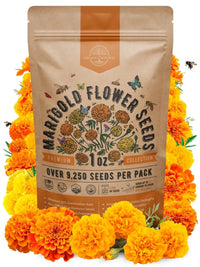
Marigold Seeds PackHeirloom, non-GMOPair chives with marigolds around the veggie patch for a double layer of pest defense that also feeds bees and butterflies.
Price$12.99Starting at$8.99
Sale

Nasturtium Seeds for Sale – Non-GMO HeirloomHeirloom, non-GMONasturtiums lure aphids away as a trap crop while chives repel them, a smart one-two combo for roses and cucumbers alike.
Price$14.99Starting at$6.99
Frequently asked questions
What should not be planted near chives?
Keep chives away from beans, peas, and other legumes, since alliums can stunt their growth. It is also best not to plant chives right beside asparagus. Nearly everything else in the garden makes a good chives companion, so these are the main plants to keep apart.
Can I plant chives with tomatoes?
Yes. Chives are one of the best companion plants for tomatoes. Their oniony scent helps deter aphids and other soft-bodied pests, and many gardeners find that chives nearby seem to improve tomato flavor. Plant a clump at the base of each tomato and let some flower to draw in pollinators.
Do chives keep bugs away?
Chives give off a sulfur-rich, oniony aroma that many common pests dislike, including aphids, Japanese beetles, and carrot rust fly. They will not clear a heavy infestation on their own, but as part of a companion planting plan they help lower pest pressure naturally, and their flowers bring in beneficial insects like ladybugs and hoverflies.
What grows well with chives?
Chives pair beautifully with carrots, tomatoes, roses, brassicas like cabbage and broccoli, strawberries, cucumbers, and apple or other fruit trees. Most herbs and flowers enjoy their company too. The main plants to avoid are beans, peas, and asparagus.
Can chives and carrots grow together?
Yes, and it is one of the classic companion pairings. The strong scent of chives masks the smell of carrots that attracts carrot rust fly, helping protect the roots. Gardeners often report longer, sweeter carrots when chives grow nearby. Plant the chives along the edge of the carrot row or in small clumps between plants.
Sale

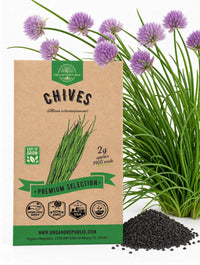
Chives Seeds – Non-GMO HeirloomStart hereHeirloom, non-GMO chives seeds. One easy perennial patch protects the crops around it for years.
Price$4.99Starting at$3.99

- Choosing a selection results in a full page refresh.











 Easy Returns 30-day guarantee