- 10
- 15
- 20
- 25
- 30
- 50
- Featured
- Most relevant
- Best selling
- Alphabetically, A-Z
- Alphabetically, Z-A
- Price, low to high
- Price, high to low
- Date, old to new
- Date, new to old
Sort by:
- Featured
- Most relevant
- Best selling
- Alphabetically, A-Z
- Alphabetically, Z-A
- Price, low to high
- Price, high to low
- Date, old to new
- Date, new to old
Included in Sets - Starts at $0.48 per Echinacea Seeds Variety
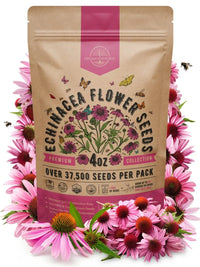
Grow your own echinacea (Echinacea purpurea), the striking purple coneflower cherished for its bold daisy-like blooms and its long history as a garden herb. Whether you want to buy echinacea seeds for a pollinator border, a cottage-garden display, or a patch of traditional medicinal herbs, you are in the right place. Our non-GMO heirloom echinacea seed grows into hardy perennials that return and multiply year after year. Echinacea is tough, drought-tolerant, and easy to start, thriving in full sun with very little fuss once established. Browse our echinacea seeds for sale below, then follow our complete echinacea growing guide to take your plants from seed to bloom.
What we love about growing echinacea
- Hardy perennial that returns and multiplies year after year
- Tough and drought-tolerant once established, low-maintenance and forgiving
- Long summer-into-fall bloom that bees and butterflies adore
- Striking seed heads feed songbirds and add winter interest
- Open-pollinated heirloom you can save and resow year after year
The bold purple coneflower worth a spot in your garden
Echinacea (Echinacea purpurea), better known as purple coneflower, is a hardy North American perennial grown for its large, daisy-like flowers with drooping rosy-purple petals and a raised, coppery central cone. Blooming from midsummer into fall, it is a magnet for bees and butterflies, and its seed heads feed goldfinches through autumn. Long valued as a traditional medicinal herb, echinacea earns its place in both the flower border and the herb garden.
How to grow echinacea from seed
Echinacea is a rewarding perennial to raise from seed. Sow echinacea seeds about a quarter inch deep in full sun and well-drained soil; the seed germinates best after a period of cold, so many gardeners fall-sow or cold-stratify before spring sowing. Space plants 12 to 18 inches apart, where they will reach 2 to 4 feet tall and typically bloom in their second year. Once established, echinacea is drought-tolerant and comes back reliably each season. For the full step-by-step, see our complete guide to growing echinacea from seed.
How to use echinacea
In the garden, echinacea is a standout: plant it in drifts for a long-blooming pollinator display, leave the striking seed heads standing for winter interest and birdsong, and cut the sturdy stems for fresh or dried arrangements. The roots, leaves, and flowers have a long tradition of herbal use, often dried and traditionally brewed into teas or made into tinctures. Its bold color and airy form make it a favorite in cottage and prairie-style plantings.
Echinacea and its medicinal-herb cousins
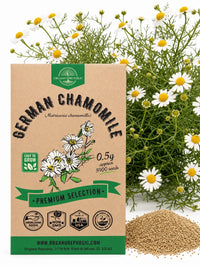
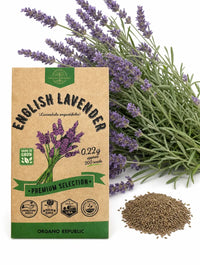
If you love echinacea, explore its fellow traditional garden herbs. Try chamomile for gentle, daisy-like blooms, yarrow for another hardy perennial that pollinators flock to, or lavender for fragrant, sun-loving companions. Explore the full range in our herb seeds collection.
Why buy echinacea seeds from Organo Republic
Every packet of echinacea seed we sell is non-GMO, open-pollinated heirloom, and germination tested, so you can sow with confidence. As a U.S. family business, we work directly with trusted growers to keep quality high and prices low, and every pack carries a QR code that links straight to free online growing guidance. Orders over $49 ship free. Whether you want a single pack of echinacea or a curated herb collection, you will find dependable, easy-to-grow seed here.