



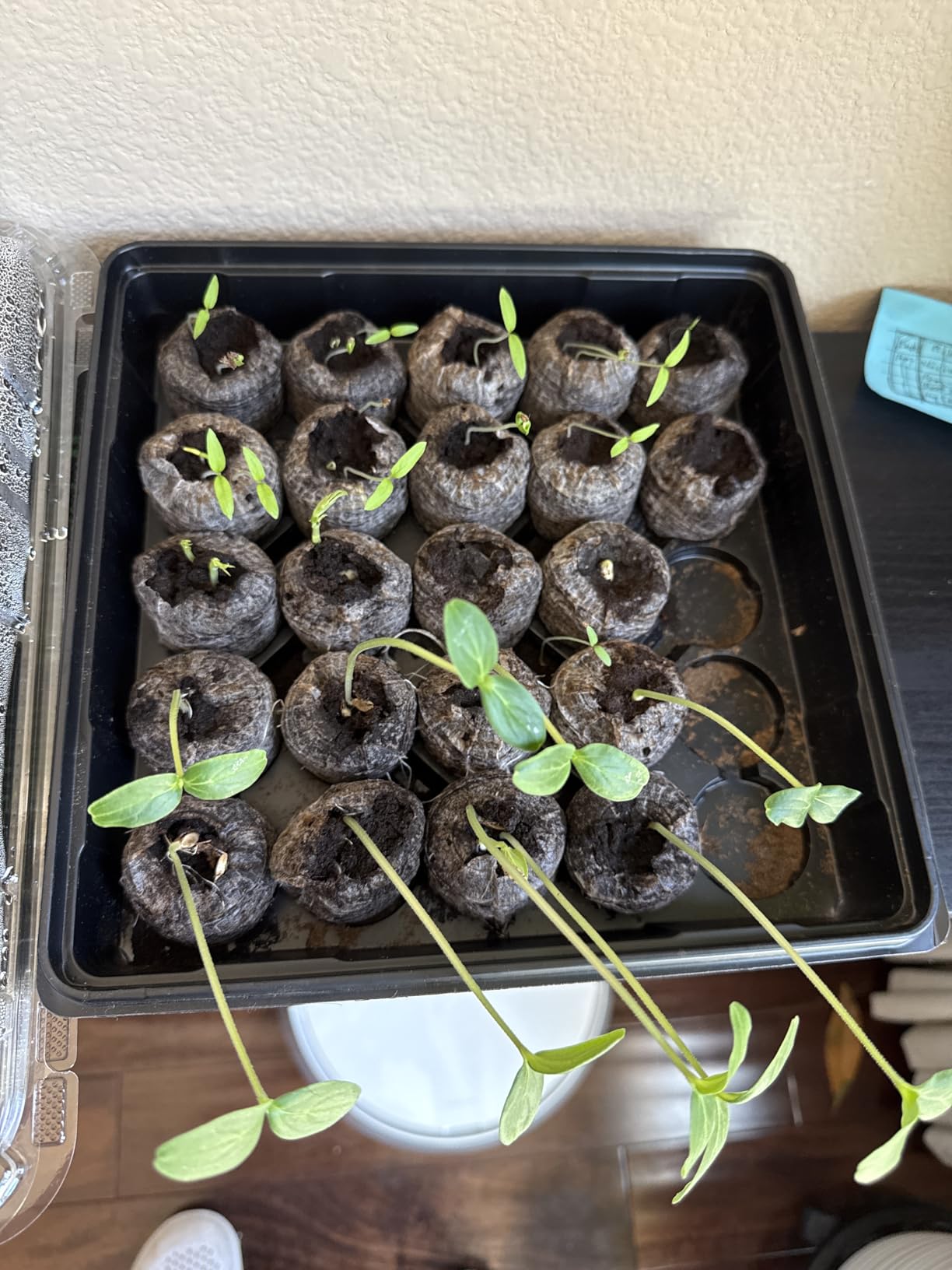
 Highly rated by customers for: germination rate














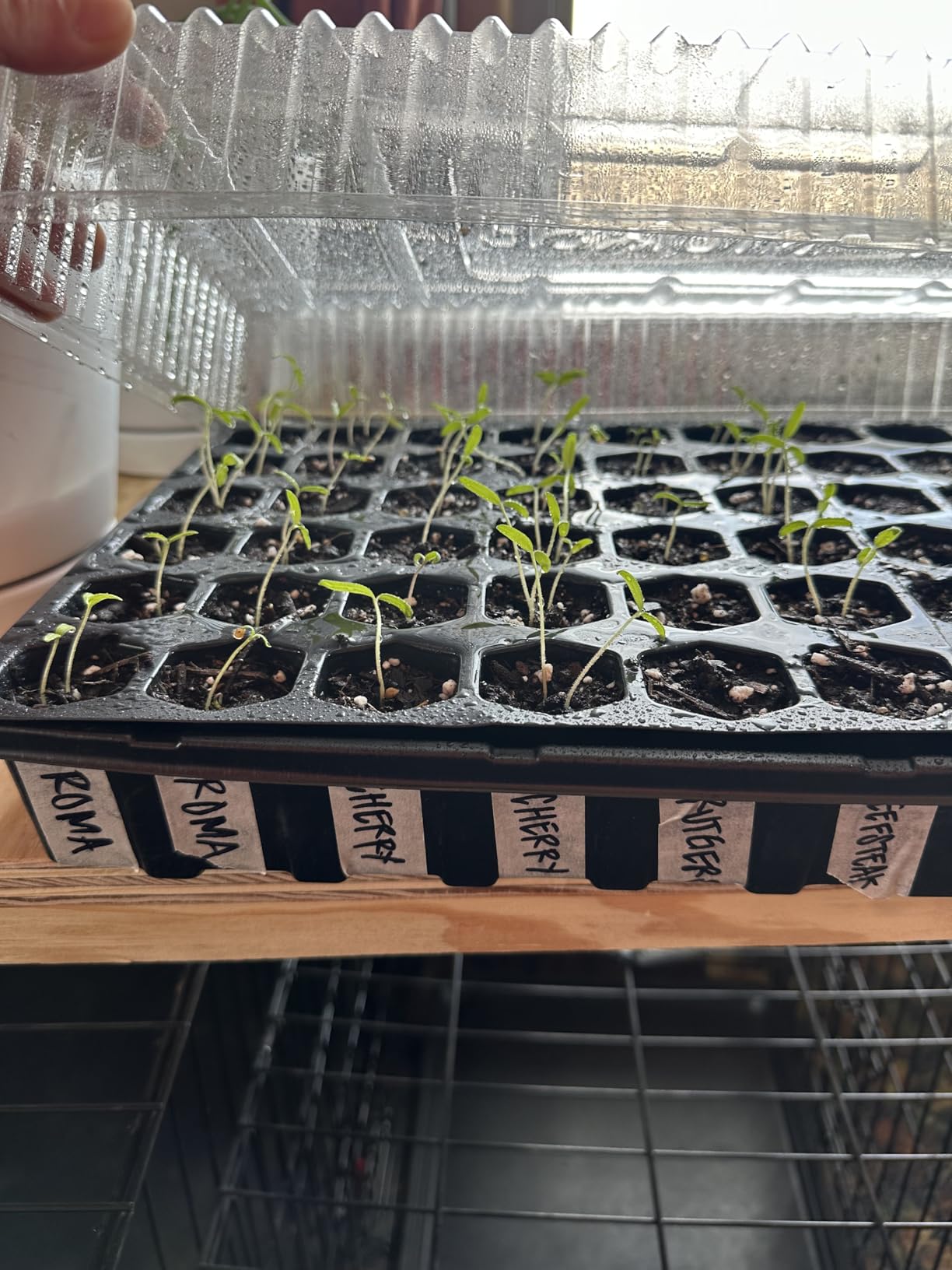
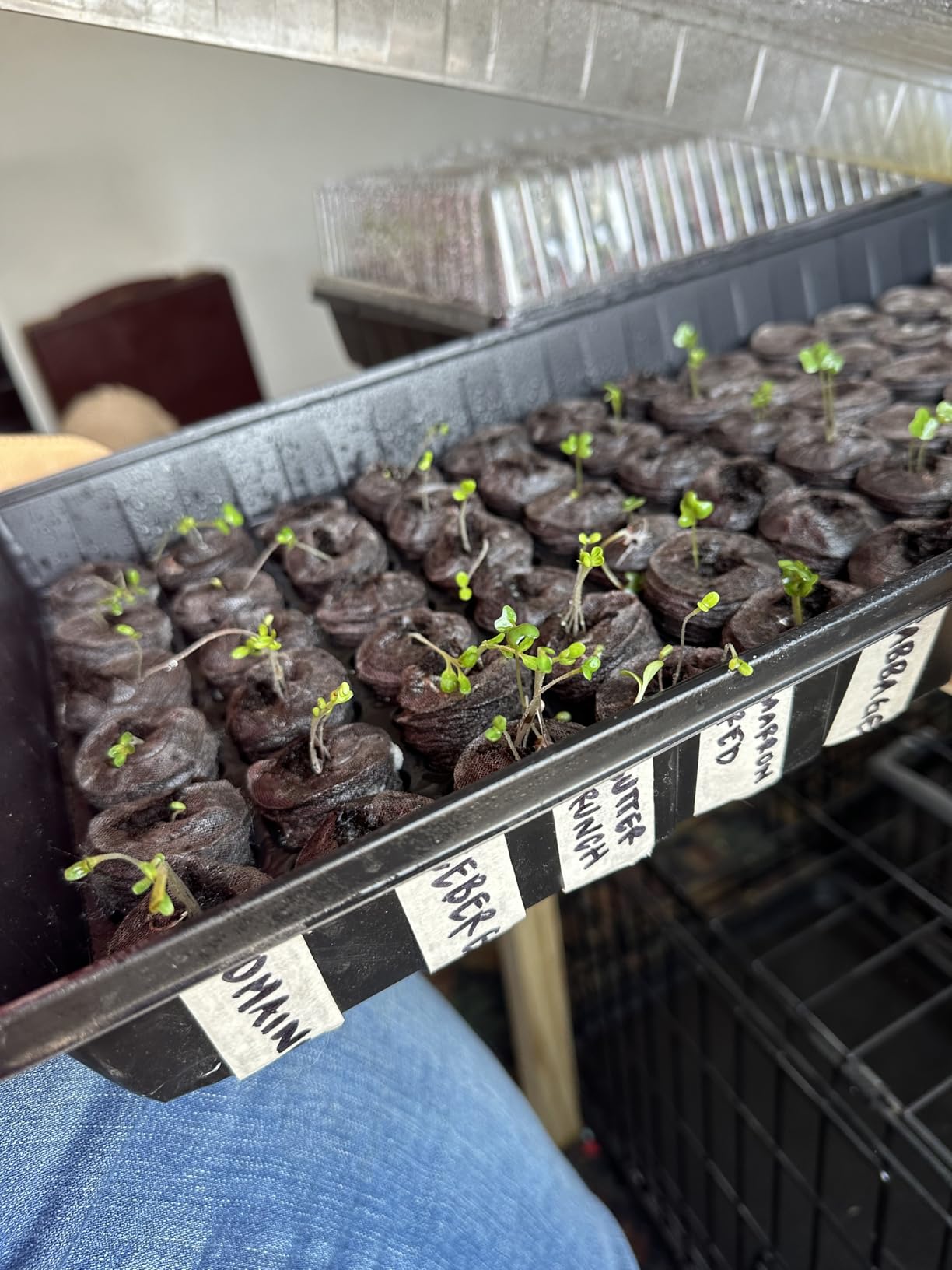
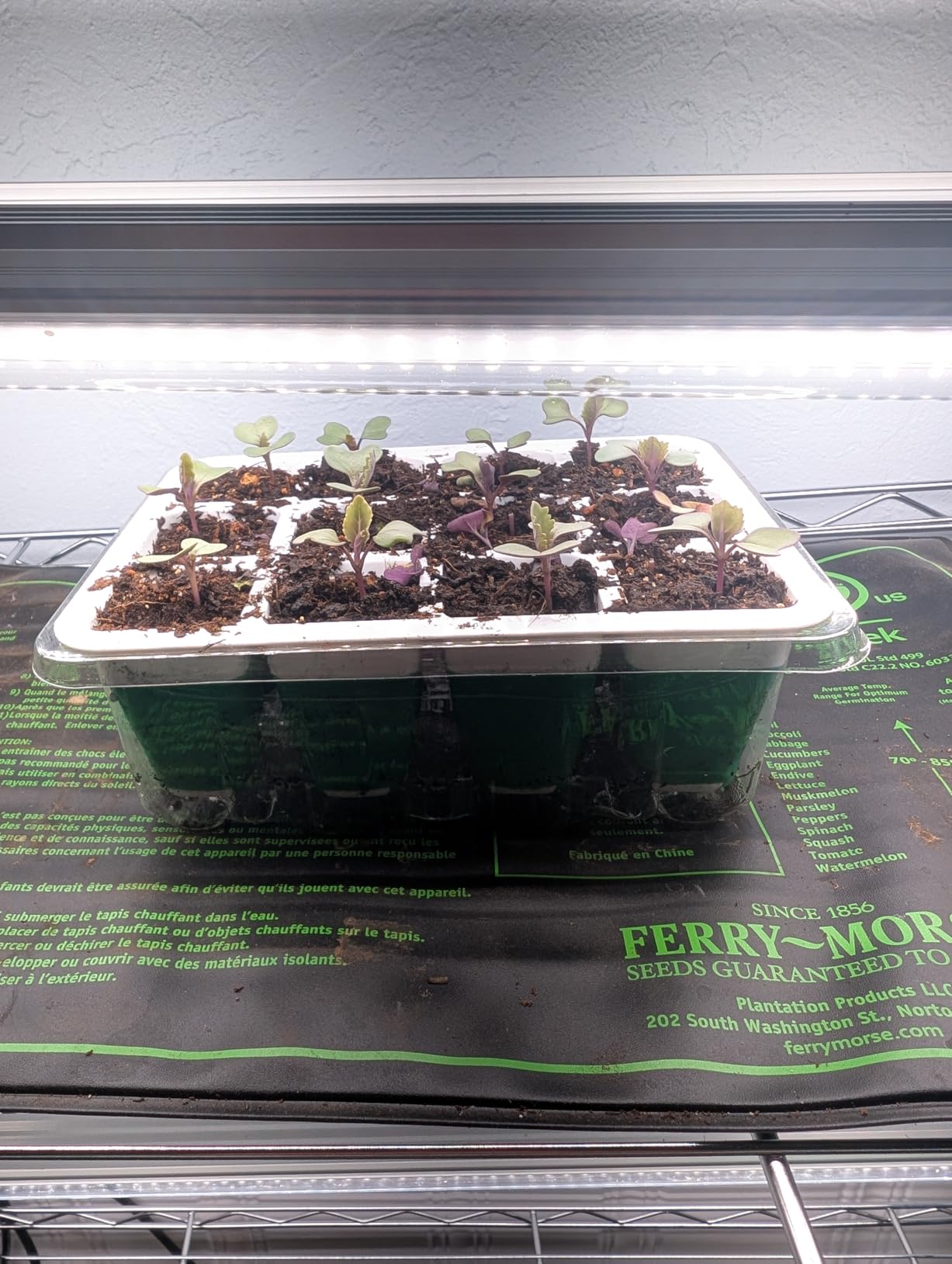
How many vegetable varieties are in this pack?
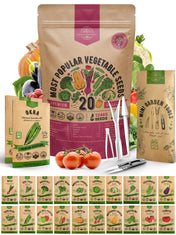
This pack includes 20 popular vegetable varieties such as tomato, beet, celery, cabbage, pepper, and more, giving you a well-rounded starter garden in a single set.
About how many seeds come in the set?
The pack contains roughly 1,300 seeds across the 20 varieties, plenty to plant a full home vegetable garden with extras to spare.
Is this pack good for a first-time vegetable gardener?
Yes. It brings together everyday, familiar vegetables in clearly labeled packets, so beginners can plant a complete garden without buying seeds one variety at a time.
Can I sow all 20 vegetables at once?
It is better to stagger them by season. Cool-season crops like cabbage and beets go in early, while warm-season crops like tomato and pepper wait until after the last frost.
Are these vegetable seeds heirloom and non-GMO?
Yes. All 20 varieties are non-GMO and open-pollinated, so you can save seeds from your harvest to replant next year.
Does this pack make a good gift?
Yes. With 20 labeled varieties and a wide vegetable selection, it is a popular gift for gardeners, new homeowners, and anyone starting a vegetable garden.
Which vegetables are included?
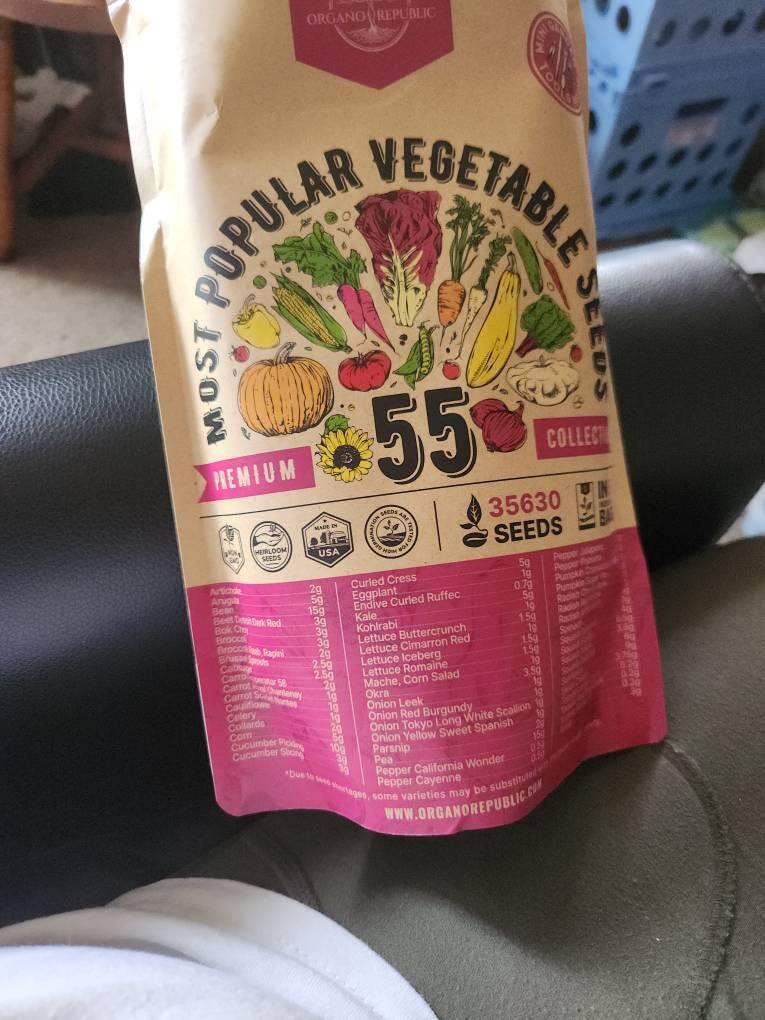
It depends on the set size you pick (20, 25, 40, or 55 varieties). The full list is shown on this page and includes tomatoes, peppers, carrots, lettuce, beans, kale, and more.
How long do the seeds last?
Stored cool, dry, and sealed in the resealable bag, the seeds stay viable for a couple of years or more, with the best germination in the first year or two.
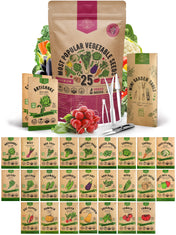
What varieties does this popular vegetable pack include?
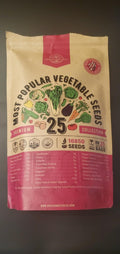
It brings together 25 of the most popular home-garden vegetables, covering the staples most gardeners want in a single kit.
Is this a good pack for someone starting their first garden?
Yes, the 25 crowd-favorite varieties are chosen for reliability and broad appeal, making it a strong all-in-one starter for new gardeners.
Should I start these indoors or direct sow?
Warm-season crops like tomatoes and peppers do best started indoors before the last frost, while beans, carrots, and greens can be sown straight into the garden.
Can I grow any of these in containers?
Several of the compact and leafy varieties grow well in pots, while larger vegetables prefer garden beds with room to spread.
Are these vegetables heirloom and non-GMO?
Yes, all 25 varieties are non-GMO heirloom-type seeds, so you can save seeds from your harvest for future planting.
Would this pack make a good gift?
Yes, its mix of 25 well-known vegetables makes it a practical and welcome gift for gardeners at any level.
Which vegetables are included?
It depends on the set size you pick (20, 25, 40, or 55 varieties). The full list is shown on this page and includes tomatoes, peppers, carrots, lettuce, beans, kale, and more.
How long do the seeds last?
Stored cool, dry, and sealed in the resealable bag, the seeds stay viable for a couple of years or more, with the best germination in the first year or two.
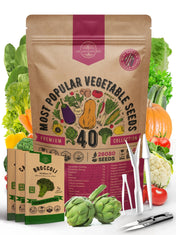
What is included in the 40 vegetable seeds variety pack?
You get 40 different vegetable varieties totaling around 7,400 non-GMO heirloom seeds, covering a broad range of everyday garden crops.
How many total seeds come in this set?
There are approximately 7,400 seeds spread across the 40 varieties, which is plenty for a full home garden with seeds left over to save or share.
Can I grow these indoors and outdoors?
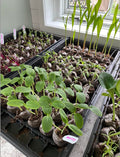
Yes. Many of the 40 varieties can be started indoors in trays and transplanted out, while others are sown directly in the garden bed. Follow each packet's guidance for the best timing.
Are these seeds heirloom and non-GMO?
Yes, all 40 varieties are open-pollinated heirloom and non-GMO, so seeds saved from your harvest will grow true to type.
How should I store the seeds I do not plant right away?
Keep the packets in a cool, dry, dark place. Stored properly, these vegetable seeds stay viable for several years, so you can plant a portion now and save the rest.
Is 40 varieties too much for a small garden?
Not at all. You can plant just a pinch from each packet and save the rest for future seasons, so the 40-variety pack works well even for compact beds or container gardens.
Which vegetables are included?
It depends on the set size you pick (20, 25, 40, or 55 varieties). The full list is shown on this page and includes tomatoes, peppers, carrots, lettuce, beans, kale, and more.
How long do the seeds last?
Stored cool, dry, and sealed in the resealable bag, the seeds stay viable for a couple of years or more, with the best germination in the first year or two.
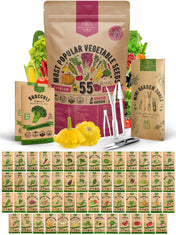
How many vegetable varieties are in this pack?
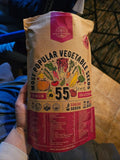
This set includes 55 distinct vegetable varieties, roughly 11,500 non-GMO heirloom seeds in total, giving you an entire garden's worth of crops in one box.
Is this a good pack for a beginner gardener?
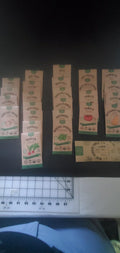
Yes. With 55 clearly labeled varieties and a wide mix of easy and classic crops, it is a great way for a first-time grower to try many vegetables without buying dozens of separate packets.
Do I sow all 55 varieties at the same time?
No, sow according to each variety's season. Cool-season crops like lettuce and peas go in early, while warm-season crops like tomatoes and peppers wait until after your last frost. Staggering planting also spreads out your harvest.
Are the seeds heirloom and non-GMO?
Yes. Every variety in the 55-pack is open-pollinated heirloom and non-GMO, so you can save seeds from your best plants to replant next season.
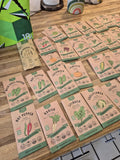
How are the packets organized in the box?
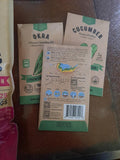
Each of the 55 varieties comes in its own labeled packet, so they stay separate and easy to identify when you are ready to plant.
Does this pack make a good gift?
Absolutely. The 55-variety assortment arrives in a tidy box and makes a generous, practical gift for anyone who enjoys gardening, cooking, or growing their own food.
Which vegetables are included?
It depends on the set size you pick (20, 25, 40, or 55 varieties). The full list is shown on this page and includes tomatoes, peppers, carrots, lettuce, beans, kale, and more.
How long do the seeds last?
Stored cool, dry, and sealed in the resealable bag, the seeds stay viable for a couple of years or more, with the best germination in the first year or two.









 Easy Returns 30-day guarantee