


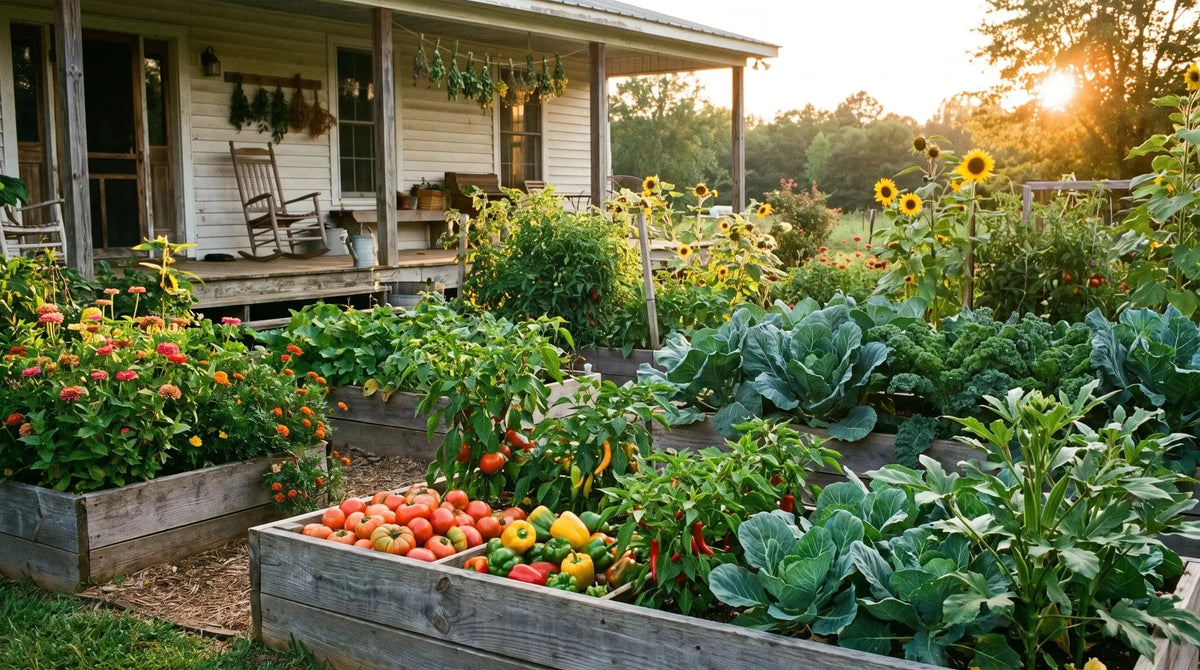
Zone 8 Planting Calendar: What to Plant and When
Updated August 2026
In Zone 8 the thing that limits you is not frost, it is summer heat. Winter lows bottom out around 10°F to 20°F, the last spring frost is usually behind you by mid to late March, and the first fall frost holds off until early or mid November, so you are working with well over 200 frost-free days and closer to 260 in the milder 8b half. The real job is getting spring crops sized up and picked before July and August cook them, then coming back in late summer for a fall crop that often turns out better than the spring one. This Zone 8 planting calendar sets out the timing for both halves of that year, month by month.
Zone 8 at a glance
- Average last spring frost: mid to late March
- Average first fall frost: mid November
- Typical growing season: about 240 to 260 frost-free days
- Coldest winter lows: 10°F to 20°F (USDA Zone 8)
- Growing seasons: two, a spring season and a fall season
These are typical ranges for continental Zone 8. Frost dates vary a lot within the zone depending on your exact location, elevation, and whether you are near the coast. For your precise local dates, enter your ZIP code in our interactive planting calendar.

Zone 8 planting calendar
Use this month-by-month schedule as your Zone 8 planting calendar. Because Zone 8 has both a spring and a fall growing season, you will notice cool crops appear twice: once in late winter and again in late summer for a fall harvest. Start indoors dates give warm crops a head start; direct sow and transplant dates assume your soil has warmed and frost has passed.
Zone 8 planting schedule at a glance
The Zone 8 planting schedule runs on two engines. From late December through February you start seeds indoors for the long-season warm crops, tomatoes, peppers, eggplant, and onions, while peas, spinach, and radish go straight into the ground under a little cover. Transplants move out once the March frost date passes, and the main summer harvest runs from June into September, with okra and southern peas carrying the hottest weeks. Fall sowing starts in July and August, well before the weather feels like fall, and that is what gives Zone 8 gardeners greens and roots to cut all winter.
| Month | Start indoors | Transplant / plant out | Direct sow outdoors | Harvest |
|---|---|---|---|---|
| January | Tomatoes, peppers, eggplant, onions, celery | · | Peas, spinach, radish under cover | Kale, collards, carrots, leeks |
| February | Tomatoes, peppers, broccoli, cabbage, lettuce | Onion sets, broccoli, cabbage | Peas, radish, spinach, arugula, carrots | Spinach, kale, overwintered greens |
| March | Cucumbers, squash, melons, basil | Broccoli, cabbage, lettuce, kale, potatoes | Beets, carrots, radish, chard, peas | Lettuce, radish, spinach, peas |
| April | Okra, sweet potato slips, late basil | Tomatoes, peppers, eggplant, cucumbers | Beans, corn, squash, cucumbers, melons | Lettuce, peas, radish, broccoli, chard |
| May | · | Sweet potatoes, peppers, eggplant, melons | Beans, corn, okra, squash, cucumbers, southern peas | Spring lettuce, peas, beets, carrots, cabbage |
| June | · | Late peppers, sweet potatoes | Southern peas, okra, heat-tolerant beans, corn | Squash, cucumbers, early tomatoes, beans |
| July | Broccoli, cabbage, cauliflower for fall | · | Okra, southern peas, late corn, pumpkins | Tomatoes, peppers, squash, cucumbers, beans |
| August | Lettuce, kale, chard for fall | Broccoli, cabbage, cauliflower for fall | Beans, carrots, beets, turnips for fall | Tomatoes, peppers, okra, melons |
| September | · | Broccoli, cabbage, kale, lettuce, collards | Spinach, radish, carrots, beets, peas, mustard | Late tomatoes, peppers, southern peas, okra |
| October | · | Garlic, lettuce, cabbage transplants | Spinach, radish, arugula, kale, turnips, peas | Fall broccoli, greens, radish, beans |
| November | · | Garlic, onion sets | Spinach, radish, hardy greens under cover | Broccoli, cauliflower, lettuce, carrots, kale |
| December | Onions, early tomatoes (indoors, warm) | · | Garlic, spinach under cover | Kale, collards, carrots, leeks, cabbage |
Cool crops such as lettuce, spinach, peas, and brassicas do best in the shoulders of the year, spring and fall, while heat lovers such as okra, southern peas, sweet potatoes, and peppers carry the hot summer months. For exact sowing windows tuned to your address, cross-check this schedule against your local frost dates using the ZIP code planting calendar.
The best crops for Zone 8
Zone 8 is generous enough to grow almost anything, but the standout Zone 8 vegetables are the ones that make the most of both the long warm season and the mild winters. Here are the crops worth building your garden around.
Warm-season vegetables
The long summer suits heat lovers. Grow tomatoes, peppers, okra, southern peas, sweet potatoes, squash, and cucumbers. In Zone 8 you start seeds indoors for tomatoes and peppers about 6 to 8 weeks before your last frost, which in practice means January into February, so the transplants are hardened off and ready to go out once the March frost date passes. Getting them in the ground that early is what lets them set fruit before the midsummer heat shuts pollination down. Eggplant and melons follow the same timing and take the heat in stride.
Cool-season greens and roots
Zone 8 winters are mild enough that greens and roots keep going right through the cold months, and the fall sowing is the one most gardeners underrate. Plant kale, lettuce, spinach, collards, radish, carrots, and peas in both spring and fall. Beets and broccoli go in alongside them. Many of these overwinter and give you salads and roots to pull in January, and the fall crop usually comes out better than the spring one because it matures into cooling weather instead of racing the heat.
Beans and quick crops
Snap and pole beans flourish in late spring and again in late summer, and fast radishes and greens fill in the gaps between longer crops.
Herbs and flowers
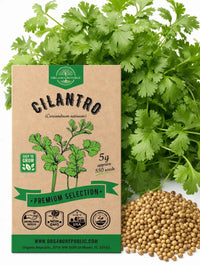
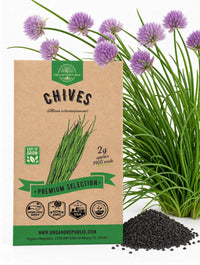
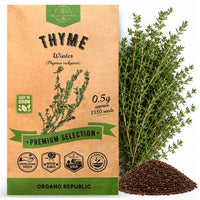
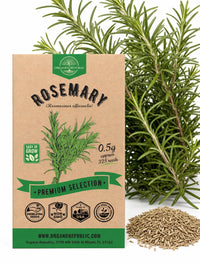
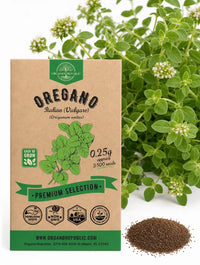
Rosemary, thyme, oregano, and basil take the Zone 8 heat without complaint, and the woody perennial herbs usually come through winter outdoors here. For the annual herbs it pays to start seeds indoors in February and set them out with the tomatoes. Round out the garden with culinary herbs, and browse the full range of vegetable seeds to build your Zone 8 planting plan.
When are the frost dates in Zone 8?
Frost dates are the two turning points every Zone 8 gardener plans around. The average last spring frost falls around mid to late March, which is your green light to plant warm crops outdoors. The average first fall frost arrives around mid November, which marks when tender crops need to be harvested or protected. The stretch between those two dates, about 240 to 260 days, is your frost-free growing window, and it is one of the longest in the country.
Here is the important part: these are typical, zone-wide averages. Your actual frost dates depend on your exact location, elevation, and how close you are to the coast, and they can shift by two or three weeks. Do not guess. Enter your ZIP code in our interactive planting calendar to get the exact average last and first frost dates for your specific spot, then use those dates to fine-tune the calendar above.
Zone 8a vs 8b: last and first frost dates
Zone 8 is split into two half-zones, 8a and 8b, and they sit about 5°F apart on winter lows. That small gap moves the frost dates by a couple of weeks on each end of the year. Zone 8b is the milder half: it warms up sooner in spring, holds off frost longer in fall, and ends up with a noticeably longer season than 8a.
Treat the numbers below as zone-wide averages, not a promise. Elevation, distance from the coast, and even a sheltered south-facing yard can shift your real dates by two or three weeks in either direction, so pair these with your local ZIP code dates before you commit a tray of transplants.
| Subzone | Average last spring frost | Average first fall frost | Growing season |
|---|---|---|---|
| Zone 8a | mid to late March (about March 20 to 31) | early to mid November (about Nov 5 to 15) | about 220 to 240 days |
| Zone 8b | early to mid March (about March 10 to 20) | mid to late November (about Nov 15 to 30) | about 245 to 265 days |
What does USDA Zone 8 mean?
USDA Plant Hardiness Zone 8 describes the average annual coldest winter temperature in your area, which for Zone 8 runs between 10°F and 20°F. The USDA splits it further into Zone 8a (10 to 15°F) and Zone 8b (15 to 20°F). This number tells you how much winter cold your perennials, shrubs, and trees can survive, so it is the figure to check when you buy a perennial rated for a certain zone.
One common mix-up: your hardiness zone is about winter lows, not frost dates. It tells you what will survive the winter, but not exactly when your last spring or first fall frost lands. For planting timing, always pair your zone with your local frost dates from the ZIP tool.
Find your exact zone
Zone 8 sits right in the middle of the hardiness scale, with slightly cooler neighbors on one side and warmer ones on the other. If your winters run colder than the lows above, you may be in Zone 7. If they run milder and nearly frost-free, check the Zone 9 planting calendar. Matching your true zone to your local frost dates is the surest way to plant at exactly the right time.
The best companion plants
Frequently asked questions
What can I plant in Zone 8 right now?
It depends on the season. In late winter and early spring (roughly February to April), start tomatoes and peppers indoors and direct sow peas, radish, spinach, lettuce, carrots, and beets. In late spring through summer, plant heat lovers like beans, okra, southern peas, squash, cucumbers, and sweet potatoes. In late summer and fall (August to October), plant a second round of cool crops: broccoli, cabbage, kale, lettuce, spinach, and root vegetables. Enter your ZIP code in our planting calendar at /pages/planting-calendar for exact timing where you live.
When is the last frost in Zone 8?
The average last spring frost in Zone 8 falls around mid to late March. That is the point when it is generally safe to plant warm-season crops like tomatoes, peppers, and beans outdoors. Because this is a zone-wide average, your local date can shift by two or three weeks. Check your exact last frost date by entering your ZIP code in our interactive planting calendar at /pages/planting-calendar.
What vegetables grow best in Zone 8?
Zone 8 grows almost everything thanks to its long season and mild winters. Warm-season standouts include tomatoes, peppers, okra, southern peas, sweet potatoes, squash, cucumbers, and beans. Cool-season crops that thrive in spring and fall include lettuce, spinach, kale, collards, broccoli, cabbage, carrots, radish, and peas, and many of these overwinter for fresh winter salads.
How long is the growing season in Zone 8?
Zone 8 has a long frost-free growing season of roughly 240 to 260 days, running from a last frost around mid to late March to a first frost around mid November. In practice it gives you two growing seasons: a spring and summer season for warm crops, and a fall and winter season for cool crops. For your exact frost-free window, use the ZIP code planting calendar at /pages/planting-calendar.
When should I start seeds indoors in Zone 8?
In Zone 8, start warm-season crops like tomatoes, peppers, and eggplant indoors in January and February, about 6 to 8 weeks before your last frost around mid to late March. Start cucumbers, squash, and melons indoors in March if you want a head start. For fall, start broccoli, cabbage, and cauliflower indoors in July. Look up your exact last frost date at /pages/planting-calendar and count back from there.
Sale

Vegetable Seeds Variety PackBest for Zone 855 heirloom, non-GMO vegetable varieties for both your spring and fall plantings
Price$21.99Starting at$17.99

- Choosing a selection results in a full page refresh.









 Easy Returns 30-day guarantee