


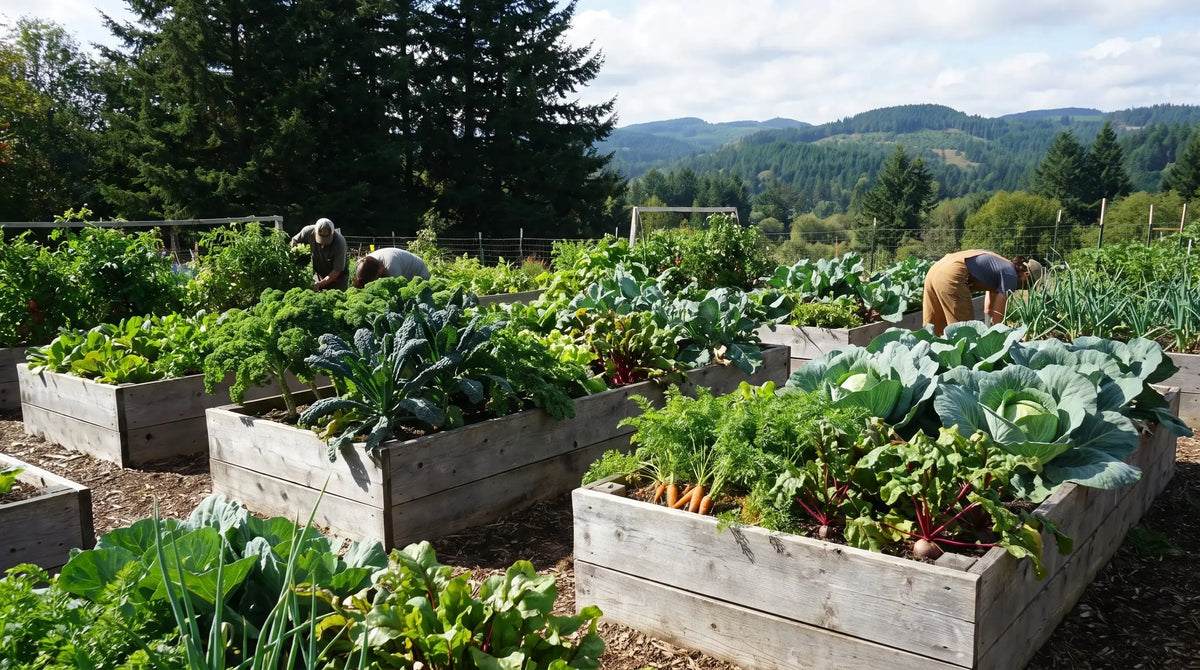
Zone 3 Planting Calendar: What to Plant and When
Updated July 2026
Winter lows of -40 to -30F and a growing season that often runs only 90 to 120 days put Zone 3 near the cold edge of what is possible in the continental United States. Gardeners here work with a narrow window: the ground stays frozen well into spring, the last frost can hold off until early June, and the first fall frost can arrive in early September. That is still enough season for a real harvest, as long as the warm-season crops are already several weeks old in a tray by the time the soil is ready. This Zone 3 planting calendar lays out the whole year month by month, so nothing waits on the windowsill a week too long.
Zone 3 at a glance
- Average last spring frost: around late May to early June
- Average first fall frost: around early to mid September
- Typical growing season: 90 to 120 days
- Coldest winter low (USDA): -40 to -30F
These are typical ranges for Zone 3. Frost dates vary a lot within a single zone depending on your elevation, local weather, and microclimate, so treat them as a starting point and confirm your exact dates with our planting calendar tool.

Zone 3 planting calendar
Use this month-by-month Zone 3 planting schedule as your season map. It shows when to start seeds indoors, when to move transplants outside, what you can direct sow, and what should be ready to harvest. Dates shift with the weather each year, so pair it with your local last and first frost dates from the ZIP code planting calendar.
Zone 3 planting schedule at a glance
The Zone 3 year runs like this. From late January through March you start seeds indoors under lights, beginning with onions, leeks, and celery and moving on to peppers, cabbage, and tomatoes. Direct sowing of peas, spinach, and radish begins as soon as the soil is workable, usually in April, and tender crops only go out after the last frost passes in late May or early June. The main harvest runs from July through September, and the fall sowings of spinach, lettuce, and arugula go in during August, with garlic and cover crop following in September and October.
| Month | Start indoors | Transplant / plant out | Direct sow outdoors | Harvest |
|---|---|---|---|---|
| January | Onions, leeks, celery | - | - | Stored roots, indoor microgreens |
| February | Peppers, celery, cabbage, broccoli | - | - | Indoor herbs and microgreens |
| March | Tomatoes, eggplant, cabbage, kale, lettuce | - | - | Overwintered greens under cover |
| April | Squash, cucumbers, melons | Cold-hardy onion and leek starts | Peas, spinach, radish (once soil is workable) | First spinach and radish |
| May | Fast fall brassicas late month | Broccoli, cabbage, kale, lettuce, onions after mid-month | Carrots, beets, chard, more peas and lettuce | Early lettuce, spinach, radish |
| June | - | Tomatoes, peppers, squash, cucumbers after last frost | Beans, corn, zucchini, pumpkins, dill | Lettuce, radish, green onions, peas |
| July | Fall lettuce and kale | Last succession lettuce | Fall carrots, beets, bush beans, more lettuce | Peas, summer squash, beans, herbs |
| August | - | - | Spinach, lettuce, radish, arugula for fall | Tomatoes, beans, cucumbers, zucchini, herbs |
| September | - | - | Garlic late month, cover-crop rye | Kale, carrots, beets, cabbage, potatoes |
| October | - | - | Garlic, plant spring wildflower seed | Last hardy greens, root crops before frost |
| November | Indoor herbs, microgreens | - | - | Stored roots, indoor greens |
| December | Indoor microgreens | - | - | Indoor herbs and microgreens |
A dash means there is little to plant or harvest that month in Zone 3. Cold months are for planning, ordering seed, and starting the earliest crops indoors under lights.
The best crops for Zone 3
The most reliable Zone 3 vegetables are cold-hardy and quick to mature, the kind that handle a short, cool season and even shrug off a light frost. Lean on these and you will fill your beds with far less risk:
Vegetables
- Leafy greens and lettuce. Lettuce, spinach, and kale are fast, frost-tolerant, and happy in the cool ends of the season. Browse lettuce seeds, spinach seeds, and kale seeds.
- Root crops. Carrots, beets, and radishes mature quickly and store well. See carrot seeds, beet seeds, and radish seeds.
- Peas and beans. Peas love the cool shoulder seasons, and bush beans give a fast summer crop. Try pea seeds and bean seeds.
- Brassicas. Broccoli, cabbage, and their cousins thrive in the cool weather this zone does best. Explore broccoli seeds and cabbage seeds.
- Warm-season crops, started early. Tomatoes and peppers ripen in Zone 3 if you start seeds indoors 6 to 8 weeks before the last frost and choose shorter-season varieties. See tomato seeds and pepper seeds.
Herbs and flowers
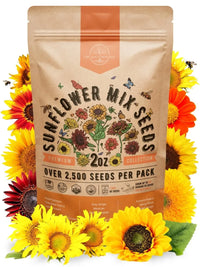
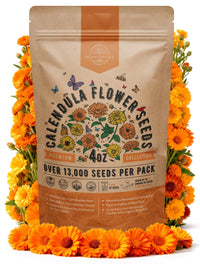
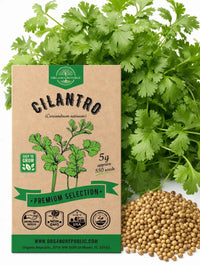
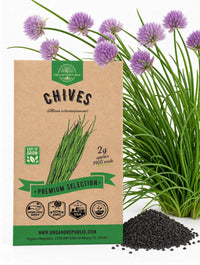
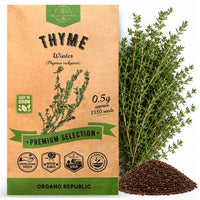
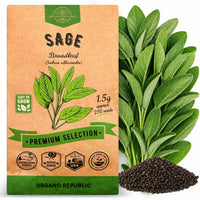
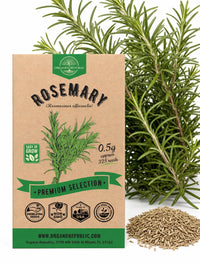
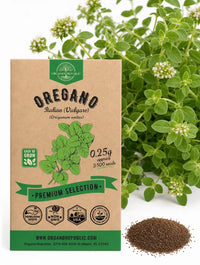
Hardy herbs like chives, dill, parsley, and cilantro do well in Zone 3, and cheerful cold-tolerant flowers such as calendula, nasturtium, and sunflowers add color and pull in pollinators. Start with our herb seeds, and for the full range see all of our vegetable seeds.
When are the frost dates in Zone 3?
Your last spring frost is the average date of the final freeze before summer, and your first fall frost is the average date of the first freeze after it. In Zone 3 the last frost typically falls around late May to early June and the first fall frost around early to mid September, leaving a growing season of about 90 to 120 days. Those two dates drive everything: you start most warm-season seeds indoors weeks before the last frost, plant tender crops out only after it, and count backward from the first fall frost to know how late you can sow.
These are averages for the whole zone, and your yard can run a week or two earlier or later. For the exact last and first frost dates at your location, enter your ZIP code in our interactive planting calendar and plan your Zone 3 garden around your real local dates.
Zone 3a vs 3b: last and first frost dates
Zone 3 is split into two half-zones that sit about 5F apart. Zone 3a is the colder half, Zone 3b the milder one, and that small difference in winter low tracks a real difference in the season: a 3b gardener is typically a week or two ahead of a 3a gardener in spring and hangs on a week or two longer in fall. Both halves fall inside the zone-wide window of around late May to early June for the last frost and around early to mid September for the first one, but they sit at opposite ends of it.
In practice that means 3a gardeners plan for the short end of the range and lean harder on transplants, while 3b gardeners can direct sow a little earlier and still finish a longer-season crop. Either way you start seeds indoors on the same principle, counting backward from your own last frost rather than the zone average. Elevation, a nearby lake, a sheltered south wall, or a low frost-pocket in the yard will move these dates by weeks, so treat the table below as the starting point and confirm your local dates with the ZIP code planting calendar.
| Subzone | Average last spring frost | Average first fall frost | Growing season |
|---|---|---|---|
| Zone 3a | Late May to early June (about May 25 to June 5) | Early September (about Sept 1 to 10) | About 90 to 105 days |
| Zone 3b | Mid to late May (about May 15 to 25) | Mid September (about Sept 10 to 20) | About 105 to 125 days |
What does USDA Zone 3 mean?
USDA Plant Hardiness Zones are based on the average annual coldest winter temperature. Zone 3 means your average extreme winter low lands between -40 to -30F. That number tells you which perennials, shrubs, and trees can survive the winter in the ground, so it is a measure of winter hardiness, not frost dates or season length. When a plant is labeled hardy to Zone 3, it means the plant can normally live through a Zone 3 winter. For annual vegetables you plant fresh each spring, your frost dates and season length matter more than the hardiness number, which is why this calendar leans on both.
Not sure this is your zone? If your winters are colder, see our Zone 2b planting calendar. If they are milder, check the Zone 4 planting calendar. And for your exact dates, always confirm with the ZIP code planting calendar.
The best companion plants
Frequently asked questions
What can I plant in Zone 3 right now?
It depends on the season. In late winter, start onions, peppers, tomatoes, and brassicas indoors under lights. In early spring, once the soil is workable, direct sow peas, spinach, radishes, and carrots. After your last frost (around mid-May in Zone 3), plant tomatoes, peppers, beans, squash, and cucumbers. In mid to late summer, sow spinach, lettuce, kale, and radishes for a fall harvest. Enter your ZIP code in our planting calendar tool at /pages/planting-calendar for the exact timing at your location.
When is the last frost in Zone 3?
The average last spring frost in Zone 3 is around mid-May, and the first fall frost is around mid-September, giving a typical growing season of about 90 to 120 days. These are zone-wide averages and your yard may run a week or two earlier or later, so check your exact last and first frost dates by ZIP code at /pages/planting-calendar before you plant tender crops.
What vegetables grow best in Zone 3?
Cold-hardy, quick-maturing crops do best in Zone 3: lettuce and salad greens, spinach, kale, carrots, beets, radishes, peas, bush beans, broccoli, and cabbage all thrive in the cool weather. Warm-season crops like tomatoes and peppers also succeed if you start them indoors early and choose shorter-season varieties. Focus on hardiness and days to maturity and you will fill your beds with far less risk.
How long is the growing season in Zone 3?
Zone 3 has a typical frost-free growing season of about 90 to 120 days, running from the average last spring frost around mid-May to the first fall frost around mid-September. Because the season is on the shorter side, timing matters: start warm crops indoors early and choose fast-maturing varieties. Your exact season length depends on your local frost dates, which you can look up by ZIP code at /pages/planting-calendar.
When should I start seeds indoors in Zone 3?
Count backward from your last frost date (around mid-May in Zone 3). Start slow crops like onions, celery, and peppers about 8 to 10 weeks before, and tomatoes, eggplant, and brassicas about 6 to 8 weeks before. That usually means starting seeds indoors under lights from late winter into early spring. For dates tuned to your exact location, use the ZIP code planting calendar at /pages/planting-calendar.

- Choosing a selection results in a full page refresh.









 Easy Returns 30-day guarantee