


How to Grow Johnny Jump-Ups From Seed
Updated July 2026
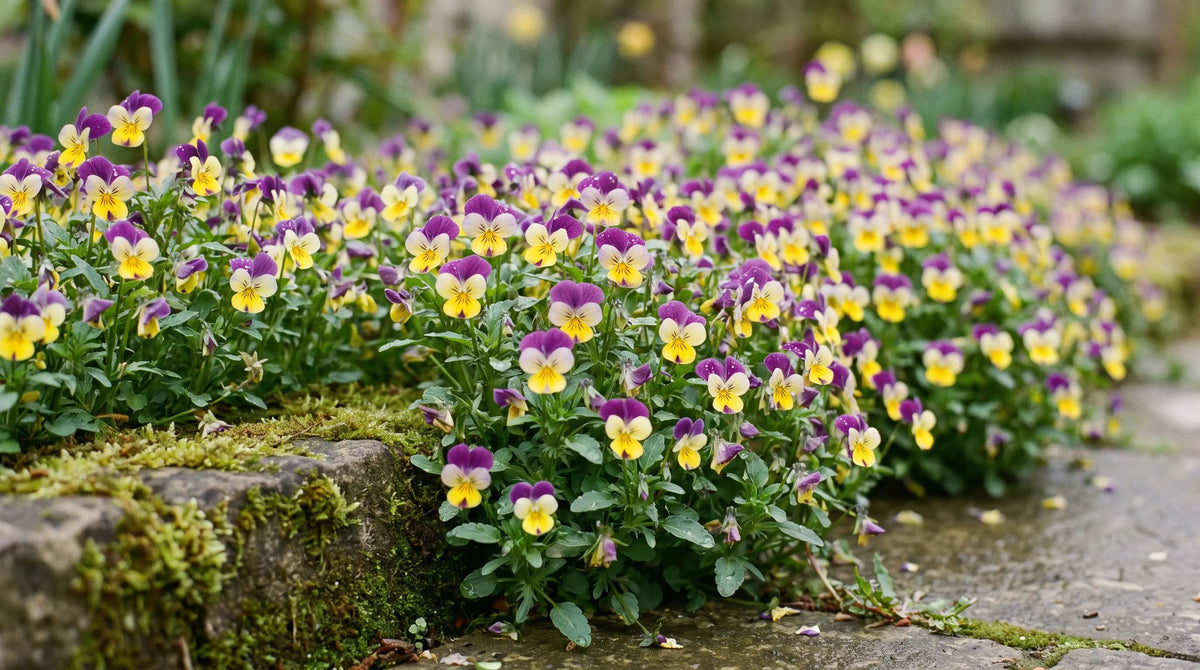
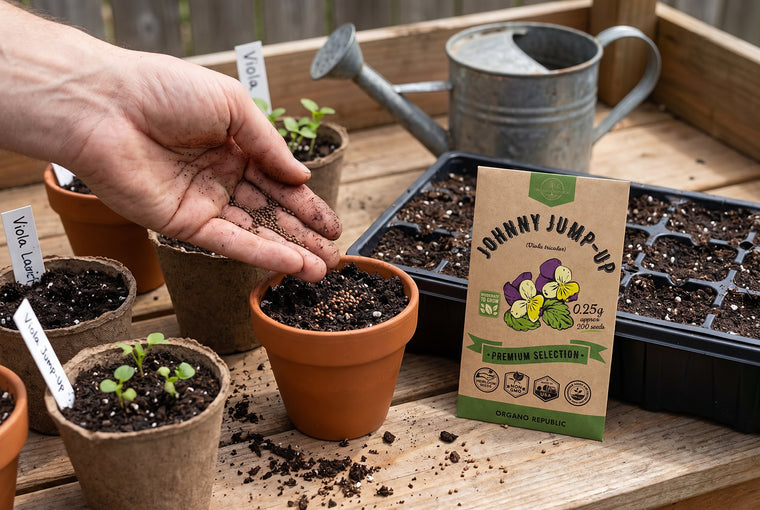
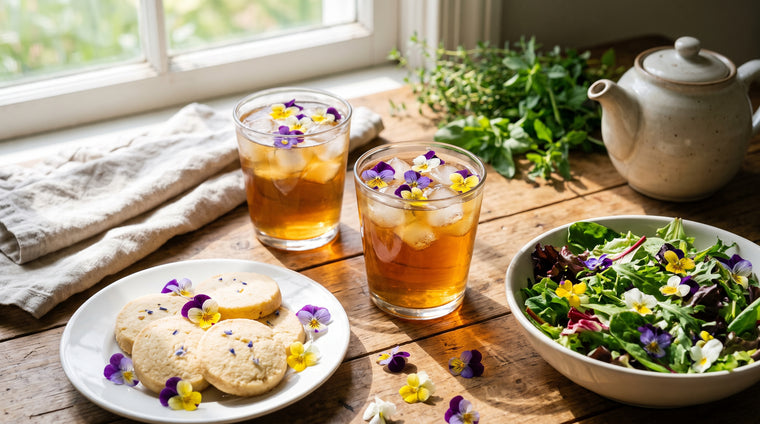
Johnny Jump-Ups (Viola tricolor) are the tiny, tricolor violas whose purple, yellow, and cream faces seem to smile up from the garden. Also called heartsease and wild pansy, they are hardier and more free-spirited than their big pansy cousins, blooming in cool weather, drawing early bees, and self-sowing into cheerful drifts that come back on their own. The flowers are edible, too. One thing to know at sowing time: like pansies, their seed needs darkness to germinate, so you cover it. Here is how to grow Johnny Jump-Ups from seed.
Love flowers you can eat? Our edible flower seeds variety pack brings several edible blooms together in one pack.
Growing a specific variety?
Johnny jump-up varieties: Helen Mount
Best tip
At a glance
 Botanical name Botanical name | Viola tricolor |
|---|---|
 Plant type Plant type | Short-lived perennial, often grown as an annual |
 USDA zones USDA zones | 3 to 9 |
 Sun Sun | Full sun to part shade |
 Days to maturity Days to maturity | About 60 to 70 days to bloom |
 Height Height | 4 to 8 inches |
 Spacing Spacing | 4 to 6 inches apart |
 Water Water | Regular; keep evenly moist |
When to plant
How to plant
Growing and care
Sale

Mycorrhizal Fungi GranulesFeeds roots naturallyWork a little into the soil to help young viola roots settle in and drink.
Price$39.99Starting at$29.99
The best companion plants
Sale

Nasturtium Seeds for Sale – Non-GMO HeirloomHeirloom, non-GMOTrailing nasturtiums cover bare soil and pull aphids off nearby violas.
Price$14.99Starting at$6.99
Sale

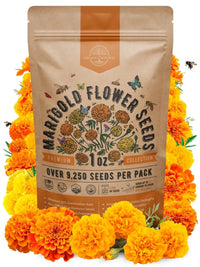
Marigold Seeds PackHeirloom, non-GMOMarigolds keep pests down and bring in pollinators for the whole bed.
Price$12.99Starting at$8.99
Sale

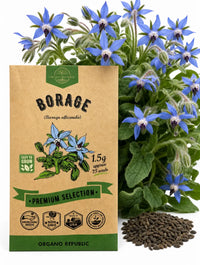
Borage Seeds – Non-GMO HeirloomHeirloom, non-GMOBorage is a bee magnet and its blue stars echo the violas' cheerful faces.
Price$5.99Starting at$4.99
Harvest
Uses
Common problems
Frequently asked questions
What is the difference between a Johnny Jump-Up and a pansy?
They are close cousins in the Viola family. Johnny Jump-Ups (Viola tricolor) have many small, three-color flowers on compact, spreading plants, while pansies were bred from violas for larger, fewer blooms. Johnny Jump-Ups are hardier, self-sow more freely, and give a more natural, cottage-garden look.
Do Johnny Jump-Ups bloom all summer?
In cool climates they can bloom from spring well into summer, but in hot regions they slow down or pause once temperatures rise into the 80s. Deadheading and light shearing keep them going longer, and they often rebound with a fresh flush of flowers when cooler fall weather returns.
Why is it called Johnny Jump-Up?
The name comes from the way these little violas pop up all over the garden, seemingly overnight, thanks to their eager self-seeding. The plant is also known as heartsease and wild pansy, old cottage-garden names it has carried for centuries.
Are Johnny Jump-Ups invasive, and how do I control self-seeding?
They self-sow enthusiastically but are easy to manage and not considered invasive. If you want fewer volunteers, simply deadhead the flowers before they set seed. To encourage a naturalized patch, leave some blooms to ripen and scatter their seed where you want more.
How cold-hardy are Johnny Jump-Ups?
Very. They are hardy in USDA zones 3 to 9 and tolerate frost easily, often overwintering under snow in colder areas and blooming through mild winters in the South. A little mulch helps the roots through hard freezes.
How do I press or candy Johnny Jump-Up flowers?
Pick fresh, dry blooms in the morning. To press, lay them flat between sheets of parchment inside a heavy book for a week or two. To candy them for cakes, brush the petals with a little beaten egg white, dust with fine sugar, and let them dry on a rack until crisp.
Sale

Johnny Jump-Up Seeds – Non-GMO HeirloomHeirloom, non-GMOHeirloom Johnny Jump-Up — a self-sowing carpet of cheerful edible little violas.
Price$4.99Starting at$3.99
Want more than Johnny Jump-Ups? These value sets include them, plus many more flowers and herbs:
Sale

Edible Flower Seeds Variety Pack – Non-GMO Heirloom31 varieties, Johnny Jump-Up includedJohnny Jump-Up and viola alongside borage, calendula, nasturtium, and more.
Price$20.99Starting at$17.99
Sale

Herb & Vegetable Seeds Variety Pack – Non-GMO Heirloom47 varieties, viola includedA full herb-and-veggie garden in one box, with viola tucked in for edging.
Price$63.99
Sale Price$59.99

- Choosing a selection results in a full page refresh.









 Easy Returns 30-day guarantee