


How to Grow Cape Forget-Me-Not From Seed
Updated July 2026
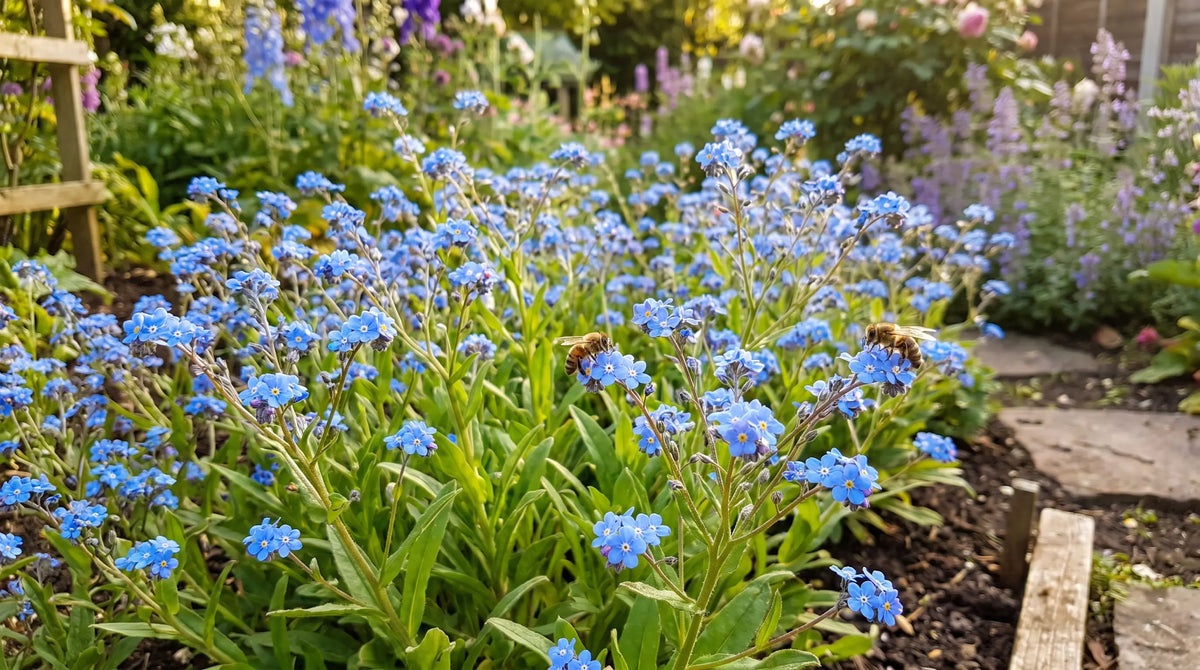
Cape forget-me-not (Anchusa capensis) gives you months of tiny, true-blue flowers from a single easy sowing, and it is one of the simplest ways to keep bees and butterflies working your garden. Though it is technically a short-lived biennial, most gardeners grow it as an annual because it blooms in its first year from an early start. It stays low and mounding, shrugs off heat and dry spells better than the woodland forget-me-not, and self-seeds gently if you let it. Here is how to grow cape forget-me-not from seed, from sowing to a summer-long haze of blue.
Best tip
At a glance
 Botanical name Botanical name | Anchusa capensis |
|---|---|
 Plant type Plant type | Biennial grown as an annual |
 USDA zones USDA zones | 5 to 10 (grown as an annual anywhere) |
 Sun Sun | Full sun to light shade |
 Days to maturity Days to maturity | Blooms in about 12 to 14 weeks from sowing |
 Height Height | 12 to 24 inches |
 Spacing Spacing | Thin to 8 to 12 inches |
 Water Water | Moderate; let it dry between waterings |
When to plant
How to plant
Growing and care
Sale

Mycorrhizal Fungi GranulesFeeds roots naturallyMix a pinch into the bed at sowing to help young roots find water and nutrients in poor soil.
Price$39.99Starting at$29.99
The best companion plants
Sale

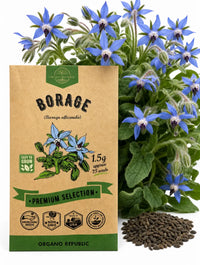
Borage Seeds – Non-GMO HeirloomLoved by beesA classic bee magnet with edible star flowers. Sow nearby to pull even more pollinators to your blue border.
Price$5.99Starting at$4.99
Sale

Nasturtium Seeds for Sale – Non-GMO HeirloomEasy from seedTrailing edible blooms that feed bees and trap aphids away from your flowers. Sow at the border edge.
Price$14.99Starting at$6.99
Sale

Black Oil Sunflower Seeds – Non-GMO HeirloomBee buffetTall backdrop flowers that buzz with bees all summer. Plant behind the low blue anchusa for height.
Price$5.99
Sale Price$4.99
Harvest
Uses
Common problems
Frequently asked questions
Is cape forget-me-not an annual or a perennial?
Anchusa capensis is technically a short-lived biennial, but most gardeners grow it as an annual because it flowers in its first year from an early sowing. In mild zones it often behaves like a self-seeding perennial, dropping seed that returns each spring.
Do cape forget-me-not seeds need light to germinate?
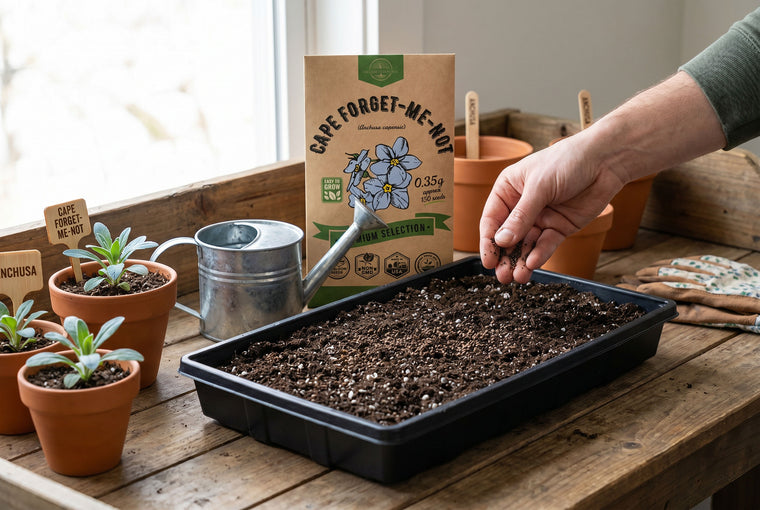
Yes. Anchusa seeds germinate best with light, so surface-sow them and barely cover them with a fine dusting of soil or sand. Keep the mix moist at about 65 to 70F and seedlings usually appear in 10 to 21 days.
When should you plant cape forget-me-not seeds?
Start seeds indoors 6 to 8 weeks before your last frost, or direct-sow outdoors after the frost date once the soil has warmed. In mild-winter regions you can also sow in fall for early spring bloom.
Does cape forget-me-not spread or reseed itself?
It self-seeds readily when you let some flowers set seed at the end of the season. It is not aggressive, so leave a few seed heads if you want it to return, or deadhead and clear spent plants if you would rather control where it pops up.
How tall does cape forget-me-not grow and how far apart should you space it?
Plants reach about 12 to 24 inches tall and form tidy, branching mounds. Thin or transplant seedlings to 8 to 12 inches apart so each plant gets airflow and room to bush out.
Is cape forget-me-not good for bees and pollinators?
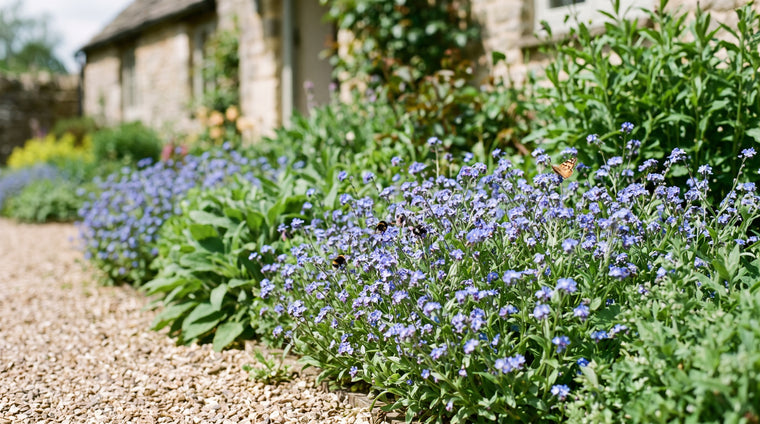
Very. Its long run of small blue flowers is a favorite nectar source for bees and butterflies through summer and fall. Plant it in a drift near vegetables or fruit to draw pollinators into the garden.
Sale

Forget-Me-Not Seeds (Cape) – Non-GMO HeirloomHeirloom, non-GMOHeirloom, non-GMO Anchusa capensis. About 1,400 seeds for masses of true-blue, bee-friendly flowers.
Price$4.99Starting at$3.99
Want more than blue flowers? These value sets all include cape forget-me-not seeds, plus many more flowers and herbs:
Sale

Edible Flower Seeds Variety Pack – Non-GMO Heirloom25 varieties, cape forget-me-not includedTwenty-five edible flowers and herbs for a full pollinator garden.
Price$20.99Starting at$17.99
Sale

Culinary Herbs & Edible Flower Seeds Variety Pack – Non-GMO Heirloom30 varieties, cape forget-me-not includedThirty culinary herbs and edible flowers, cape forget-me-not among them.
Price$21.99Starting at$19.99

- Choosing a selection results in a full page refresh.









 Easy Returns 30-day guarantee