


How to Grow Catnip From Seed
Updated July 2026
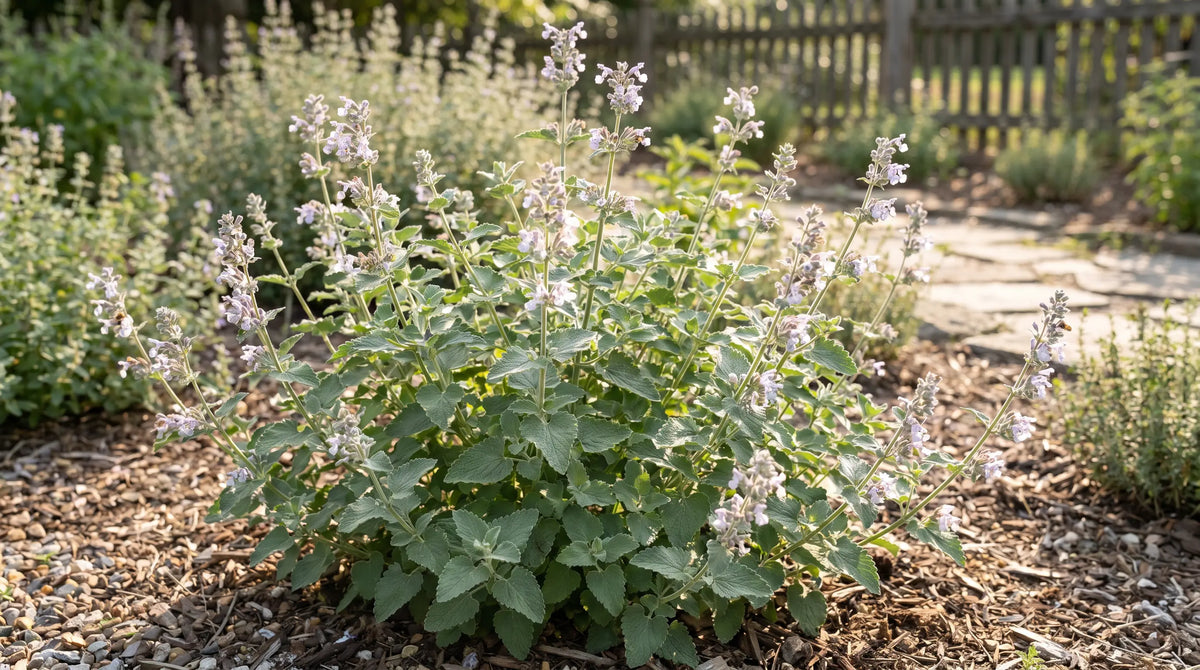
Catnip (Nepeta cataria) is one of the easiest perennials you can start from seed, and this guide walks through how to grow catnip from sowing to harvest. It is a member of the mint family that forms a bushy, silvery-green clump topped with soft lavender-white flowers, and while bees work those blooms all summer, the leaves are what your cat is after. It thrives on neglect, returns every year, and gives you plenty to dry for toys, tea, and treats.
Best tip
At a glance
 Botanical name Botanical name | Nepeta cataria |
|---|---|
 Plant type Plant type | Perennial herb |
 USDA zones USDA zones | 3 to 9 (hardy perennial) |
 Sun Sun | Full sun to part shade |
 Days to maturity Days to maturity | About 70 days (first leaf harvest) |
 Height Height | 2 to 3 feet |
 Spacing Spacing | 18 to 24 inches apart |
 Water Water | Moderate; drought-tolerant once established |
When to plant
How to plant
Growing and care
Sale

Mycorrhizal Fungi GranulesFeeds roots naturallyMix a little into the planting hole to boost catnip's roots.
Price$39.99Starting at$29.99
The best companion plants
Sale

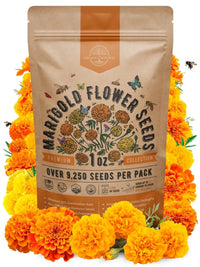
Marigold Seeds PackPest-repelling companionBright blooms that help deter garden pests.
Price$12.99Starting at$8.99
Sale

Nasturtium Seeds for Sale – Non-GMO HeirloomPest-repelling companionA living trap crop that lures aphids away.
Price$14.99Starting at$6.99
Sale

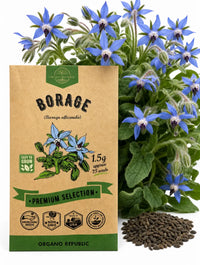
Borage Seeds – Non-GMO HeirloomPollinator companionStar-shaped flowers that pull in bees and pollinators.
Price$5.99Starting at$4.99
Sale

Cherry Belle Radish Seeds – Non-GMO HeirloomEasy companion cropQuick, easy roots that fit neatly between herb clumps.
Price$4.99Starting at$3.99
Harvest
Uses
Common problems
Frequently asked questions
Do catnip seeds need cold stratification to germinate?
They do not strictly need it, but a cold spell helps. Catnip germinates more evenly if you chill the seeds first, either by freezing them overnight and then soaking them for 24 hours, or by keeping them on a damp paper towel in the refrigerator for three to four weeks before sowing. This mimics winter and wakes the seeds up.
How long does catnip take to grow from seed?
Seedlings usually appear in 7 to 14 days at a soil temperature around 60 to 70F, and can take up to three weeks if the soil is cool. From there catnip is quick and vigorous, reaching a harvestable, bushy plant in roughly 10 to 12 weeks, then coming back bigger each year as a perennial.
Why do cats love catnip, and do all cats respond to it?
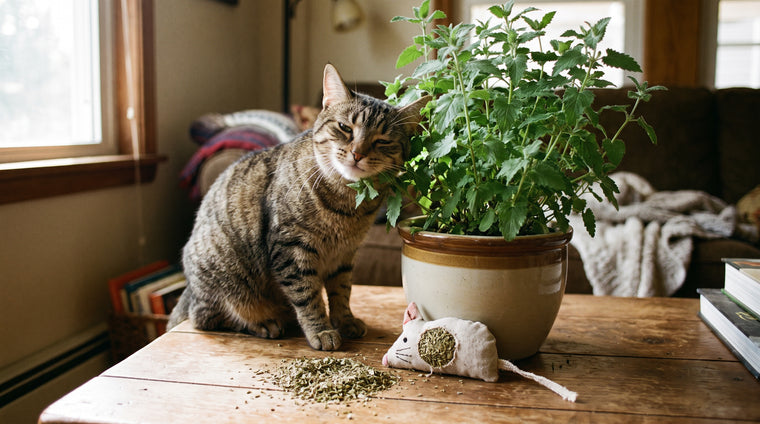
The leaves and stems contain an aromatic oil called nepetalactone, and when cats smell it many roll, rub, and play happily for a few minutes. It is a harmless behavioral quirk, not every cat reacts, and the response is inherited, so roughly a third of cats simply ignore it. Kittens under a few months old usually do not respond yet.
Does catnip come back every year, and will it spread?
Yes. Catnip is a hardy perennial in about USDA zones 3 to 9, dying back in winter and returning each spring. It also self-sows freely and can spread, so snip off the spent flower heads before they drop seed, or grow it in a pot, if you want to keep it in bounds.
Can you grow catnip in a container or indoors?
Absolutely. Catnip does well in a roomy pot at least 8 to 10 inches wide with drainage holes and a sunny spot, which also keeps its spreading roots contained. Indoors, give it your brightest window or a grow light, let the soil dry slightly between waterings, and pinch it back to stay bushy.
How do you dry catnip for cat toys?
Cut the leafy top growth just as the plant begins to flower, when the aromatic oils are strongest, then tie small bunches and hang them upside down in a warm, dark, airy spot for one to two weeks. Once the leaves are crisp, crumble them off the stems and store in an airtight jar to stuff into toys or sprinkle on a scratching post.
Sale

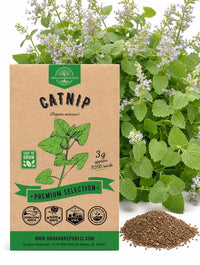
Catnip Seeds – Non-GMO HeirloomEasy to grow, cats love itHeirloom, non-GMO catnip seeds with a high germination rate.
Price$4.99Starting at$3.99
Want more than catnip? These value sets all include catnip seeds, plus many more herbs to grow and brew:
Sale

Culinary Herb Seeds Variety Pack – Non-GMO Heirloom18 varieties, catnip included18 kitchen herb varieties in one set.
Price$12.99Starting at$9.99
Sale

Culinary Herbs & Edible Flower Seeds Variety Pack – Non-GMO Heirloom30 varieties, catnip included30 culinary herbs and edible flowers in one kit.
Price$21.99Starting at$19.99
Sale

Herb & Vegetable Seeds Variety Pack – Non-GMO Heirloom75 varieties, catnip includedA giant 75-variety vegetable, fruit, flower and herb collection.
Price$63.99
Sale Price$59.99

- Choosing a selection results in a full page refresh.











 Easy Returns 30-day guarantee