


How to Grow Lemon Mint From Seed
Updated July 2026
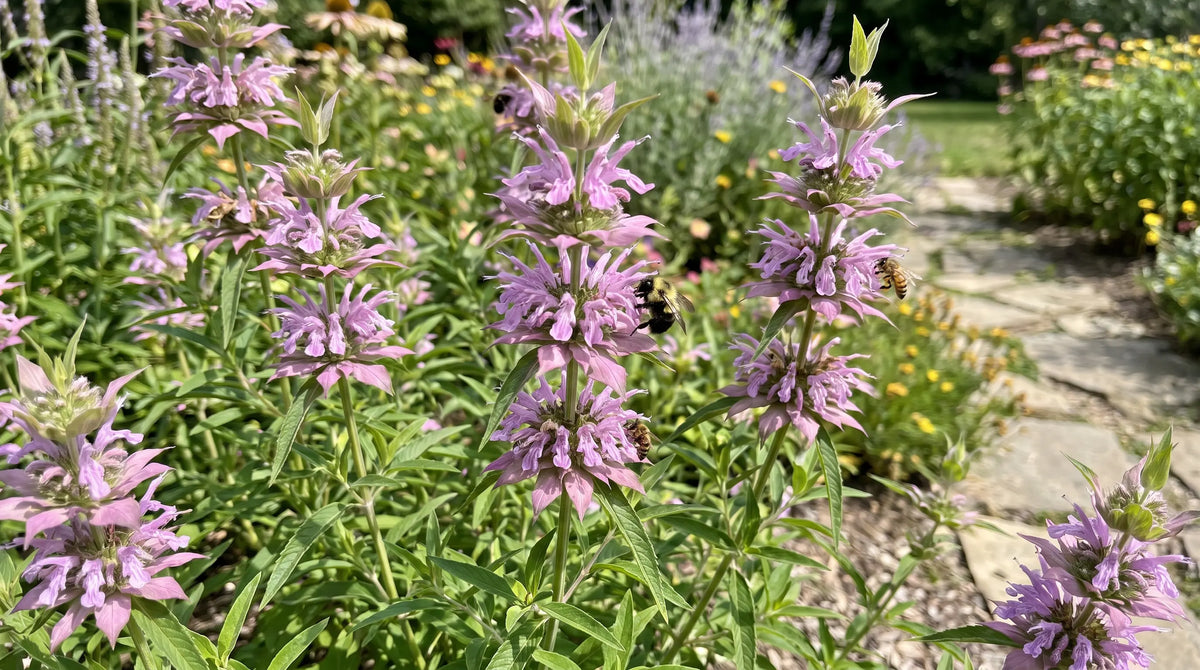
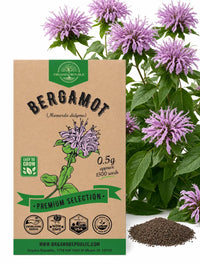
Lemon mint (Monarda citriodora) is a bright, lemon-scented member of the bee balm family, loved by bees and butterflies. Unlike spreading garden mint, it grows in upright clumps topped with tiered whorls of tubular lavender-pink flowers, making it as ornamental as it is fragrant. Ready in about 90 days, its aromatic leaves and blooms can be steeped into a refreshing herbal tea. Grow it in a sunny border or pollinator patch for color, scent, and buzzing visitors all season.
Quick start
Best tip
At a glance
 Botanical name Botanical name | Monarda citriodora |
|---|---|
 Plant type Plant type | Annual to short-lived perennial herb |
 USDA zones USDA zones | 2 to 11 (grown as an annual, self-seeds) |
 Sun Sun | Full sun to part shade |
 Days to maturity Days to maturity | About 90 days |
 Height Height | 18 to 30 inches |
 Spacing Spacing | 12 to 18 inches apart |
 Water Water | Regular; keep evenly moist, well-drained |
Uses
Frequently asked questions
Is lemon mint the same as regular garden mint?
Not quite. Lemon mint is Monarda citriodora, a member of the bee balm family rather than a true Mentha. It has a bright, lemony minty scent and grows as an upright annual or short-lived perennial with tiered whorls of lavender-pink flowers, so it behaves differently from spreading garden mint.
Does lemon mint attract pollinators?
Yes, lemon mint is a pollinator magnet. Its stacked whorls of tubular lavender-pink flowers are loved by bees, butterflies, and other beneficial insects, which makes it a great choice for a pollinator patch or the edge of a vegetable garden.
How do I grow lemon mint from seed?
Surface-sow the small seeds on moist mix and press in lightly, since they benefit from light to germinate. Keep them warm and evenly moist, then grow in full sun to part shade in well-drained soil. Unlike spreading garden mint, lemon mint grows in upright clumps and reseeds, so it is easy to place in a border or pollinator bed.
What is lemon mint used for?
Lemon mint is grown for both its bright lemon-mint fragrance and its ornamental, pollinator-friendly flowers. The aromatic leaves and blooms can be steeped into a refreshing herbal tea, and the tiered lavender-pink flower stalks make a lovely cut flower and garden accent.

Lemon Mint Seeds – Non-GMO HeirloomHeirloom, non-GMOHeirloom Lemon Mint — citrusy minty leaves for teas, lemonades, and garnishes.
Price$4.99
Want more than lemon mint? These value sets pair herbs like mint with many more to grow:
Sale

Herb & Vegetable Seeds Variety Pack – Non-GMO Heirloom75 varieties in one setThe big all-in-one garden in one box: herbs, greens, and vegetables together.
Price$63.99
Sale Price$59.99
Sale

Vegetable Seeds Variety Pack55 vegetable varietiesA full season of vegetables: 55 heirloom, non-GMO varieties to fill the garden.
Price$21.99Starting at$17.99

- Choosing a selection results in a full page refresh.










 Easy Returns 30-day guarantee