


How to Grow Lovage From Seed
Updated July 2026
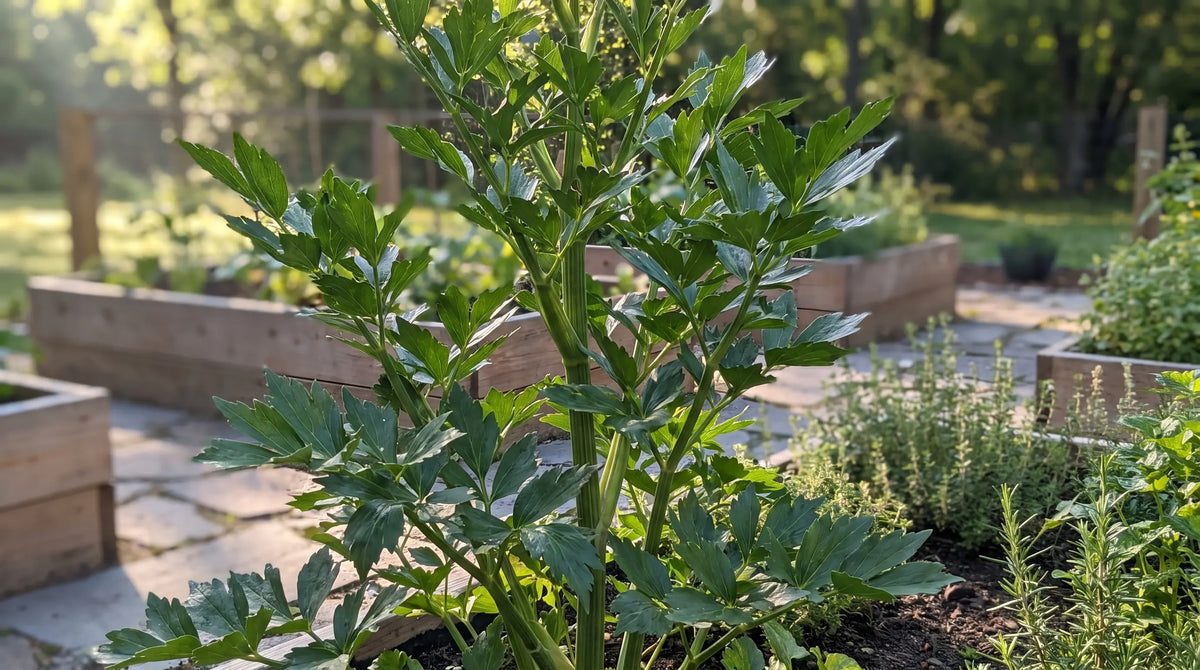
Lovage (Levisticum officinale) is a towering, hardy perennial herb that tastes like a bold, concentrated celery, which makes it a favorite for soups, stocks, and stews. It is easy to grow lovage from seed, and just one or two plants will feed a kitchen for years, since a mature plant can reach four to six feet tall. This guide covers when to sow, how to start the seeds and give the plant room, how to care for it season after season, and how to harvest and use the leaves, stems, and seeds. Plant it once at the back of the bed and it returns bigger every spring.
Best tip
At a glance
 Botanical name Botanical name | Levisticum officinale |
|---|---|
 Plant type Plant type | Hardy perennial herb |
 USDA zones USDA zones | 3 to 9 |
 Sun Sun | Full sun to part shade |
 Days to maturity Days to maturity | About 90 days to first usable leaves; full size in year two |
 Height Height | 4 to 6 feet |
 Spacing Spacing | 24 to 36 inches |
 Water Water | Consistent moisture; about 1 to 2 inches a week |
When to plant
How to plant
Growing and care
Sale

Mycorrhizal Fungi GranulesFeeds roots naturallyMix a little into the planting hole to feed lovage's deep roots.
Price$39.99Starting at$29.99
The best companion plants
Sale

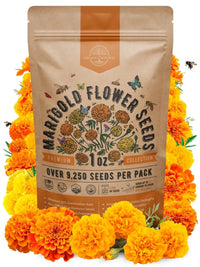
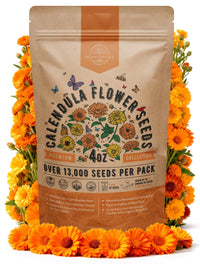
Marigold Seeds PackCompanion plantBright blooms that lure pollinators and deter garden pests.
Price$12.99Starting at$8.99
Sale

Nasturtium Seeds for Sale – Non-GMO HeirloomCompanion plantA living trap crop for aphids, with edible leaves and flowers.
Price$14.99Starting at$6.99
Sale

Holy Basil Seeds – Tulsi, Non-GMO HeirloomCompanion plantAn aromatic kitchen herb that pairs well beside big lovage.
Price$4.99Starting at$3.99
Harvest
Uses
Common problems
Frequently asked questions
How big does a lovage plant get?
Lovage is a large perennial that commonly reaches 4 to 6 feet tall and spreads two to three feet wide once mature. Because of its size, one or two plants set at the back of a bed are plenty for most home kitchens.
Is lovage a perennial that comes back every year?
Yes. Lovage is a hardy perennial, reliable in USDA zones 3 to 9. It dies back to the ground in winter and returns from its deep roots each spring, growing larger and more productive for many years.
What does lovage taste like?
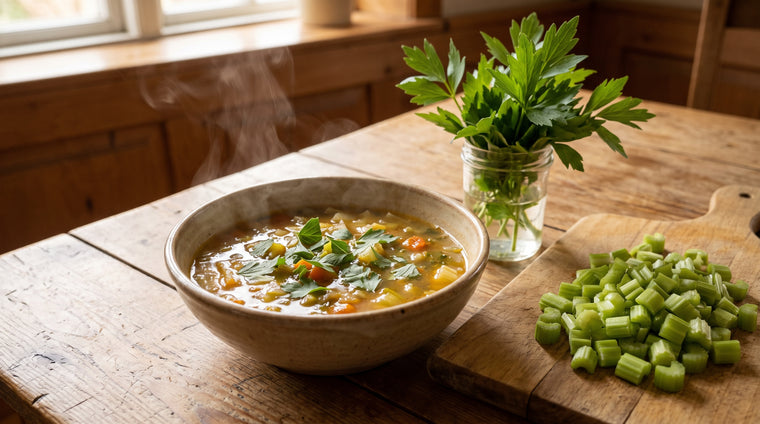
Lovage tastes like a bolder, more concentrated version of celery, with a warm, slightly aniseed edge. Because the flavor is strong, use the leaves and stems sparingly in soups, stocks, and stews.
Do lovage seeds need light to germinate?
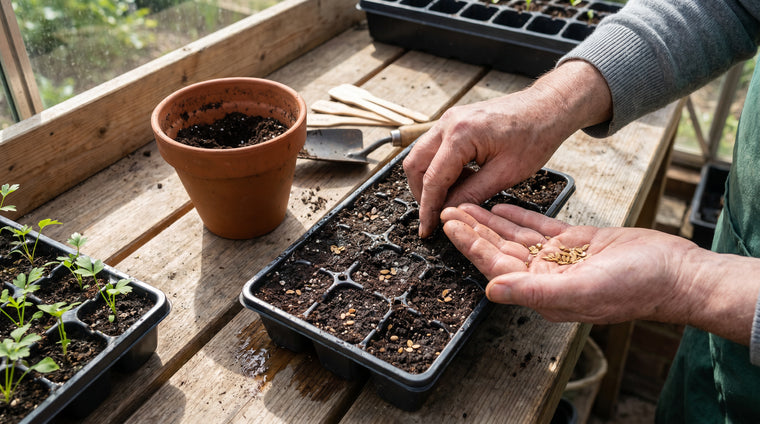
Yes. Lovage seed germinates best with light, so surface-sow it and cover only lightly. It also sprouts most reliably when the seed is fresh, so sow recently harvested seed and keep it warm and evenly moist.
When can I start harvesting lovage?
Harvest lightly in the first year so the plant can establish, then pick freely from the second year on. Snip outer leaves and stems as you need them, taking no more than about a third of the plant at a time so it keeps producing.
Can you use lovage instead of celery?
Yes, and it is a classic substitute. The leaves add celery flavor to soups and stews, and the hollow stems can be used much like celery stalks, though the taste is stronger, so use less than you would celery.
Sale

Herb & Vegetable Seeds Variety Pack – Non-GMO HeirloomHerb & veggie starter set75 heirloom herb and vegetable varieties to start a whole garden.
Price$63.99
Sale Price$59.99
Building a bigger kitchen and vegetable garden? These value seed sets pair well with lovage:
Sale

Vegetable Seeds Variety Pack55 vegetable varietiesA big vegetable collection to fill the beds around your lovage.
Price$21.99Starting at$17.99

- Choosing a selection results in a full page refresh.









 Easy Returns 30-day guarantee