


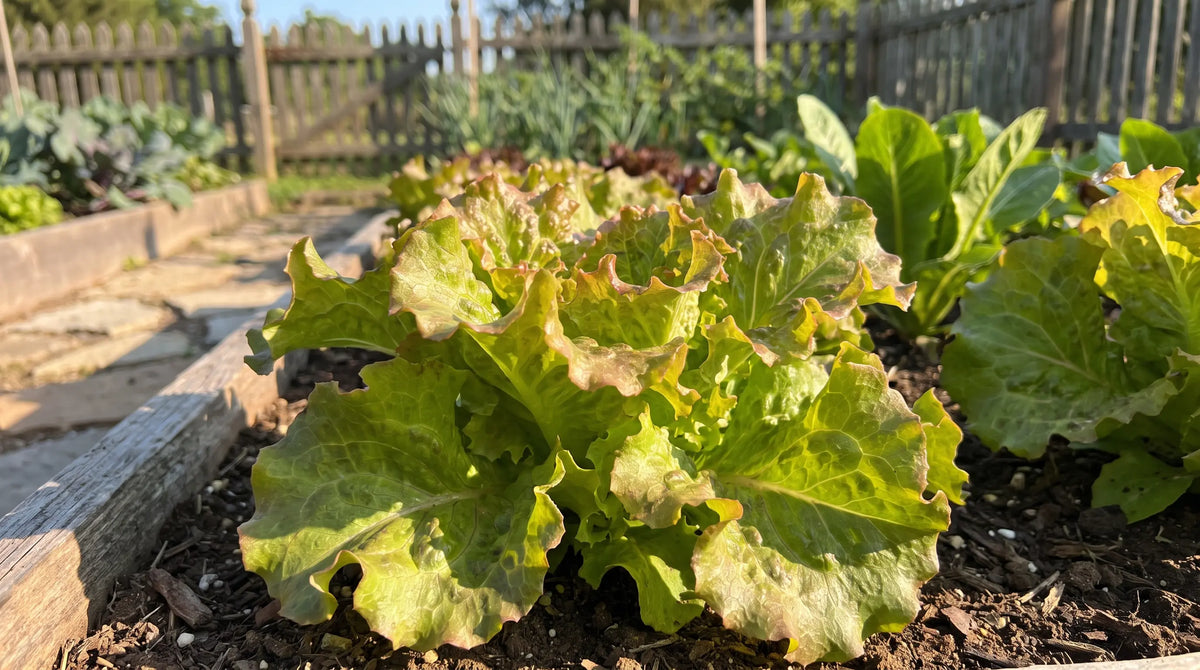
How to Grow Prizehead Lettuce From Seed
Updated July 2026
Prizehead is an old-fashioned loose-leaf lettuce with big, frilly, red-tinged leaves that are among the sweetest and most tender you can grow. It grows fast, harvests cut-and-come-again, and brings both beautiful color and delicate flavor to the salad bowl. Here is what makes this variety special and how to get the best from it.
Quick start
Best tip
At a glance
 Botanical name Botanical name | Lactuca sativa |
|---|---|
 Plant type Plant type | Cool-season annual (loose-leaf) |
 USDA zones USDA zones | 2 to 11 (grown as an annual) |
 Sun Sun | Full sun to part shade |
 Days to maturity Days to maturity | 45 to 50 days |
 Height Height | 8 to 12 inches |
 Spacing Spacing | 4 to 8 inches apart |
 Water Water | Even and steady; keep moist |
Uses
Frequently asked questions
How long does Prizehead lettuce take to grow?
Prizehead is a fast loose-leaf type, ready in about 45 to 50 days, with outer leaves pickable sooner. It keeps producing for weeks when harvested cut-and-come-again.
What does Prizehead lettuce look and taste like?
It has large, frilly leaves tinged red-bronze at the edges, with a notably sweet, tender flavor. The color and ruffled texture make it one of the prettiest loose-leaf lettuces for salads.
Why are my Prizehead leaves more green than red?
The red tinge develops with cool temperatures and full sun. Grow Prizehead in the cool of spring and fall with plenty of light and the leaves will take on their characteristic red-bronze edges.
How do I harvest Prizehead lettuce?
Use the cut-and-come-again method, snipping outer leaves an inch above the crown and letting the plant keep growing. Pick in the cool morning for the sweetest, crispest leaves.

Prizehead Lettuce Seeds – Non-GMO HeirloomHeirloom, non-GMOHeirloom Prizehead — ruffled red-tinged leaves, mild and tender.
Price$4.99
Want more lettuce? These value packs pair Prizehead with other varieties:
Sale

Lettuce & Greens Seeds Variety Pack – Non-GMO Heirloom22 lettuce & greensAn even bigger salad collection — 22 lettuces and greens for months of fresh leaves in every color and texture.
Price$12.99Starting at$9.99

- Choosing a selection results in a full page refresh.












 Easy Returns 30-day guarantee