


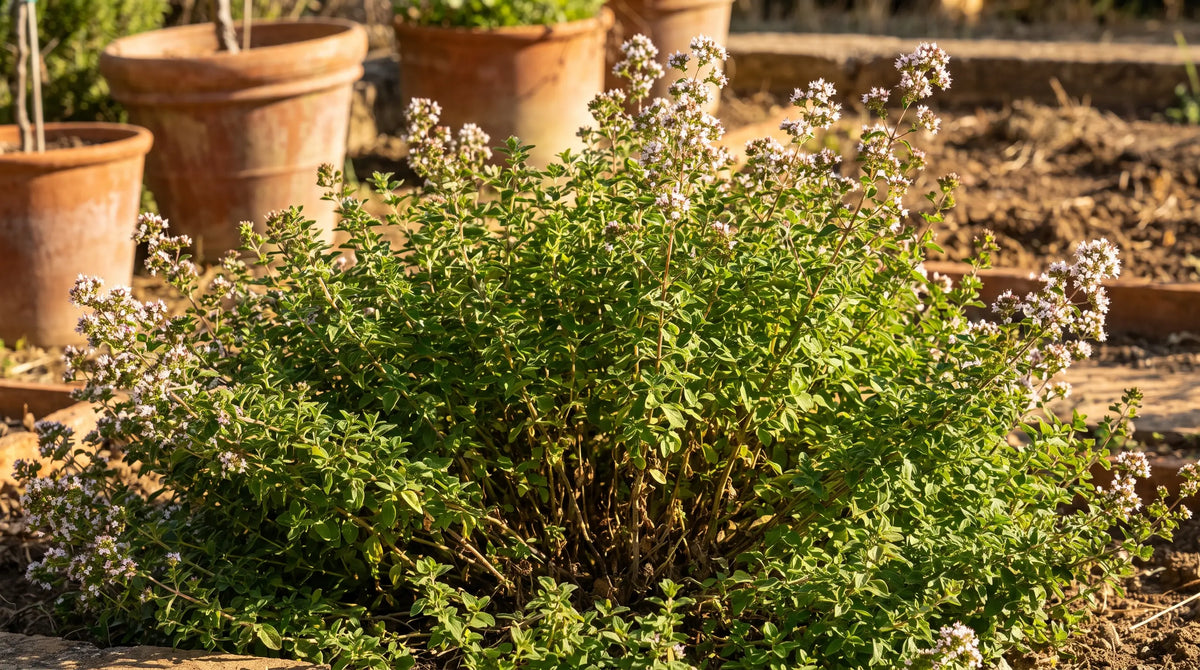
How to Grow Oregano From Seed
Updated July 2026
Oregano (Origanum vulgare) is one of the easiest herbs to grow from seed and one of the most forgiving once it is established. This hardy Mediterranean perennial wants sun and lean soil, comes back year after year in most of the country, and actually rewards a little neglect with more aromatic leaves. Here is how to grow oregano from seed, from surface-sowing the tiny seeds to harvesting and drying your own.
Grow the whole herb shelf at once with our herb seeds variety pack.
Best tip
At a glance
 Botanical name Botanical name | Origanum vulgare |
|---|---|
 Plant type Plant type | Perennial herb |
 USDA zones USDA zones | 4 to 10 (perennial in zones 5+) |
 Sun Sun | Full sun |
 Days to maturity Days to maturity | 80 to 90 days from seed |
 Height Height | 12 to 24 inches |
 Spacing Spacing | 8 to 12 inches apart |
 Water Water | Low; let soil dry between waterings |
When to plant
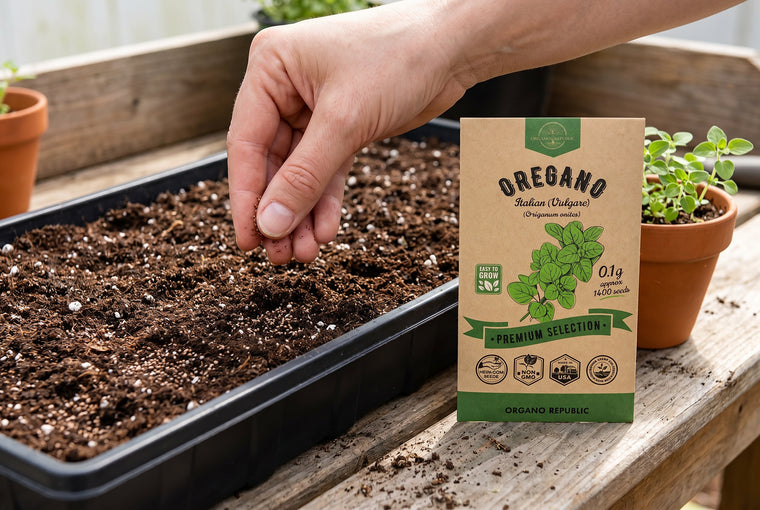
How to plant
Growing and care
Sale

Mycorrhizal Fungi GranulesFeeds roots naturallyMix a little into the planting hole to boost oregano's roots.
Price$39.99Starting at$29.99
The best companion plants
Sale

Beefsteak Tomato Seeds – Red, Non-GMO HeirloomGrows great with oreganoA garden classic: oregano's low mound helps shade soil and its scent deters pests near tomatoes.
Price$4.99Starting at$3.99
Sale

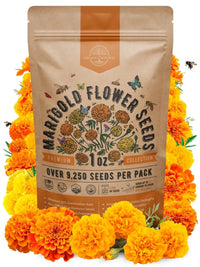
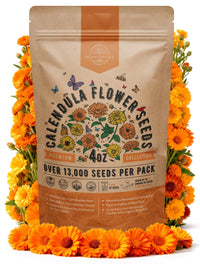
Marigold Seeds PackPollinator favoriteMarigolds and oregano both draw pollinators and help keep pests down.
Price$12.99Starting at$8.99
Sale

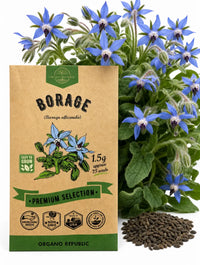
Borage Seeds – Non-GMO HeirloomBee magnetBorage attracts bees and beneficial insects to the herb bed alongside oregano.
Price$5.99Starting at$4.99
Sale

Nasturtium Seeds for Sale – Non-GMO HeirloomEdible flowersTrailing nasturtium makes a colorful, edible ground cover beside oregano.
Price$14.99Starting at$6.99
Harvest
Uses

Common problems
Frequently asked questions
What is the difference between oregano and marjoram?
They are close cousins in the same genus. Oregano (Origanum vulgare) is bold, peppery, and slightly bitter, best in Italian and Greek cooking. Sweet marjoram (Origanum majorana) is milder, sweeter, and more floral. Oregano is also a hardy perennial, while marjoram is frost-tender.
Is oregano a perennial and does it come back every year?
Yes. Common oregano is a hardy perennial in USDA zones 4 to 9. It dies back in winter and returns each spring, slowly spreading into a low, bushy mat, so plant it once and enjoy it for years.
What are good companion plants for oregano?
Oregano is a helpful neighbor for tomatoes, peppers, and cabbage-family crops, where its scent helps deter aphids and cabbage pests, and its flowers feed bees. It also pairs well with basil and other Mediterranean herbs that share its love of sun and dry soil.
How do I dry oregano for the best flavor?
Oregano is one of the few herbs that tastes stronger dried. Cut stems just before flowering, tie them in small bundles, and hang them in a warm, airy, shaded spot for a week or two. Once crisp, strip the leaves and store them whole in a jar.
What is Mexican oregano, and is it the same plant?
No. Mexican oregano (Lippia graveolens) is a different plant from a different family, with a more citrusy, robust flavor used in Mexican cooking. The oregano you grow from these seeds is Mediterranean oregano, the classic pizza-and-pasta herb.
Why does my oregano taste weak?
Usually too much water or soil that is too rich. Oregano develops the strongest flavor in lean, well-drained soil and full sun with sparing water. Harvest just before it flowers, when the leaves are most aromatic.
Sale

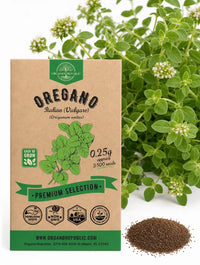
Italian Oregano Seeds – Non-GMO HeirloomHeirloom, non-GMOItalian oregano, a hardy perennial: fragrant leaves for pizza, pasta, and the spice rack for years.
Price$4.99Starting at$3.99
Want more than oregano? These value sets all include oregano seeds, plus many more herbs and veggies:
Sale

Herb & Vegetable Seeds Variety Pack – Non-GMO Heirloom75 varieties, oregano includedOur biggest all-in-one herb and vegetable collection.
Price$63.99
Sale Price$59.99

- Choosing a selection results in a full page refresh.










 Easy Returns 30-day guarantee