


How to Grow Summer Savory From Seed
Updated July 2026
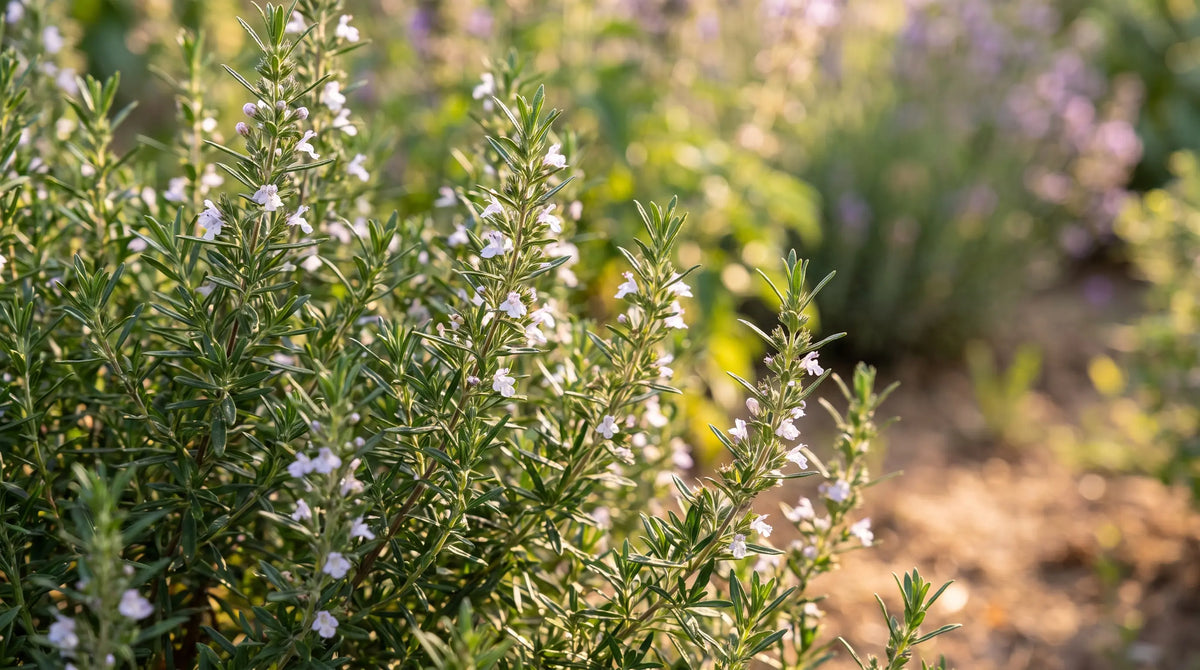
Summer savory (Satureja hortensis) is a fast, fuss-free annual herb with a warm, peppery flavor, and it goes from seed to harvest in about two months. Gardeners have leaned on it as the bean herb for generations, since it partners so well with green beans, lentils, and hearty soups. It does fine in a sunny bed or a pot on the windowsill. The one thing to remember is that its tiny seeds need light to sprout, so you sow them shallow. Here is how to grow summer savory from seed, start to finish.
Best tip
At a glance
 Botanical name Botanical name | Satureja hortensis |
|---|---|
 Plant type Plant type | Annual herb |
 USDA zones USDA zones | 2 to 11 (grown as a warm-season annual) |
 Sun Sun | Full sun |
 Days to maturity Days to maturity | 60 to 70 days |
 Height Height | 12 to 18 inches |
 Spacing Spacing | Thin to 6 to 10 inches |
 Water Water | Moderate; keep evenly moist, avoid soggy soil |
When to plant
How to plant
Growing and care
Sale

Mycorrhizal Fungi GranulesFeeds roots naturallyMix a little into the bed to boost summer savory's roots.
Price$39.99Starting at$29.99
The best companion plants
Sale

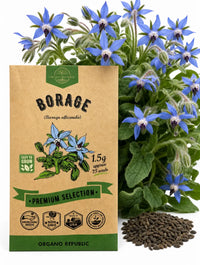
Borage Seeds – Non-GMO HeirloomPollinator companionBorage brings bees and beneficial insects to the savory patch.
Price$5.99Starting at$4.99
Sale

Nasturtium Seeds for Sale – Non-GMO HeirloomTrap-crop companionNasturtium trails as living mulch and lures aphids away from savory.
Price$14.99Starting at$6.99
Sale

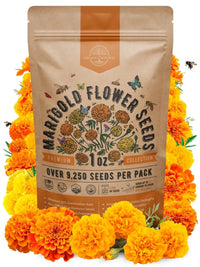
Marigold Seeds PackPest-deterring companionMarigolds share savory's sunny bed and help deter soil pests.
Price$12.99Starting at$8.99
Sale

Beefsteak Tomato Seeds – Red, Non-GMO HeirloomKitchen-garden companionSavory is the classic bean herb, and it is said to improve nearby crops like tomatoes.
Price$4.99Starting at$3.99
Harvest
Uses
Common problems
Frequently asked questions
Is summer savory an annual or a perennial?
Summer savory (Satureja hortensis) is a tender annual grown fresh each year, milder and sweeter than its cousin winter savory, which is a woody perennial. Sow summer savory every spring, or let a few plants set seed and it will often self-sow a new patch.
How deep do you plant summer savory seeds?
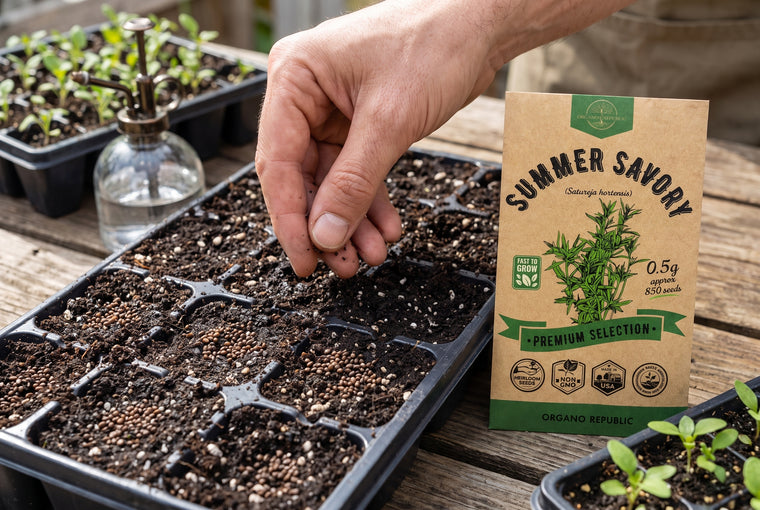
Barely. The seeds are tiny and germinate best with light, so sow them only about an eighth of an inch deep or press them onto the surface and barely cover them. Keep the soil evenly moist at 60 to 70F and seedlings appear in about 10 to 15 days.
How far apart should you space summer savory plants?
Thin or space plants to about 6 to 10 inches apart in rows around 18 inches apart. The slim, upright plants do not need much room, and a little airflow between them helps prevent mildew and keeps the foliage healthy.
When and how do you harvest summer savory?
Start snipping sprigs once plants are 6 inches tall, and the flavor is at its peak just as the flower buds form. Cut whole stems for drying, taking up to a third of the plant at a time. Regular cutting keeps it bushy and productive right through summer.
Can you grow summer savory in a container?
Yes, it is well suited to pots. Use a container with drainage, a light well-draining mix, and a spot in full sun. Its compact, upright habit keeps it tidy on a balcony or windowsill and puts the peppery leaves right by the kitchen.
What does summer savory taste like and how is it used?
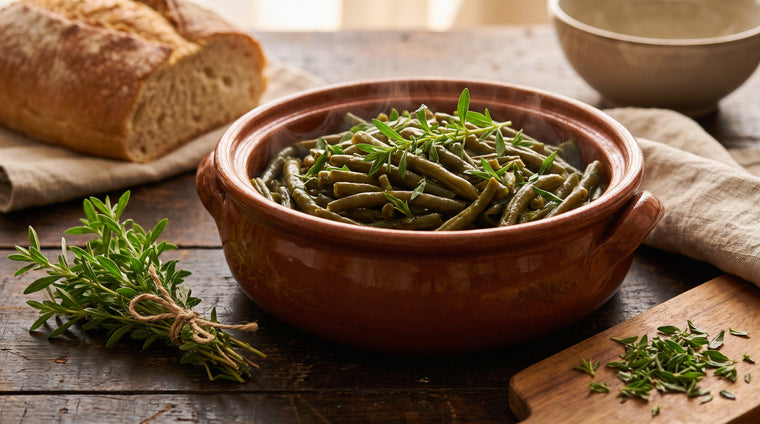
It has a warm, peppery, thyme-meets-marjoram flavor. Long known as the bean herb, it is classic with green and dried beans, lentils, and peas, and it seasons stuffings, sausages, soups, and roasts, and is a key note in herbes de Provence.
Sale

Culinary Herb Seeds Variety Pack – Non-GMO Heirloom18 varieties, savory included18 kitchen herbs, summer savory included, to start a full culinary garden.
Price$12.99Starting at$9.99
Want more than savory? These value sets all include summer savory seeds, plus many more herbs:
Sale

Culinary Herbs & Edible Flower Seeds Variety Pack – Non-GMO Heirloom30 varieties, savory included30 culinary herbs and edible flowers, summer savory included.
Price$21.99Starting at$19.99

- Choosing a selection results in a full page refresh.
















 Easy Returns 30-day guarantee