


How to Grow Arugula From Seed
Updated July 2026
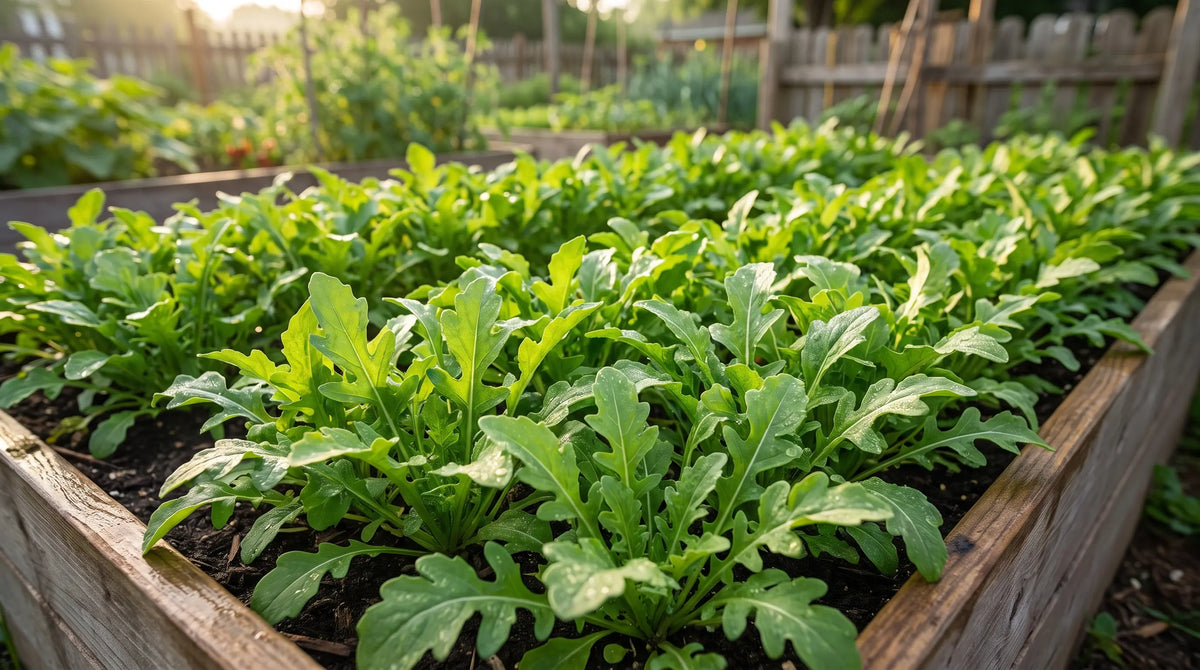
Arugula (Eruca sativa), also called rocket or roquette, is one of the fastest crops you can grow. Sow it straight into the soil, start cutting peppery, nutty leaves in about three weeks, and harvest the same bed again and again. It loves the cool of spring and fall and asks for little more than steady water. Here is how to grow arugula from seed, start to finish.
Best tip
At a glance
 Botanical name Botanical name | Eruca sativa |
|---|---|
 Plant type Plant type | Annual leafy green |
 USDA zones USDA zones | 2 to 11 (cool-season annual) |
 Sun Sun | Full sun to part shade |
 Days to maturity Days to maturity | 20 days baby, about 40 full |
 Height Height | 6 to 24 inches |
 Spacing Spacing | Thin to 6 inches apart |
 Water Water | Regular; keep evenly moist |
When to plant
How to plant
Growing and care
Sale

Mycorrhizal Fungi GranulesFeeds the soilRake a little into the bed before sowing to feed the living soil your greens grow in.
Price$39.99Starting at$29.99
The best companion plants
Sale

Nasturtium Seeds for Sale – Non-GMO HeirloomHeirloom, non-GMOA trap crop that pulls flea beetles and aphids away from your arugula.
Price$14.99Starting at$6.99
Sale

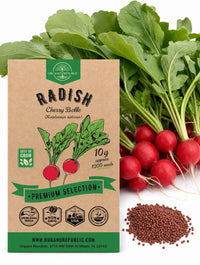
Cherry Belle Radish Seeds – Non-GMO HeirloomHeirloom, non-GMOFast radishes interplant with greens and lure flea beetles off tender leaves.
Price$4.99Starting at$3.99
Sale

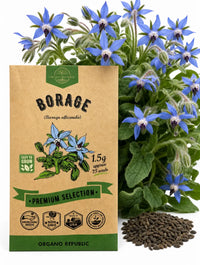
Borage Seeds – Non-GMO HeirloomHeirloom, non-GMOIts flowers draw in bees and the beneficial bugs that eat aphids.
Price$5.99Starting at$4.99
Sale

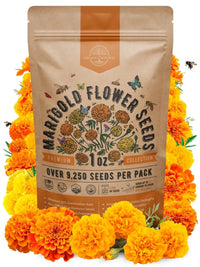
Marigold Seeds PackHeirloom, non-GMOA cheerful pest-deterrent that helps keep beetles off your greens.
Price$12.99Starting at$8.99
Harvest
Uses
Common problems
Frequently asked questions
How long does arugula take to grow?
Arugula is fast. Seeds sprout in about 5 to 7 days, you can pick baby leaves in 2 to 3 weeks, and full-size leaves in about 40 days.
How deep and how far apart do I sow arugula?
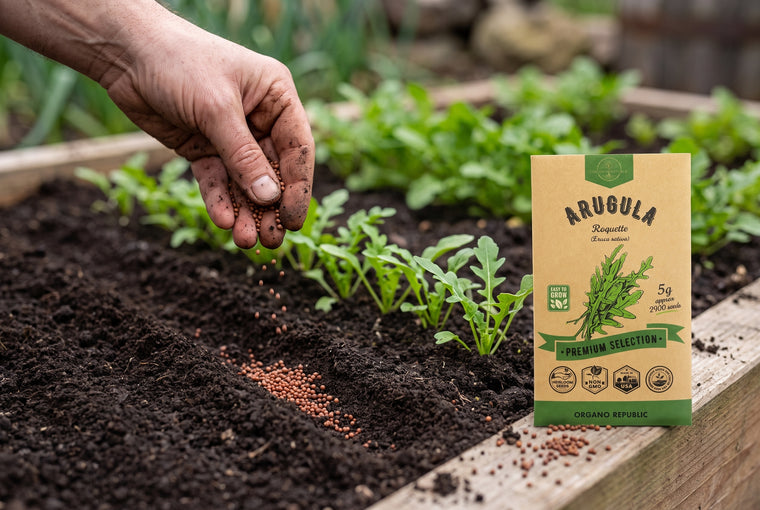
Sow the seeds shallow, about a quarter inch deep, and thin seedlings to roughly 6 inches apart. The thinnings are delicious in salads.
Should I start arugula indoors or direct-sow it?
Direct-sow it. Arugula grows so quickly and dislikes root disturbance, so scatter the seeds right where they will grow, in the garden or a container.
When should I plant arugula?
Arugula is a cool-season green. Sow in early spring and again in late summer for fall. Heat makes it bolt and turn bitter, so skip the peak of summer.
Why is my arugula bitter or flowering?
Heat and age both do it. Pick leaves young, keep the soil moist, give afternoon shade in warm spells, and sow a fresh batch every couple of weeks.
What pests bother arugula?
Flea beetles are the main one, leaving tiny shot-holes in the leaves. A floating row cover, plus trap crops like radish and nasturtium nearby, keeps them down.
Sale

Arugula Roquette SeedsHeirloom, non-GMOFresh heirloom arugula seeds, about 2,900 to a packet: peppery leaves in just weeks.
Price$5.99
Sale Price$4.99
Want more than a packet? These value sets all include arugula seeds, plus a quick microgreens pack:
Sale

Lettuce & Greens Seeds Variety Pack – Non-GMO Heirloom22 greens, arugula includedA bigger salad garden: arugula and 21 more greens to sow all season.
Price$12.99Starting at$9.99
Sale

Greens & Vegetable Seeds Variety Pack – Non-GMO Heirloom75 varieties, arugula includedOur biggest greens-and-vegetable collection, arugula included.
Price$63.99
Sale Price$59.99

- Choosing a selection results in a full page refresh.











 Easy Returns 30-day guarantee