


How to Grow Mizuna From Seed
Updated July 2026
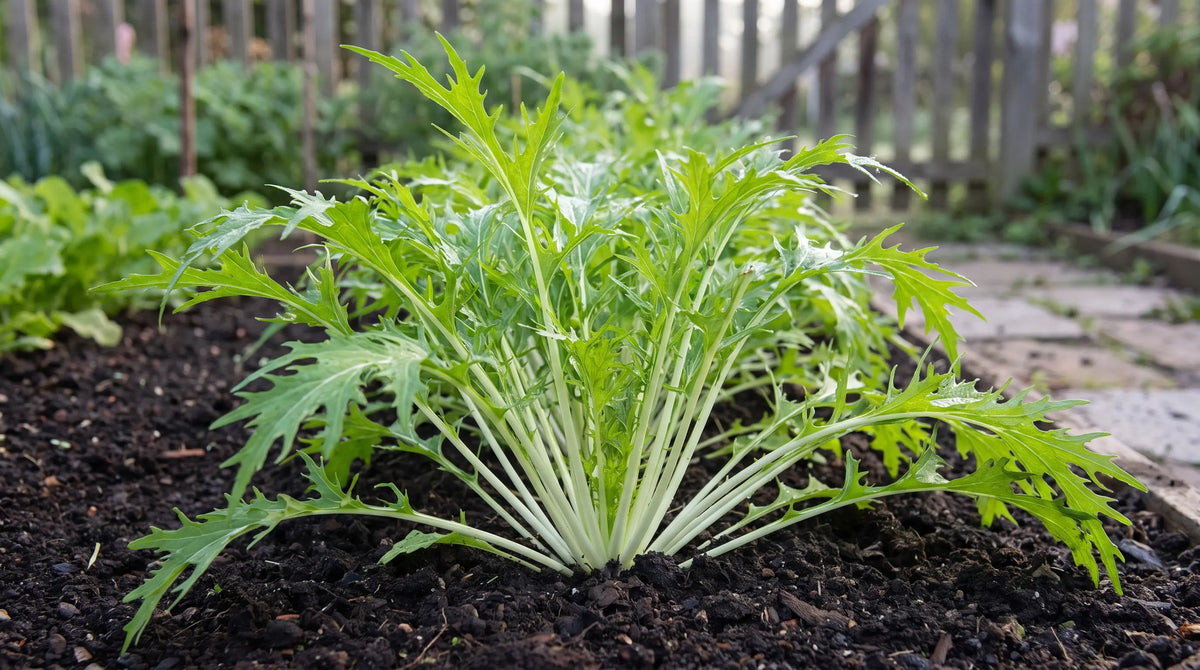
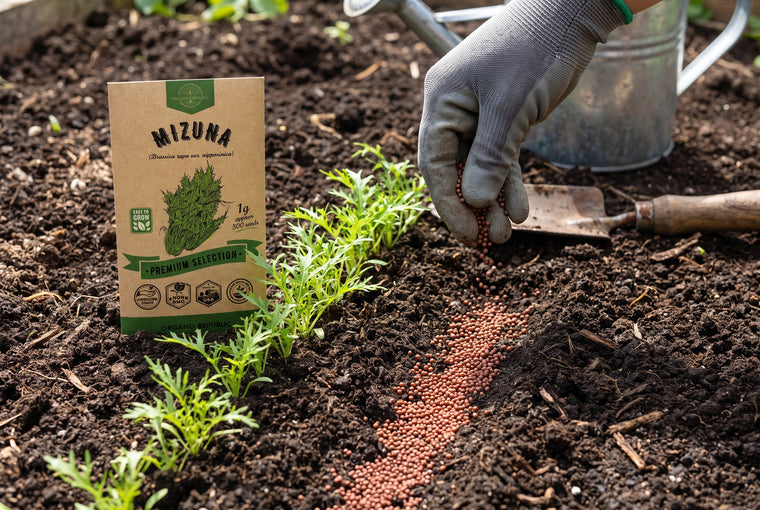
Mizuna (Brassica rapa var. niposinica) is a Japanese mustard green with feathery, deeply cut leaves and a mild, gently peppery flavor. It is one of the fastest, easiest greens you can grow: baby leaves are ready in about three weeks, it thrives in the cool of spring and fall, and it regrows again and again after cutting. Whether you have a garden bed, a container, or a sunny windowsill, here is how to grow mizuna from seed for a steady supply of tender salad leaves.
Best tip
At a glance
 Botanical name Botanical name | Brassica rapa var. niposinica |
|---|---|
 Plant type Plant type | Cool-season annual leafy green |
 USDA zones USDA zones | 2 to 11 (as a cool-season annual) |
 Sun Sun | Full sun to part shade |
 Days to maturity Days to maturity | 30 to 40 days (baby leaves in ~21) |
 Height Height | 8 to 16 inches |
 Spacing Spacing | 4 to 6 inches (8 to 12 for full heads) |
 Water Water | Regular; keep evenly moist |
When to plant
How to plant
Growing and care
The best companion plants
Sale

Nasturtium Seeds for Sale – Non-GMO HeirloomHeirloom, non-GMOA trap crop that pulls aphids and flea beetles off your feathery mizuna leaves.
Price$14.99Starting at$6.99
Sale

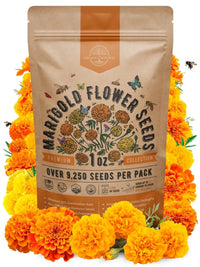
Marigold Seeds PackHeirloom, non-GMOBright blooms that repel cabbage pests and draw pollinators to the greens bed.
Price$12.99Starting at$8.99
Sale

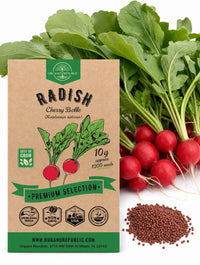
Cherry Belle Radish Seeds – Non-GMO HeirloomHeirloom, non-GMOQuick radishes share mizuna's cool season and lure flea beetles away from it.
Price$4.99Starting at$3.99
Sale

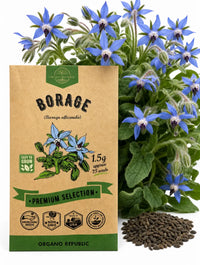
Borage Seeds – Non-GMO HeirloomHeirloom, non-GMOBorage flowers bring bees and beneficial insects into the salad patch.
Price$5.99Starting at$4.99
Harvest
Uses
Common problems
Frequently asked questions
What is mizuna and how is it different from arugula or mustard?
Mizuna is a Japanese mustard green with feathery, deeply notched leaves and slender white stems. It has a mild, mildly peppery flavor, gentler than sharp mustard greens and less nutty than arugula, which makes it a versatile all-purpose salad and stir-fry green.
Does mizuna bolt in hot weather?
Mizuna is more bolt-resistant than many mustards, but sustained heat and long summer days will still push it to flower. For the most tender leaves, grow it in the cool of spring and fall, keep it evenly watered, and cut it regularly, since frequent harvesting delays flowering.
Can I grow mizuna indoors or in containers?
Yes, it is one of the best greens for pots and windowsills. Sow it thickly in a shallow container of moist potting mix, give it a bright spot or a grow light, and snip baby leaves in a few weeks. It also does well in hydroponic setups and salad-table planters.
How many times can I harvest one mizuna planting?
Usually two to four cuttings. Shear the whole plant about an inch above the crown without damaging it, and it regrows a fresh flush of leaves in a week or two. Each round is a little smaller, so resow every few weeks to keep a steady supply coming.
Do you eat mizuna raw or cooked?
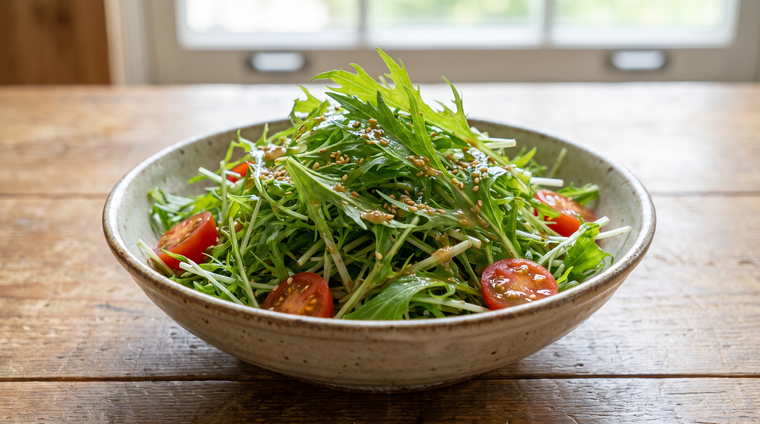
Both. Young mizuna is excellent raw in salads and sandwiches, where its feathery leaves add a mild peppery lift. Larger leaves are great lightly cooked, wilted into stir-fries, soups, pasta, or ramen at the very end so they keep their color and bite.
What pests affect mizuna?
Like other brassicas, mizuna can attract flea beetles, which pepper the leaves with tiny holes, plus aphids and cabbage worms. A light row cover over young plants is the simplest defense, and quick, frequent harvests mean you pick the leaves before pests do much damage.

Mizuna Seeds – Non-GMO HeirloomHeirloom, non-GMOMild, feathery Japanese mustard green for cut-and-come-again salads.
Price$4.99
Want more than mizuna? These salad and greens sets both include mizuna seeds, plus many more leaves to grow:
Sale

Lettuce & Greens Seeds Variety Pack – Non-GMO Heirloom22 varieties, mizuna includedA bigger salad-garden collection of lettuces and greens, mizuna included.
Price$12.99Starting at$9.99
Sale

Greens & Vegetable Seeds Variety Pack – Non-GMO Heirloom75 varieties, mizuna includedA big greens-and-veg box for the whole garden, mizuna included.
Price$63.99
Sale Price$59.99

- Choosing a selection results in a full page refresh.









 Easy Returns 30-day guarantee