


How to Grow Mache (Corn Salad) From Seed
Updated July 2026
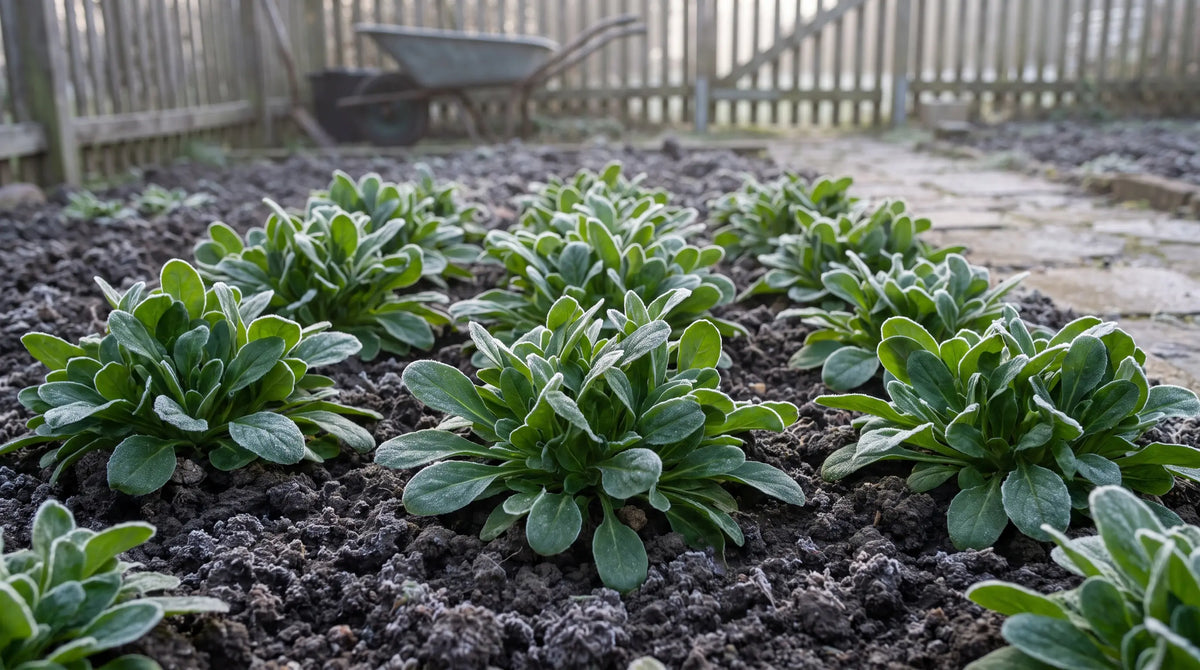
Mache (Valerianella locusta), also called corn salad or lamb's lettuce, is a tiny, remarkably cold-hardy salad green that grows in low rosettes of tender, spoon-shaped leaves. Its mild, nutty, buttery flavor has none of the bitterness of chicories, and it thrives in the cold, giving fresh salad through fall and winter when almost nothing else is growing. The one rule: it will not sprout in warm soil. Here is how to grow mache from seed, start to finish.
Ready to grow your own? Shop Mache - Corn Salad Seeds from Organo Republic.
Best tip
At a glance
 Botanical name Botanical name | Valerianella locusta |
|---|---|
 Plant type Plant type | Cold-hardy annual |
 USDA zones USDA zones | 3 to 9 (a cold-season green) |
 Sun Sun | Full sun to part shade |
 Days to maturity Days to maturity | 50 to 70 days |
 Height Height | 3 to 6 inches |
 Spacing Spacing | Thin to 3 inches |
 Water Water | Keep evenly moist while establishing |
When to plant
How to plant
Growing and care
Sale

Mycorrhizal Fungi GranulesFeeds roots naturallyMix a little into the bed to help mache roots take up water and nutrients.
Price$39.99Starting at$29.99
The best companion plants
Sale

Nasturtium Seeds for Sale – Non-GMO HeirloomHeirloom, non-GMONasturtium draws aphids off and its sprawl helps shelter low mache rosettes.
Price$14.99Starting at$6.99
Sale

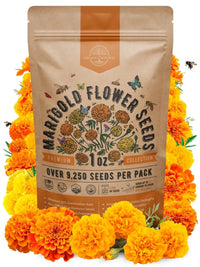
Marigold Seeds PackHeirloom, non-GMOMarigolds nearby help deter soil pests and bring in beneficial insects.
Price$12.99Starting at$8.99
Sale

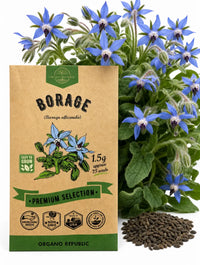
Borage Seeds – Non-GMO HeirloomHeirloom, non-GMOBorage pulls in pollinators early and shares mache's love of cool, rich soil.
Price$5.99Starting at$4.99
Sale

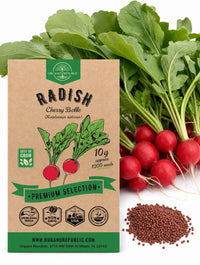
Cherry Belle Radish Seeds – Non-GMO HeirloomHeirloom, non-GMOQuick radishes make a fine cool-weather row-mate and come out before mache spreads.
Price$4.99Starting at$3.99
Harvest
Uses
Common problems
Frequently asked questions
What is mache and what does it taste like?
Mache, also called corn salad or lamb's lettuce, is a small, cold-hardy salad green that grows in low rosettes of tender, spoon-shaped leaves. It has a mild, slightly nutty, buttery flavor with none of the bitterness of chicories, which makes it a favorite winter and early-spring green.
How cold-hardy is mache?
Very. Mache is one of the toughest salad greens, shrugging off hard frost and, once established under a little mulch or row cover, surviving into the low teens or even single digits Fahrenheit. In many regions it overwinters in the open garden and gives fresh salad when little else is growing.
When should I plant mache?
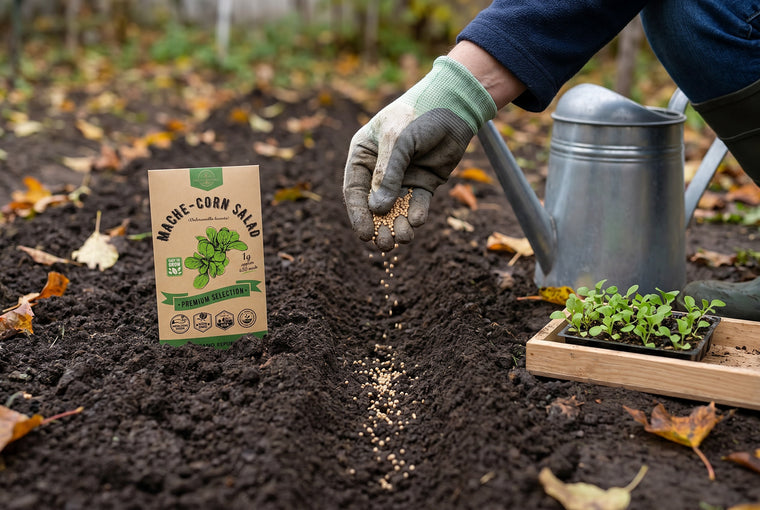
Sow in late summer through early fall for fall and winter harvests, which is when mache shines, and again in very early spring. Avoid sowing in warm soil: above about 70F the seed goes dormant and germinates poorly, so wait until temperatures drop below the mid-60s.
Why is my mache slow to germinate?
Mache is naturally slow, taking about 10 to 14 days to sprout, and it germinates best in cool soil around 50 to 60F. Warm soil is the usual culprit for poor stands. Sow into cooling late-summer or fall ground, keep it consistently moist, and be patient.
How do you harvest mache?
Harvest whole rosettes by cutting at the base once they are a couple of inches across, usually 50 or more days from sowing, or snip individual outer leaves and let the plant keep going. Pick before warm spring weather arrives, since heat sends it quickly to flower.
How do you use mache in the kitchen?
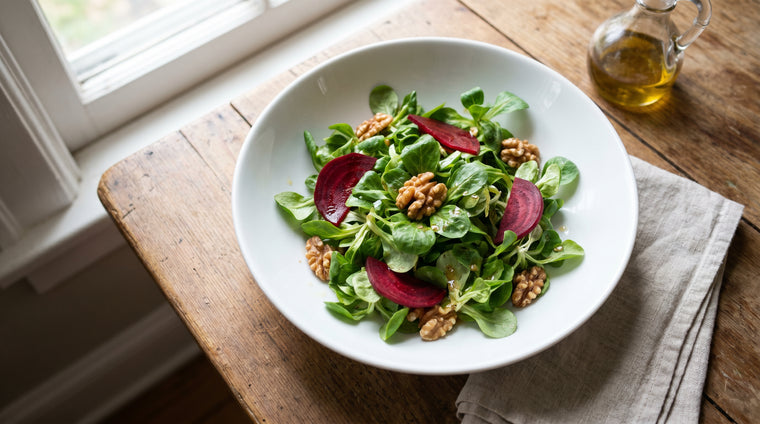
Use mache raw and simple. Its mild, nutty leaves are lovely on their own with a light walnut or hazelnut oil vinaigrette, or paired with beets, apples, and nuts. Add it just before serving, since the delicate rosettes wilt fast once dressed.

Mache Seeds (Corn Salad) – Non-GMO HeirloomHeirloom, non-GMOMache (corn salad): tender, cold-hardy rosettes for winter greens.
Price$4.99
Want more than mache? These value sets all include corn salad seeds, plus many more salad greens:
Sale

Vegetable Seeds Variety Pack55 varieties, mache included55 heirloom vegetables, about 11,500 seeds, mache corn salad included.
Price$21.99Starting at$17.99

- Choosing a selection results in a full page refresh.









 Easy Returns 30-day guarantee