


How to Grow Peas From Seed
Updated July 2026
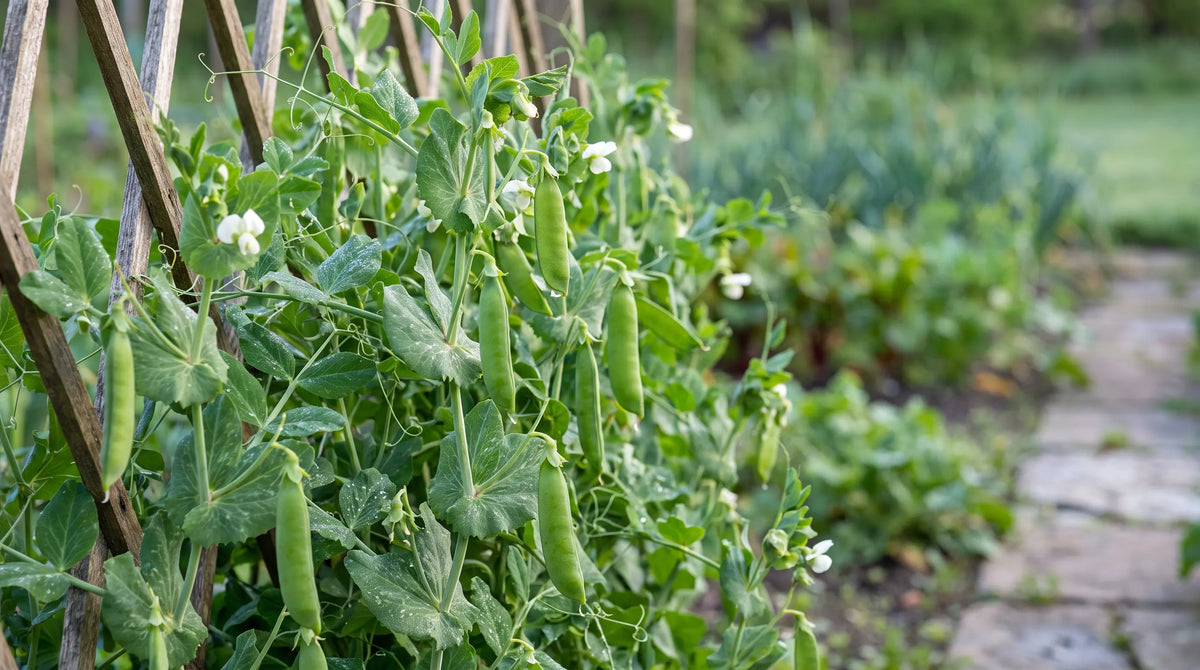
Garden peas (Pisum sativum) are one of the first crops you can sow each year, and there is nothing like eating them sweet and raw straight from the pod. They are a cool-season legume that you direct-sow in early spring, and vining types climb a trellis with their own tendrils while they quietly enrich the soil with nitrogen. Sow early, give them a support, and keep the water steady, and you will be picking pods before the summer heat arrives. This guide walks you through growing peas from seed, from that first early sowing to a steady harvest of tender pods.
Growing a specific variety?
Pea varieties: Bistro
Best tip
At a glance
 Botanical name Botanical name | Pisum sativum |
|---|---|
 Plant type Plant type | Cool-season annual legume |
 USDA zones USDA zones | 2 to 11 (grown as a cool-season annual) |
 Sun Sun | Full sun to part shade (6+ hours) |
 Days to maturity Days to maturity | 60 to 70 days |
 Height Height | 2 to 6 ft on a trellis |
 Spacing Spacing | 2 inches apart in the row |
 Water Water | 1 inch per week, steady |
When to plant
How to plant
Growing and care
Sale

Mycorrhizal Fungi GranulesFeeds roots naturallyMix a little into the trench at sowing to help pea roots settle in and get off to a strong start.
Price$39.99Starting at$29.99
The best companion plants
Sale

Nasturtium Seeds for Sale – Non-GMO HeirloomCompanion plantNasturtium lures aphids away from tender pea shoots and adds edible flowers to the bed.
Price$14.99Starting at$6.99
Sale

Marigold Seeds PackCompanion plantMarigolds at the base of the pea trellis deter pests and draw in pollinators.
Price$12.99Starting at$8.99
Sale

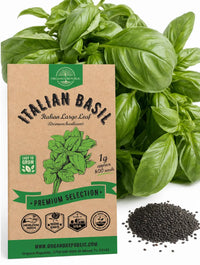
Holy Basil Seeds – Tulsi, Non-GMO HeirloomCompanion plantBasil grows happily near peas and adds a fragrant harvest from the same bed.
Price$4.99Starting at$3.99
Harvest
Uses
Common problems
Frequently asked questions
When should I plant peas?
Peas are a cool-season crop, so sow them early. Direct-sow outdoors as soon as the soil can be worked in spring, usually 4 to 6 weeks before your last frost, once the soil is above 45F. In mild-winter regions you can also sow a fall crop about 8 to 10 weeks before your first frost. Peas dislike heat and stop producing once summer turns hot.
Do peas need a trellis?
Tall vining and climbing types definitely benefit from support, and a trellis, netting, or twiggy branches keep the pods clean and easy to pick. Set the support up at sowing time so you do not disturb the roots later. Dwarf or bush peas grow only 2 to 3 feet and can lean on each other, but even they crop better with a low support.
How long do peas take to grow from seed?
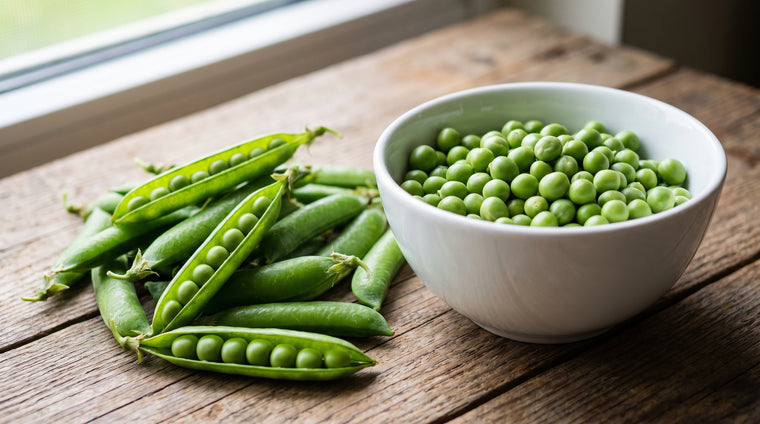
Most peas are ready to pick about 60 to 70 days after sowing. Seeds germinate in 7 to 14 days in cool soil, faster as it warms. Once the plants start flowering, pods are usually ready to pick within a couple of weeks.
How deep and far apart do I plant pea seeds?
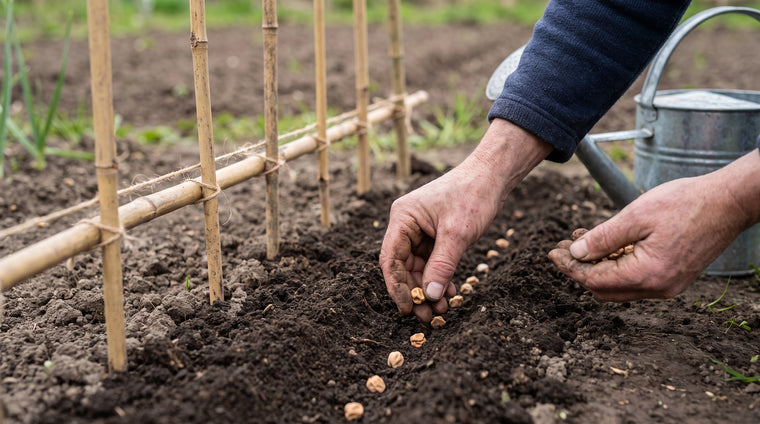
Sow pea seeds about 1 inch deep and 2 inches apart in the row, in rows 18 to 24 inches apart, or in a double row on each side of a trellis. Peas do not transplant well, so direct-sow them where they will grow. There is no need to thin, since they crop happily close together.
Should I soak pea seeds before planting?
You can soak pea seeds in water for a few hours, or overnight at most, to speed up germination, especially in cool spring soil. Do not soak them longer, as they can rot. Soaking is optional, and peas sown straight into moist soil come up fine on their own.
Do peas improve the soil?
Yes. Peas are legumes, and with the right soil bacteria their roots fix nitrogen from the air, leaving the bed a little richer for the next crop. When the plants finish, cut them off at soil level and leave the roots in the ground so that nitrogen stays behind. Follow peas with a leafy, nitrogen-hungry crop to make the most of it.
Sale

Vegetable Seeds Variety Pack55 varieties, peas includedA big 55-variety vegetable collection with peas and everything else for a full season.
Price$21.99Starting at$17.99
Want more than peas? These value sets all include pea seeds, plus many more vegetables:

- Choosing a selection results in a full page refresh.









 Easy Returns 30-day guarantee