


How to Grow Pumpkins From Seed
Updated July 2026
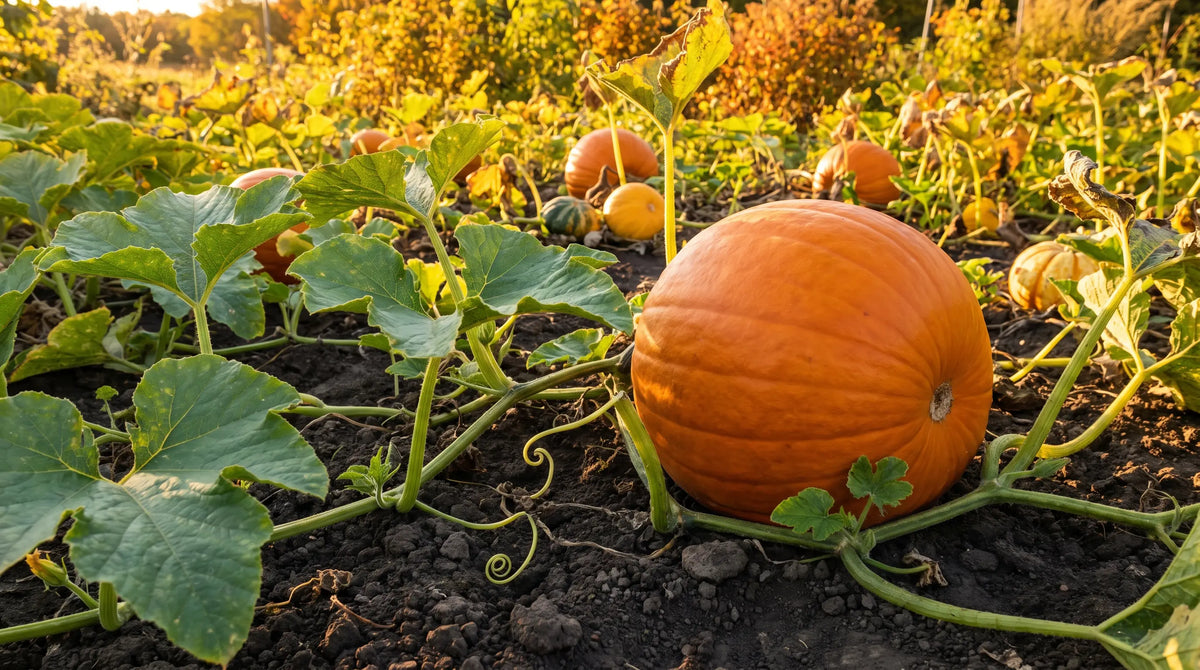
Few plants say fall like a pumpkin, and the family is far bigger than the one on the porch. There are small, sweet pie or sugar pumpkins bred for smooth puree and baking; big carving and field pumpkins, the deep-orange kind you hollow into jack-o-lanterns; giant pumpkins grown for record-breaking size; and mini and ornamental types that make tidy decorations. All are warm-season vines that grow the same basic way, asking for a sunny spot, rich soil, steady water, and a long, hot summer, with days to maturity running roughly 90 to 120 depending on the variety. This guide walks you through when to sow, how to space and pollinate the vines, and how to ripen and cure your harvest, whichever pumpkins you choose to grow.
Growing a specific variety?
Best tip
At a glance
 Botanical name Botanical name | Cucurbita pepo |
|---|---|
 Plant type Plant type | Warm-season annual vine |
 USDA zones USDA zones | 3 to 9 (grown as a summer annual) |
 Sun Sun | Full sun (6 to 8 hours) |
 Days to maturity Days to maturity | 90 to 120 days depending on variety |
 Height Height | Vines sprawl 10 to 20 ft |
 Spacing Spacing | Thin to 2 to 3 plants per hill, hills 4 to 6 ft apart |
 Water Water | 1 to 2 inches per week, steady |
When to plant
How to plant
Growing and care
Sale

Mycorrhizal Fungi GranulesFeeds roots naturallyMix a little into the planting hill to boost pumpkin's roots.
Price$39.99Starting at$29.99
The best companion plants
Sale

Nasturtium Seeds for Sale – Non-GMO HeirloomHeirloom, non-GMONasturtiums draw squash bugs and beetles away from pumpkin vines and pull in pollinators.
Price$14.99Starting at$6.99
Sale

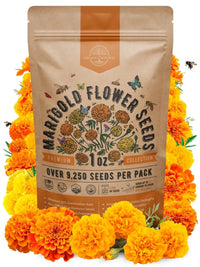
Marigold Seeds PackHeirloom, non-GMOMarigolds help hold down beetles and nematodes across a sprawling pumpkin patch.
Price$12.99Starting at$8.99
Sale

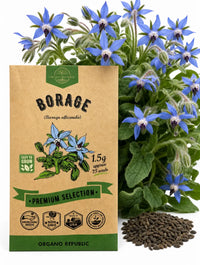
Borage Seeds – Non-GMO HeirloomHeirloom, non-GMOBorage pulls in the bees that pumpkin flowers need to set fruit.
Price$5.99Starting at$4.99
Sale

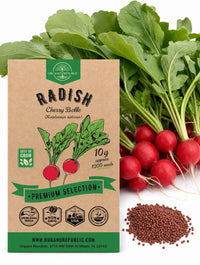
Cherry Belle Radish Seeds – Non-GMO HeirloomHeirloom, non-GMOFast radishes work as a trap crop that lures beetles off young pumpkin plants.
Price$4.99Starting at$3.99
Harvest
Uses
Common problems
Frequently asked questions
How long does it take to grow a pumpkin from seed?
It depends on the type. Days to maturity run roughly 90 to 120, with small pie and mini pumpkins finishing first and big carving and giant types taking the longest. In warm regions you can direct-sow after the last frost and still finish in time. Where summers are short, start seeds indoors two to three weeks early, or choose a quicker-maturing variety, so the vines get the full stretch of warm weather they need.
How many pumpkins does one plant produce?
It varies by type. A big carving or field pumpkin vine usually ripens two to five good-sized fruit, while smaller pie and mini types can set many more. If you want fewer but larger pumpkins, pinch off the extra baby fruit early and let the vine pour its energy into the ones you keep. Steady water and rich soil make a real difference in the final count.
Why does my pumpkin have flowers but no fruit?
Pumpkins open male flowers first, often for a week or more before the female flowers with a tiny pumpkin at the base appear, so early blooms with no fruit are normal. Once both are open, bees have to carry pollen from male to female flowers for fruit to set. Plant flowers nearby to draw in pollinators, or hand-pollinate on a calm morning if bees are scarce.
How do I know when a pumpkin is ripe, and how do I cure it?
A ripe pumpkin turns deep, even color, usually orange but white, tan, blue, or striped in some varieties, with a hard rind that resists a press from your thumbnail, and the stem goes corky and dry. Cut it with a few inches of stem attached and never carry it by the stem. Let the pumpkins cure in a warm, dry spot for about ten days to harden the skin, which helps them keep for months.
How much space do pumpkins need?
It depends on the variety. Big carving and field pumpkins are sprawling vines that can run 10 to 20 feet, so give them room, with hills set 4 to 6 feet apart. Compact bush, pie, and mini types stay smaller and fit hills 3 to 4 feet apart. Crowded pumpkins get more mildew and smaller fruit, so err on the side of extra space, or pick a compact variety for a tight garden.
Can I grow pumpkins in a small garden or container?
Large carving and field pumpkins are a lot to ask of a tight space, but you can still grow pumpkins small by getting creative. Train the vines up a sturdy trellis or let them run across a lawn to save bed space. For a true patio or container setup, choose a compact bush-type or mini pumpkin variety, which will be a far easier fit and still give you plenty of fruit.
Sale

Vegetable Seeds Variety Pack55 vegetable varietiesFifty-five heirloom vegetables in one big value pack — a whole kitchen garden in a box.
Price$21.99Starting at$17.99
Want more than pumpkins? These value sets all include pumpkin seeds, plus many more vegetables:
Sale

Summer Vegetable Seeds Variety Pack – Non-GMO Heirloom25 varieties, pumpkin includedA summer garden of fruiting crops, pumpkin included.
Price$27.99
Sale Price$24.99
Sale
Vegetable Seeds Variety Pack55 varieties, pumpkin includedOur biggest vegetable collection with 55 varieties, pumpkin included.
Price$21.99Starting at$17.99

- Choosing a selection results in a full page refresh.









 Easy Returns 30-day guarantee