


How to Grow Cucumbers From Seed
Updated July 2026
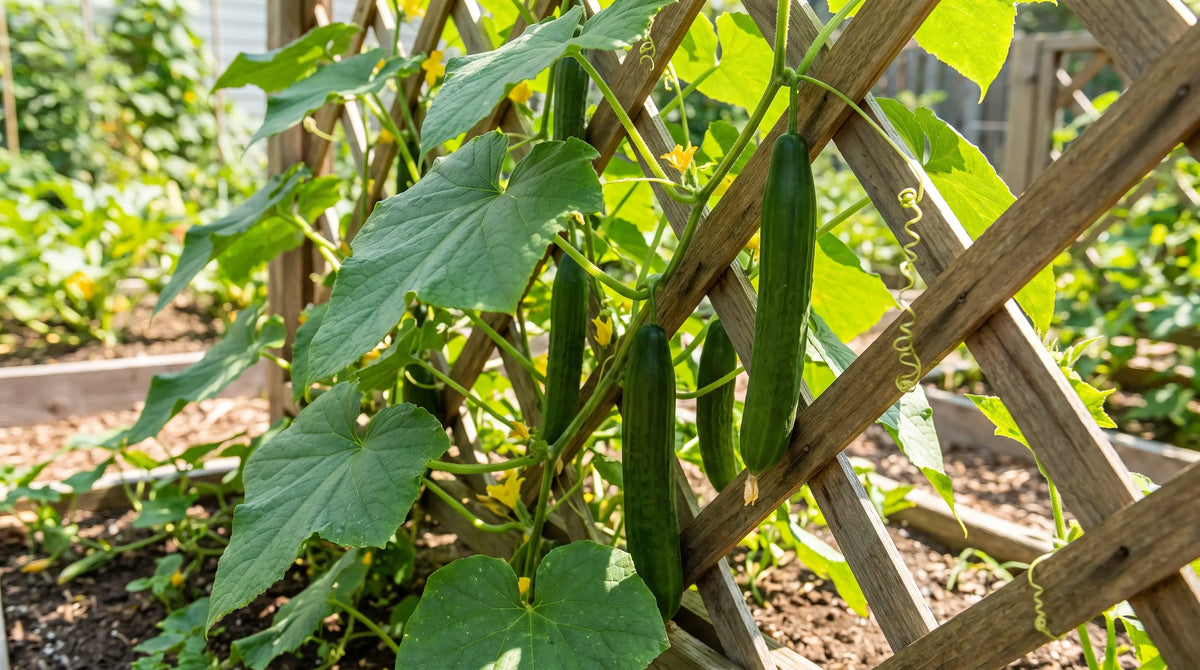
Cucumbers are one of the most rewarding crops for a summer garden: give them warmth, sun, and steady water and a few plants will hand you crisp fruit for weeks, from the salad bowl to the pickle jar. This guide walks you through how to grow cucumbers from seed, from sowing into warm soil to trellising, watering, and picking at the right moment.
Growing a specific variety?
Best tip
At a glance
 Botanical name Botanical name | Cucumis sativus |
|---|---|
 Plant type Plant type | Warm-season annual vine |
 USDA zones USDA zones | 3 to 11 (grown as a summer annual) |
 Sun Sun | Full sun (6 to 8 hours) |
 Days to maturity Days to maturity | 55 to 65 days |
 Height Height | 6 to 8 ft on a trellis |
 Spacing Spacing | Thin to 12 inches apart |
 Water Water | 1 to 2 inches per week, steady |
When to plant
How to plant
Growing and care
Sale

Mycorrhizal Fungi GranulesFeeds roots naturallyMix a little into the planting hole to boost cucumber's roots.
Price$39.99Starting at$29.99
The best companion plants
Sale

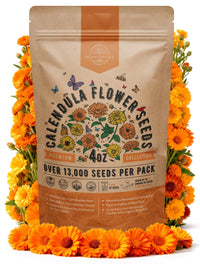
Nasturtium Seeds for Sale – Non-GMO HeirloomHeirloom, non-GMONasturtiums lure aphids and cucumber beetles away and pull in pollinators for better fruit set.
Price$14.99Starting at$6.99
Sale

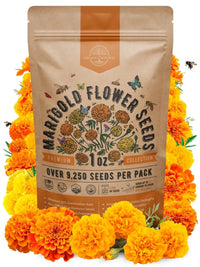
Marigold Seeds PackHeirloom, non-GMOMarigolds help keep beetles and nematodes down and brighten the cucumber patch all summer.
Price$12.99Starting at$8.99
Sale

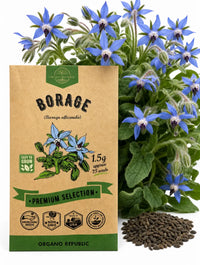
Borage Seeds – Non-GMO HeirloomHeirloom, non-GMOBorage flowers are a bee magnet, so nearby cucumber blooms get visited and set more fruit.
Price$5.99Starting at$4.99
Sale

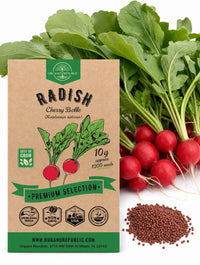
Cherry Belle Radish Seeds – Non-GMO HeirloomHeirloom, non-GMORadishes sown among cucumbers act as a trap crop that draws cucumber beetles off the vines.
Price$4.99Starting at$3.99
Harvest
Uses
Common problems
Frequently asked questions
How long do cucumbers take to grow from seed?
Cucumber seeds sprout in about 7 to 10 days in warm soil, and most varieties give you pickable fruit 55 to 65 days after sowing. Warmth speeds everything up, so cucumbers direct-sown into warm June soil often catch up with plants started earlier in cold ground.
Why are my cucumbers bitter?
Bitterness comes from stress, mainly heat and uneven watering, and it concentrates near the stem end and skin. Keep the soil evenly moist, mulch to steady the temperature, and pick fruit while young. Peeling and trimming the stem end also removes most of the bitter taste.
Do cucumbers need a trellis?
Vining cucumbers do not strictly need one, but a trellis saves space, keeps fruit off the soil so it stays clean and straight, and improves airflow to reduce disease. Bush varieties are compact enough to sprawl in a bed or grow in a large container without support.
Why does my cucumber plant have flowers but no fruit?
Cucumbers produce lots of male flowers first, before the female flowers with tiny fruit behind them appear, so early bloom without fruit is normal. If female flowers form but drop, it is usually poor pollination. Grow flowers nearby to draw bees, or hand-pollinate on a cool morning by dabbing pollen from a male flower into the females.
How often should I pick cucumbers?
Check the vines every day or two once they start fruiting and pick as soon as cucumbers reach full size, around 6 to 8 inches for slicers and 2 to 4 inches for picklers. Frequent harvesting keeps the plant producing, while a single fruit left to mature and yellow tells the vine to stop making more.
Can I grow cucumbers in a container?
Yes. Use a pot of at least 5 gallons with drainage, fill it with rich potting mix, and give a compact or bush variety a small trellis or cage. Containers dry out fast, so water daily in hot weather and feed every couple of weeks to keep the fruit coming.

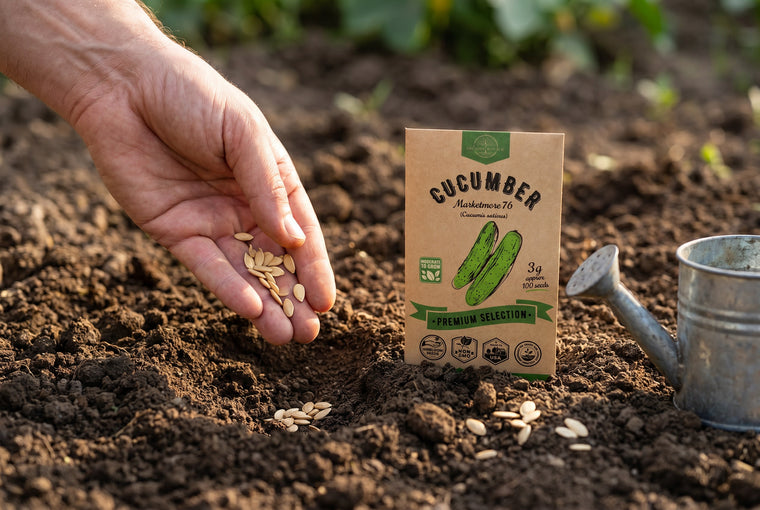
Marketmore 76 Cucumber Seeds – Non-GMO HeirloomHeirloom, non-GMOHeirloom Marketmore 76: crisp, disease-resistant slicing cucumbers.
Price$4.99
Want more than cucumbers? These value sets all include cucumber seeds, plus many more vegetables:
Sale

Summer Vegetable Seeds Variety Pack – Non-GMO Heirloom25 varieties, cucumber includedA summer garden of fruiting crops, cucumber included, for warm-season harvests.
Price$27.99
Sale Price$24.99
Sale

Vegetable Seeds Variety Pack55 varieties, cucumber includedOur biggest vegetable collection with 55 varieties, cucumber included.
Price$21.99Starting at$17.99
Sale

Greens & Vegetable Seeds Variety Pack – Non-GMO Heirloom75 varieties, cucumber includedA 75-variety greens and vegetable starter kit, cucumber included.
Price$63.99
Sale Price$59.99

- Choosing a selection results in a full page refresh.









 Easy Returns 30-day guarantee