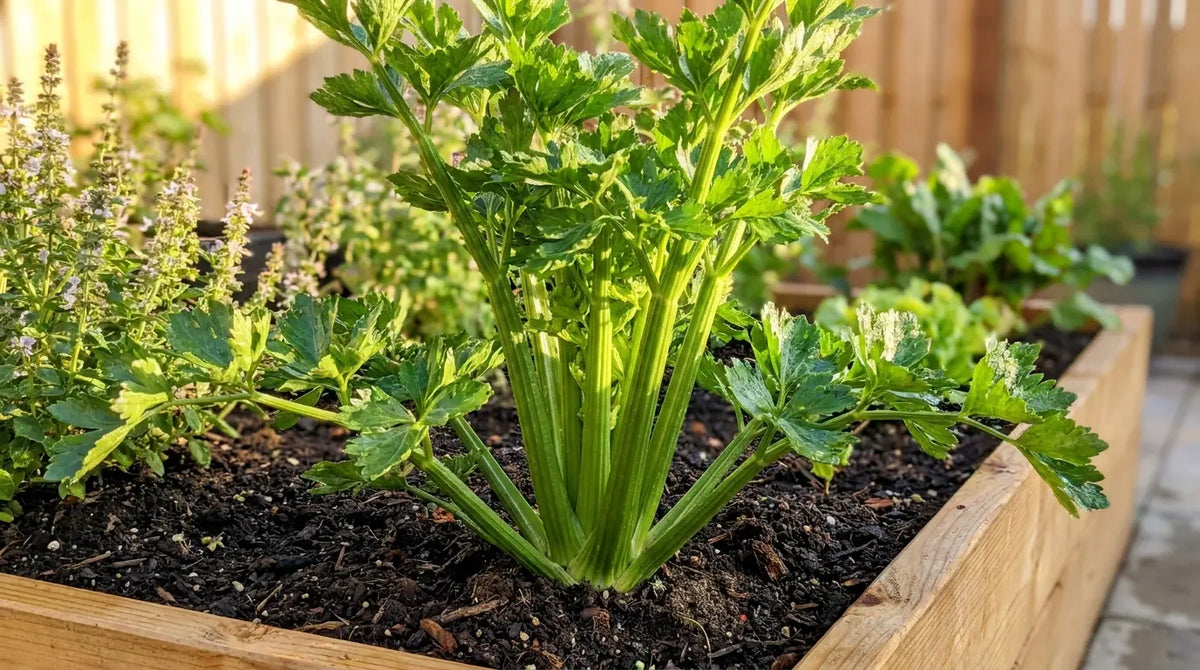
Lush full-grown celery plant with crisp green stalks growing in a sunny garden bed

How to Grow Celery From Seed

Updated July 2026

Celery (Apium graveolens) has a reputation for being tricky, and it earns it: the seeds are tiny and slow, the season is long, and the plants want steady water from start to finish. But learn how to grow celery with an early indoor start and rich, constantly moist soil, and you get crisp, fragrant stalks far better than the supermarket kind. This guide walks you from surface-sowing the seeds through blanching and harvest.

Best tip

Water is everything with celery. Grow it in a slightly sunken bed or trench and mulch heavily, so the roots stay wet even when you miss a day. Steady moisture, not fancy fertilizer, is what turns out crisp, sweet stalks.

At a glance

Botanical nameApium graveolens
Plant typeCool-season biennial grown as an annual
USDA zones2 to 10 (grown in the cool season)
SunFull sun to partial shade
Days to maturity100 to 130 days from transplant
Height24 to 30 inches
Spacing6 to 8 inches apart
WaterHeavy; keep soil constantly moist

When to plant

Celery is a cool-season crop with a long, slow schedule, so plan backward from your last spring frost. Start seeds indoors about 10 weeks before that date, because germination is slow and the plants need a big head start. Move seedlings out only after the danger of frost has passed and nights stay above about 50F, since a hard cold snap can trick young celery into bolting later. In mild-winter areas it also does beautifully as a fall and winter crop, sown in late summer to mature in the cool months.

How to plant

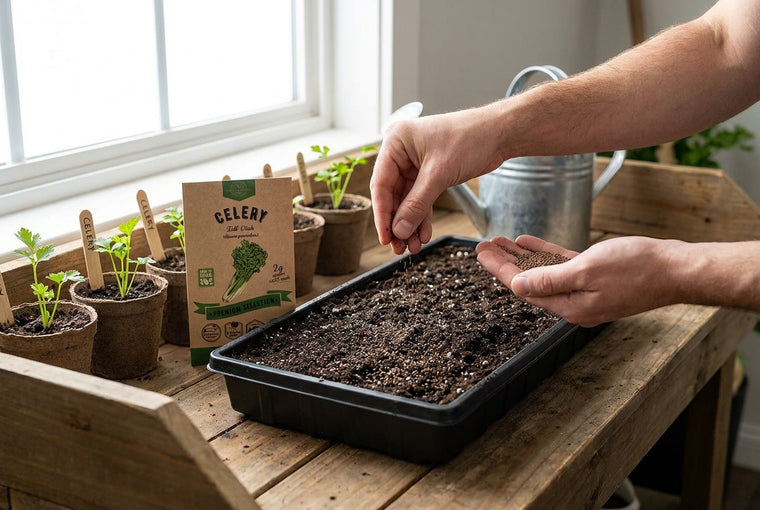
Celery seeds are tiny and need light to sprout, so surface-sow them: scatter the seeds over moist seed-starting mix and press them in gently, without covering. Soaking the seeds overnight first helps them along. Keep the tray at 70 to 75F and constantly moist, and be patient, because germination takes 14 to 21 days. Transplant seedlings into their own pots once they are a couple of inches tall, then harden them off and set them in the garden 6 to 8 inches apart in rows about 2 feet apart. Celery is a heavy feeder that loves rich, moisture-holding soil, so work in plenty of compost before planting.

Surface-sow tiny celery seeds indoors, pressed in but not covered, since they need light.

Growing and care

Celery has one non-negotiable rule: never let it dry out. It has shallow roots and a big appetite, so water deeply and often to keep the soil constantly moist, mulch to hold that moisture, and feed every couple of weeks with compost or a balanced fertilizer. Steady, uninterrupted growth is what gives you tender, sweet stalks instead of stringy, bitter ones. Climate really sets the pace here: in hot regions like Texas, Florida, and the Deep South, grow celery as a fall-through-spring crop, since summer heat above the mid-80s stresses it and hot spells after a cold start can trigger bolting. In cooler places like the Pacific Northwest, the Northeast, and the upper Midwest, a long spring planting or a fall crop suits its love of steady, mild weather.

SaleMycorrhizal Fungi Granules
Mycorrhizal Fungi GranulesFeeds roots naturallyMix a little into the planting hole to boost celery's roots.
Price$39.99Starting at$29.99
View product

The best companion plants

Celery is slow and low, which leaves room for good neighbors that guard it and fill the gaps. These four make especially good companions, and you can add any of them in one click:

SaleNasturtium Seeds for Sale – Non-GMO Heirloom
Nasturtium Seeds for Sale – Non-GMO HeirloomHeirloom, non-GMOA magnet for aphids, luring them off your celery, and its flowers pull in pollinators.
Price$14.99Starting at$6.99
View product
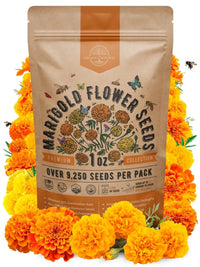
SaleMarigold Seeds Pack
Marigold Seeds PackHeirloom, non-GMOIts scent helps deter aphids and other pests that bother celery.
Price$12.99Starting at$8.99
View product
SaleBorage Seeds – Non-GMO Heirloom
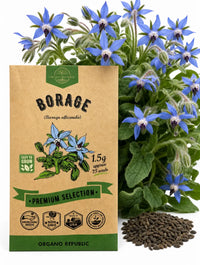
Borage Seeds – Non-GMO HeirloomHeirloom, non-GMOIts blue blooms bring in bees and beneficial insects that patrol the bed.
Price$5.99 Sale Price$4.99
View product
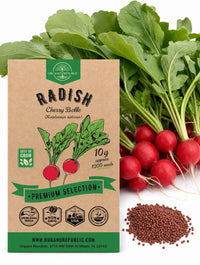
SaleCherry Belle Radish Seeds – Non-GMO Heirloom
Cherry Belle Radish Seeds – Non-GMO HeirloomHeirloom, non-GMOA fast catch crop that matures and clears out long before slow celery fills in.
Price$4.99Starting at$3.99
View product

Celery will not forgive dry soil. Even a short drought turns the stalks tough, stringy, and bitter, and stress from heat or a cold snap early on can make it bolt to seed. Keep the water steady, the soil rich, and the season cool.

Harvest

You can start picking outer stalks once they are about 8 inches tall, cutting them at the base and leaving the center to keep growing, or wait and harvest the whole head by cutting it at soil level. For milder, sweeter stalks, blanch the plant in its final week or two by wrapping the stalks with newspaper or mounding soil around them to block the light, leaving the leafy tops exposed. Do not toss the leaves, they carry a concentrated celery flavor and are great in stocks and salads.

Uses

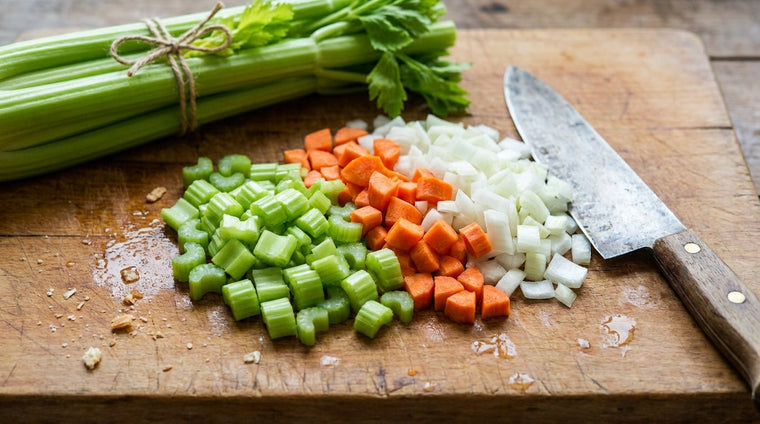
Homegrown celery is more fragrant and flavorful than the supermarket kind. Dice the stalks with onion and carrot for the mirepoix that starts soups, stews, and stuffing, or chop them into salads, tuna, and chicken salad for crunch. Eat the ribs raw with dips, braise them as a side, or juice them. Save the leaves for stocks and garnishes, and let a plant go to seed to harvest celery seed for spice blends and pickling.

Crisp homegrown celery, chopped for soups, mirepoix, and fresh snacks.

Common problems

  • Slow or patchy germination: soak seeds overnight, surface-sow without covering since they need light, and keep the mix at 70 to 75F and constantly moist.
  • Stringy, bitter stalks: caused by dry soil, heat, or slow growth. Water steadily, feed regularly, and blanch the last week or two.
  • Bolting: a cold snap after transplanting, or summer heat, makes celery flower early. Wait for settled warm nights to plant out and grow it in the cool season.
  • Cracked or hollow stalks: usually uneven watering or a boron shortage. Keep moisture even and the soil rich in organic matter.

Frequently asked questions

How long does celery take to germinate?

Celery is slow to sprout. At a steady 70 to 75F it usually germinates in about 14 to 21 days, and sometimes longer. Surface-sow the tiny seeds and press them in without covering, since they need light to germinate, and soaking overnight before sowing helps speed things along.

Can you direct sow celery, or should you start it indoors?

Celery has a long season and slow, fussy germination, so almost everyone starts it indoors about 10 weeks before the last spring frost and transplants seedlings out after frost has passed. Direct sowing only works in areas with very long, mild growing seasons; for most gardeners, an indoor head start is the reliable path.

How do you blanch celery for a milder flavor?

Blanching means shielding the stalks from sunlight for the last week or two before harvest so they turn paler, sweeter, and less bitter. Once plants are about 12 inches tall, wrap the stalks with newspaper or cardboard up to the leaves, or mound loose soil around them, leaving the leafy tops exposed.

Why is my celery stringy or bitter?

Stringy, bitter stalks almost always come down to stress, usually dry soil, heat, or slow growth. Celery needs steady moisture and rich soil to grow fast and tender, so water consistently, feed regularly, and blanch the stalks in the final weeks for a milder, less fibrous crop.

What grows well next to celery?

Celery pairs nicely with nasturtium and marigold, which help draw pests away, borage, which brings in pollinators and beneficial insects, and quick radishes as a catch crop between the slow-growing plants. Cabbage-family crops and bush beans also make good neighbors.

Can you grow celery in containers?

Yes. Use a deep pot at least 8 inches wide per plant, fill it with rich, moisture-retentive potting mix, and set it where it gets full sun but stays cool. The main challenge in a container is water, since celery dries out fast, so check the soil often and never let it go dry.

Ready to grow your own? Start with a packet of heirloom, non-GMO Tall Utah celery for crisp, full-flavored stalks straight from the garden.

SaleTall Utah Celery Seeds – Non-GMO Heirloom
Tall Utah Celery Seeds – Non-GMO HeirloomHeirloom, non-GMOTall Utah, a classic full-flavored variety that grows crisp green stalks.
Price$6.99 Sale Price$4.99
View product

Want more than celery? These value sets all include celery seeds, plus many more vegetables and herbs:

SaleVegetable Seeds Variety Pack
Vegetable Seeds Variety Pack55 varieties, celery includedA big vegetable garden in one box, from greens and roots to peppers and celery.
Price$21.99Starting at$17.99
View product
SaleHerb & Vegetable Seeds Variety Pack – Non-GMO Heirloom
Herb & Vegetable Seeds Variety Pack – Non-GMO Heirloom75 varieties, celery includedHerbs and vegetables together, including celery, packed in a wooden storage box.
Price$63.99 Sale Price$59.99
View product
Maxim Kaufman, Founder and CEO of Organo Republic

By Maxim Kaufman — Founder & CEO, Organo Republic

Maxim founded Organo Republic in 2017 and personally selects, tests, and grows the heirloom, non-GMO varieties the company offers. Under his leadership, Organo Republic was named Agri Business Review’s Top Non-GMO Seed Variety Solution 2026.

Stay Connected

Join Our Garden Community

Daily garden inspiration, how-to videos & behind-the-seeds stories.