


How to Grow Kohlrabi From Seed
Updated July 2026
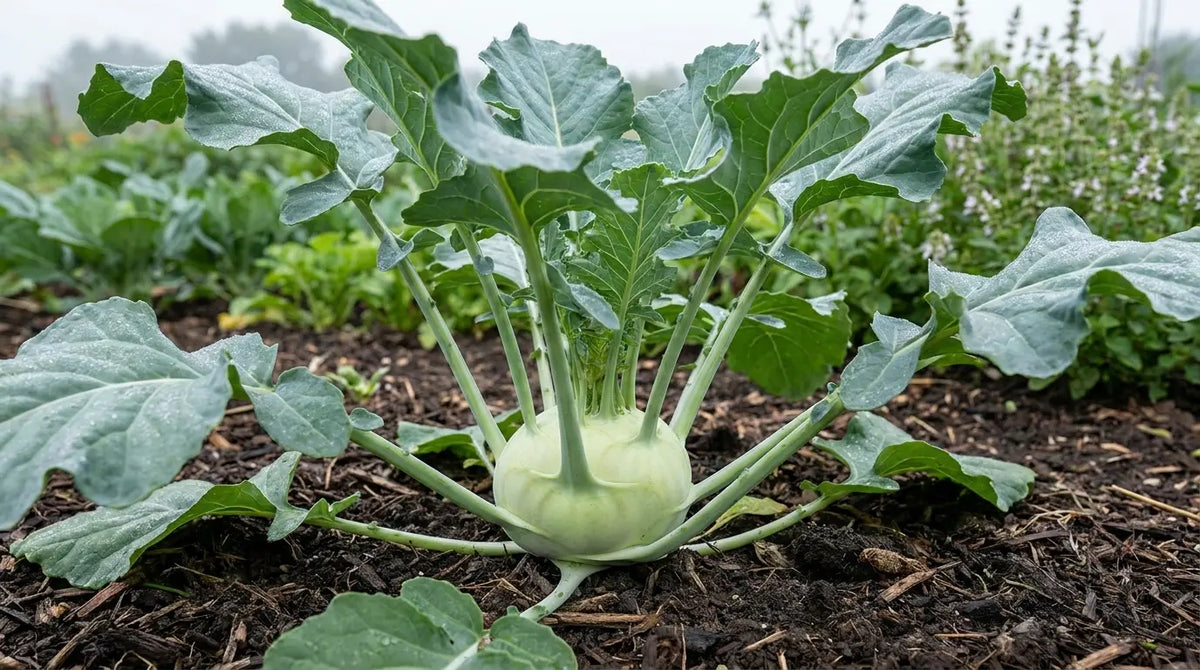
Kohlrabi is the friendly alien of the vegetable garden: a swollen, crisp stem that grows just above the soil and tastes like a sweeter, milder broccoli. It is also one of the fastest crops you can grow. This guide covers how to grow kohlrabi from seed, from direct sowing and thinning to picking the bulb at just the right size before it turns woody.
Best tip
At a glance
 Botanical name Botanical name | Brassica oleracea var. gongylodes |
|---|---|
 Plant type Plant type | Fast cool-season annual vegetable |
 USDA zones USDA zones | 2 to 11 (grown as a cool-season annual) |
 Sun Sun | Full sun (6 or more hours) |
 Days to maturity Days to maturity | 50 to 55 days (White Vienna) |
 Height Height | 10 to 14 inches |
 Spacing Spacing | Thin to 4 to 6 inches apart, rows 10 to 12 inches |
 Water Water | 1 to 1.5 inches a week; keep evenly moist |
When to plant
How to plant
Growing and care
The best companion plants
Sale

Nasturtium Seeds for Sale – Non-GMO HeirloomHeirloom, non-GMOA brassica trap crop: flea beetles and cabbage worms head for nasturtium instead of your kohlrabi.
Price$14.99Starting at$6.99
Sale

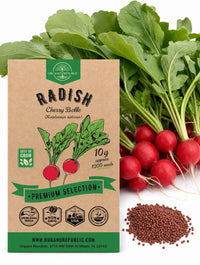
Cherry Belle Radish Seeds – Non-GMO HeirloomHeirloom, non-GMOQuick radishes lure flea beetles off young kohlrabi and share the same cool-season bed.
Price$4.99Starting at$3.99
Sale

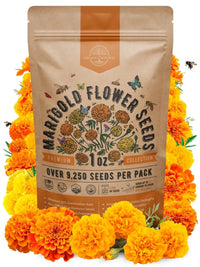
Marigold Seeds PackHeirloom, non-GMOMarigolds deter pests and pull in the hoverflies and wasps that hunt cabbage worms.
Price$12.99Starting at$8.99
Sale

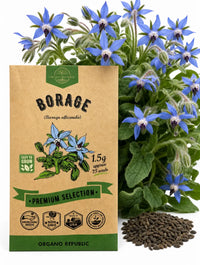
Borage Seeds – Non-GMO HeirloomHeirloom, non-GMOBorage brings in bees and beneficial insects and makes a good living mulch beside brassicas.
Price$5.99Starting at$4.99
Harvest
Uses
Common problems
Frequently asked questions
How long does kohlrabi take to grow from seed?
Kohlrabi is fast. White Vienna is ready in about 50 to 55 days from sowing, when the bulb reaches 2 to 3 inches across. Because it matures so quickly, you can sow small batches every couple of weeks for a steady supply.
When should you harvest kohlrabi?
Harvest when the swollen bulb is about 2 to 3 inches across, roughly the size of a tennis ball. Do not wait for it to get bigger: oversized bulbs turn woody, tough, and bitter. Cut the bulb off at the base and trim the leaves.
What part of kohlrabi do you eat?
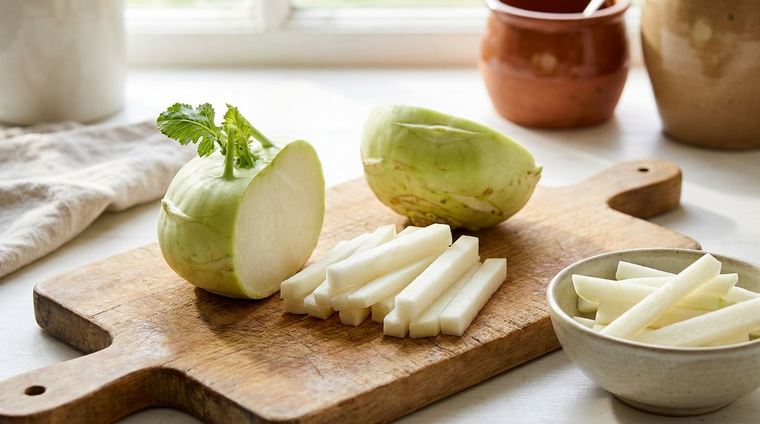
You eat the swollen round stem, or bulb, which grows just above the soil, not a root. Peel off its tough skin and eat the crisp inside raw or cooked. The leaves are edible too and can be cooked like kale or collards, so nothing is wasted.
Do you direct-sow kohlrabi or transplant it?
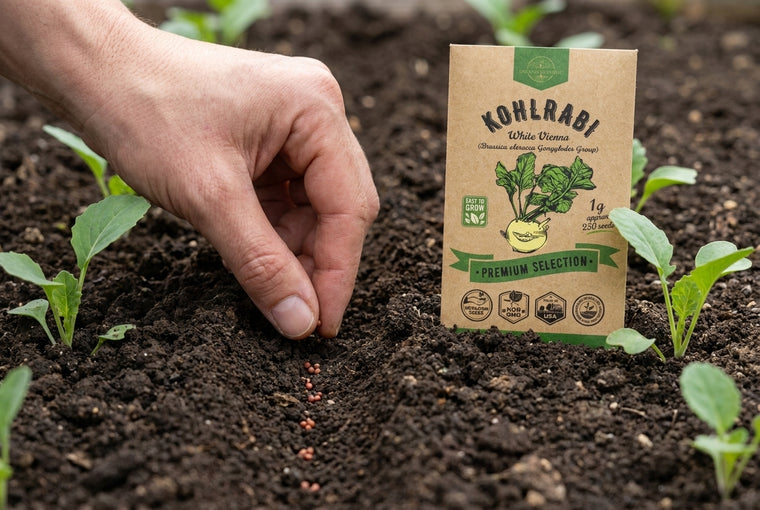
Kohlrabi is usually direct-sown because it grows so fast and dislikes root disturbance. Sow a quarter to half an inch deep right where it will grow and thin to 4 to 6 inches apart. You can transplant young seedlings if you are gentle, but direct sowing is simplest.
Why is my kohlrabi woody or not forming a bulb?
Woody bulbs come from harvesting too late or from heat and drought stress. Plants that never bulb up were usually crowded, underwatered, or grown in hot weather. Keep kohlrabi in cool conditions, thin it properly, water evenly, and pick the bulbs young.
When should I plant kohlrabi?
Sow kohlrabi in cool weather. Start in early spring, about 2 to 4 weeks before your last frost, for a spring crop, and again in late summer for a fall crop. Because it matures in under two months, you can slip it in around slower vegetables.
Sale

White Vienna Kohlrabi Seeds – Non-GMO HeirloomHeirloom, non-GMOHeirloom White Vienna: crisp, mild kohlrabi bulbs in under two months.
Price$4.99Starting at$3.99
Want more than kohlrabi? These value sets all include kohlrabi seeds, plus many more vegetables:
Sale

Vegetable Seeds Variety Pack55 varieties, kohlrabi included55 heirloom vegetable varieties, kohlrabi included, to fill a whole garden.
Price$21.99Starting at$17.99
Sale

Greens & Vegetable Seeds Variety Pack – Non-GMO Heirloom75 varieties, kohlrabi included75 greens and vegetable varieties, a big garden in one box, kohlrabi included.
Price$63.99
Sale Price$59.99

- Choosing a selection results in a full page refresh.









 Easy Returns 30-day guarantee