


How to Grow Eggplant From Seed
Updated July 2026
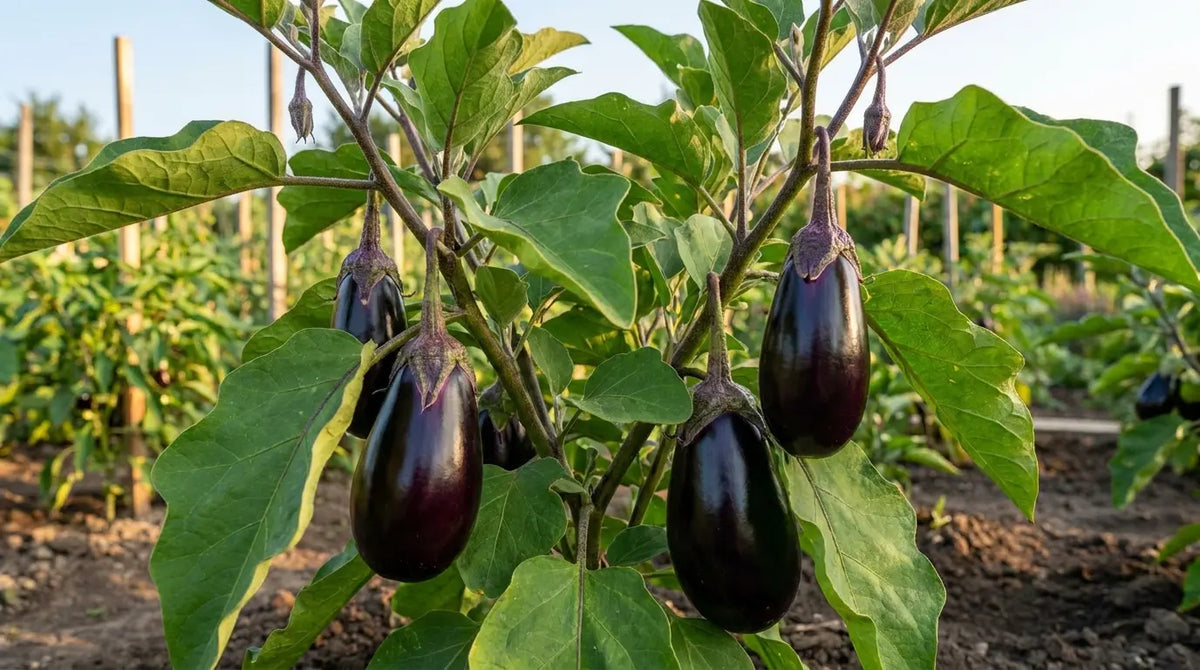
Eggplant (Solanum melongena) is a heat-loving, high-yielding vegetable that rewards a little patience with glossy purple fruit all summer. This guide covers how to grow eggplant from seed the reliable way, starting it indoors on warmth, moving it out only once the nights are warm, and harvesting the fruit young and shiny before it turns bitter. Heirloom Black Beauty is the classic choice for home gardens, and it suits beginners and seasoned growers alike.
Best tip
At a glance
 Botanical name Botanical name | Solanum melongena |
|---|---|
 Plant type Plant type | Warm-season annual (tender perennial) |
 USDA zones USDA zones | 5 to 12 (grown as an annual) |
 Sun Sun | Full sun |
 Days to maturity Days to maturity | 75 to 90 days from transplant |
 Height Height | 24 to 36 inches |
 Spacing Spacing | 18 to 24 inches apart |
 Water Water | Regular; keep evenly moist |
When to plant
How to plant
Growing and care
Sale

Mycorrhizal Fungi GranulesFeeds roots naturallyMix a little into the planting hole to boost eggplant's roots.
Price$39.99Starting at$29.99
The best companion plants
Sale

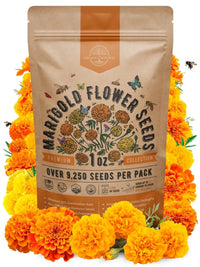
Marigold Seeds PackHeirloom, non-GMOMarigolds deter root-knot nematodes and lure pests away from eggplant.
Price$12.99Starting at$8.99
Sale

Nasturtium Seeds for Sale – Non-GMO HeirloomHeirloom, non-GMOA living trap crop for aphids and flea beetles, drawing them off your eggplant.
Price$14.99Starting at$6.99
Sale

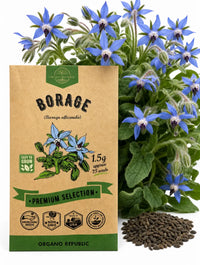
Borage Seeds – Non-GMO HeirloomHeirloom, non-GMOIts blue flowers bring in bees and hoverflies that pollinate and protect eggplant.
Price$5.99Starting at$4.99
Sale

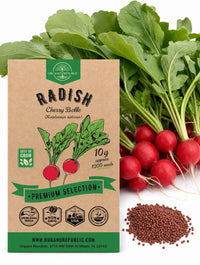
Cherry Belle Radish Seeds – Non-GMO HeirloomHeirloom, non-GMOFast radishes fill space between young eggplants and help pull off flea beetles.
Price$4.99Starting at$3.99
Harvest
Uses
Common problems
Frequently asked questions
How long does eggplant take to grow from seed?
Plan on about four to five months total. Seeds germinate in 7 to 14 days, seedlings need 6 to 8 weeks indoors before transplanting, and most varieties then take another 70 to 90 days in the garden to reach harvest. Black Beauty matures in roughly 75 to 90 days after transplanting.
When should I transplant eggplant seedlings outside?
Wait until the danger of frost has passed and nighttime lows stay consistently above 50 to 55F, with daytime highs averaging around 70F. Eggplant is very cold-sensitive, and seedlings set out too early may stall and never fully recover, so it is worth waiting a week or two past your last frost date.
Why is my eggplant flowering but not setting fruit?
Poor fruit set usually comes down to temperature. Eggplant drops its blossoms when nights fall below about 60F or days climb above 95F, and low pollinator activity does not help. Keep plants warm but not scorching, water evenly, and gently shake the flowering stems or plant pollinator-friendly borage nearby to improve pollination.
Can you grow eggplant in containers or pots?
Yes, eggplant grows very well in containers, which is handy in cooler climates because the soil warms faster. Use a pot at least 5 gallons per plant with rich, well-drained mix, place it in full sun, stake the plant, and water consistently since pots dry out quickly in summer heat.
How much sun and space does eggplant need?
Eggplant needs full sun, at least 6 to 8 hours a day, to fruit well. Space plants about 18 to 24 inches apart in rows 30 to 36 inches apart. Good spacing keeps airflow up and disease down, and a stake or small cage keeps the fruit-heavy plants from toppling.
What are the most common eggplant pests and how do I stop them?
Flea beetles are the biggest headache, chewing tiny holes in young leaves, followed by aphids, spider mites, and Colorado potato beetles. Cover young plants with row cover until they are established, keep them well watered, hand-pick larger beetles, and plant marigold and nasturtium nearby to draw pests away.
Sale

Black Beauty Eggplant Seeds – Non-GMO HeirloomHeirloom, non-GMOHeirloom Black Beauty: the classic glossy, deep-purple eggplant.
Price$4.99Starting at$3.99
Want more than eggplant? These value sets all include eggplant seeds, plus many more vegetables:
Sale

Greens & Vegetable Seeds Variety Pack – Non-GMO Heirloom75 varieties, eggplant includedA big greens-and-vegetable starter kit with eggplant among 75 varieties.
Price$63.99
Sale Price$59.99

- Choosing a selection results in a full page refresh.













 Easy Returns 30-day guarantee