


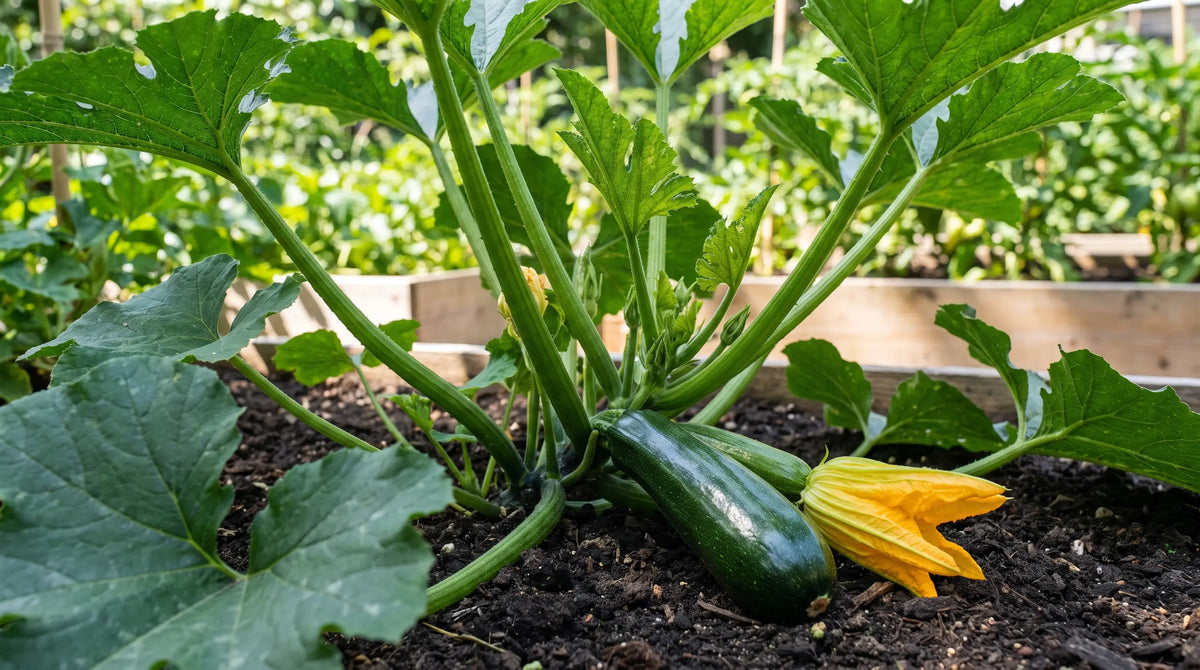
How to Grow Zucchini From Seed
Updated July 2026
Zucchini is one of the most rewarding crops for a beginner: heirloom, non-GMO seeds go straight in the ground, sprout fast in warm soil, and just a plant or two will keep a whole family in fresh squash all summer. This guide walks you through sowing, care, beating the common pests, and harvesting so the fruit keeps coming.
Best tip
At a glance
 Botanical name Botanical name | Cucurbita pepo |
|---|---|
 Plant type Plant type | Warm-season annual |
 USDA zones USDA zones | 3-11 (as a summer annual) |
 Sun Sun | Full sun |
 Days to maturity Days to maturity | 55-60 days |
 Height Height | 2-3 ft (bushy) |
 Spacing Spacing | 24-36 inches apart |
 Water Water | 1-2 inches per week, steady |
When to plant
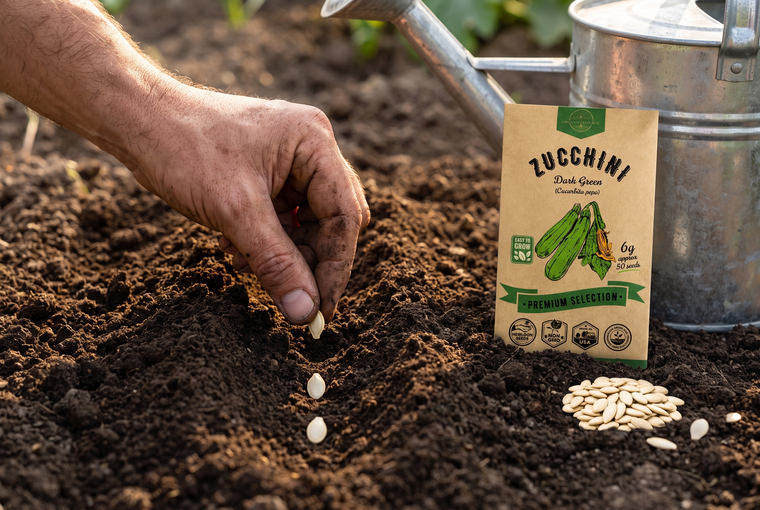
How to plant
Growing and care
Sale

Mycorrhizal Fungi GranulesFeeds roots naturallyMix a little into the planting hole to boost zucchini's roots.
Price$39.99Starting at$29.99
The best companion plants
Sale

Nasturtium Seeds for Sale – Non-GMO HeirloomHeirloom, non-GMONasturtiums lure aphids and squash bugs away and pull in pollinators for better fruit set.
Price$14.99Starting at$6.99
Sale

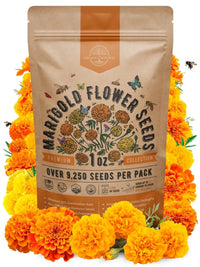
Marigold Seeds PackHeirloom, non-GMOMarigolds help hold down beetles and nematodes around the zucchini patch.
Price$12.99Starting at$8.99
Sale

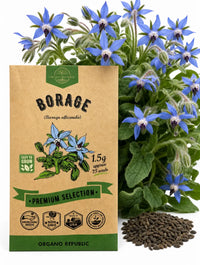
Borage Seeds – Non-GMO HeirloomHeirloom, non-GMOBorage is a bee magnet, so nearby zucchini blossoms get visited and set more fruit.
Price$5.99Starting at$4.99
Sale

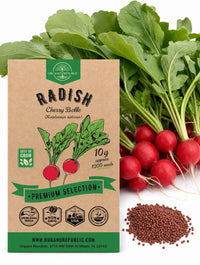
Cherry Belle Radish Seeds – Non-GMO HeirloomHeirloom, non-GMORadishes sown among the vines act as a trap crop that pulls beetles off the zucchini.
Price$4.99Starting at$3.99
Harvest
Uses
Common problems
Frequently asked questions
How long does zucchini take to germinate?
Zucchini seeds usually sprout in 7 to 14 days once the soil is warm, around 70F. If nothing comes up after two weeks, the soil was likely too cold or wet, so wait for warmer weather and resow.
Why does my zucchini have lots of flowers but no fruit?
Early in the season a plant often opens only male flowers, and fruit comes once female flowers appear and bees carry pollen between them. If pollinators are scarce, hand-pollinate by brushing a male flower into the center of a female bloom, which is the one with a tiny zucchini behind it.
Why is the tip of my zucchini rotting?
A soft, sunken brown tip is blossom-end rot, and it comes from uneven watering that keeps the plant from moving calcium to the fruit. Water steadily so the soil never fully dries out, and add mulch to hold moisture between waterings.
How do I stop squash vine borers?
Borers lay eggs at the base of the stem, so wrap or mound soil over the lower stem and check often for a small entry hole with sawdust-like frass. Sowing a second crop in late summer also lets you dodge the peak borer window in many regions.
How often should I pick zucchini?
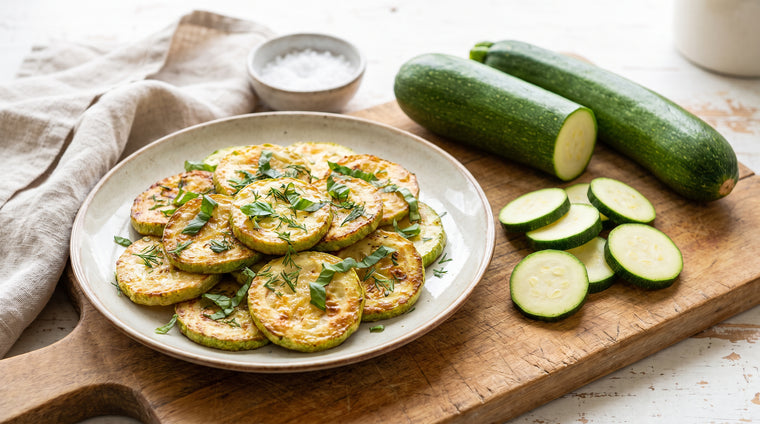
At peak season check plants every day and harvest when fruit is 6 to 8 inches long. Frequent picking keeps the fruit tender and tells the plant to keep producing, while a single overgrown zucchini can slow everything down.
Can I grow zucchini in a container?
Yes, a bushy zucchini does well in a large pot of at least 5 gallons with good drainage and full sun. Container plants dry out faster, so water often and feed every few weeks to keep the harvest going.
Sale

Black Beauty Zucchini Seeds – Non-GMO HeirloomHeirloom, non-GMOHeirloom dark green zucchini: fast, heavy yields all summer from just a plant or two.
Price$4.99Starting at$3.99
Want more than zucchini? These value sets all include zucchini seeds, plus many more vegetables:
Sale

Summer Vegetable Seeds Variety Pack – Non-GMO Heirloom25 varieties, zucchini includedA summer garden of fruiting crops, zucchini included.
Price$27.99
Sale Price$24.99
Sale

Vegetable Seeds Variety Pack55 varieties, zucchini includedOur biggest vegetable collection with 55 varieties, zucchini included.
Price$21.99Starting at$17.99

- Choosing a selection results in a full page refresh.















 Easy Returns 30-day guarantee