


How to Grow Parsnips From Seed
Updated July 2026
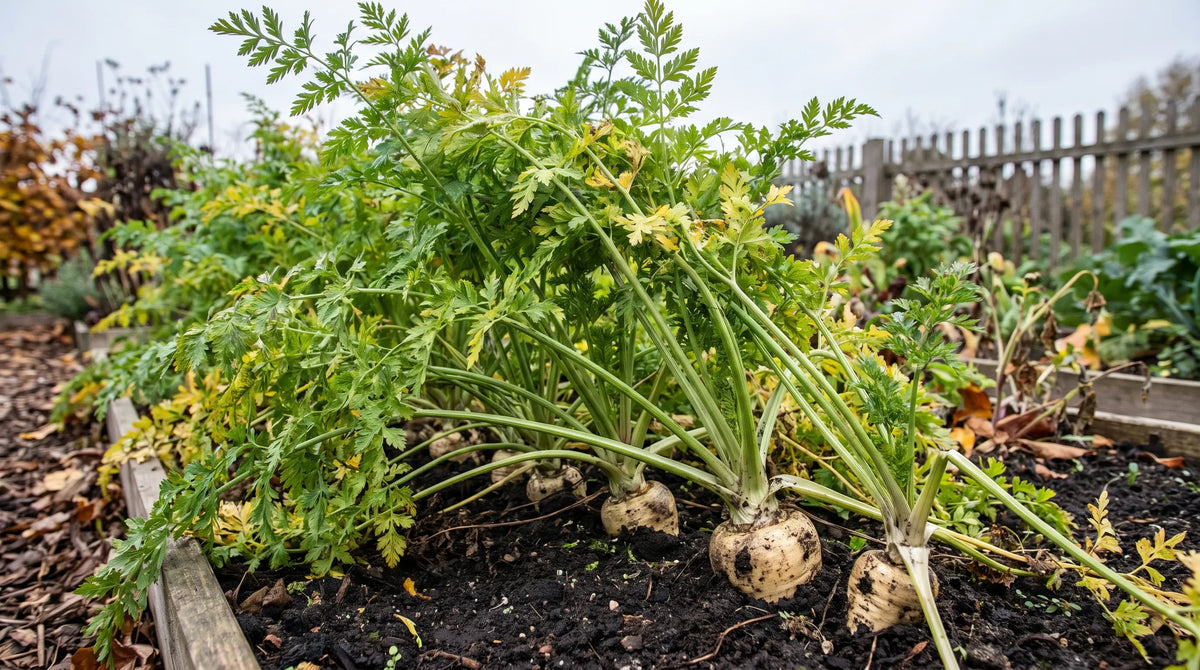
Parsnips (Pastinaca sativa) are a patient gardener's reward, a long-season root whose sweet, nutty flavor only deepens after a hard frost. You direct-sow them in spring using fresh seed, keep the bed constantly moist through their slow two to three week germination, then leave the roots to fatten and sweeten in the ground until late fall. Give them a deep, stone-free bed so the long taproots grow straight, and you will be digging sweet parsnips to roast all winter. This guide walks you through growing parsnips from seed, from that tricky germination to a frost-sweetened harvest.
Best tip
At a glance
 Botanical name Botanical name | Pastinaca sativa |
|---|---|
 Plant type Plant type | Cool-season biennial grown as an annual |
 USDA zones USDA zones | 2 to 9 (grown as a cool-season annual) |
 Sun Sun | Full sun to part shade (6 hours) |
 Days to maturity Days to maturity | 100 to 120 days |
 Height Height | 12 to 18 in tops |
 Spacing Spacing | Thin to 3 to 4 inches apart |
 Water Water | 1 inch per week, steady |
When to plant
How to plant
Growing and care
Sale

Mycorrhizal Fungi GranulesFeeds roots naturallyWork these granules into the deep, loose bed parsnips need so their long taproots grow strong and straight.
Price$39.99Starting at$29.99
The best companion plants
Sale

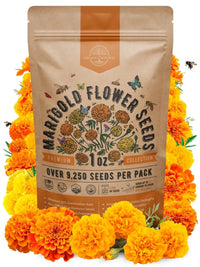
Marigold Seeds PackCompanion plantMarigolds near the parsnip row deter root pests and draw in beneficial insects.
Price$12.99Starting at$8.99
Sale

Nasturtium Seeds for Sale – Non-GMO HeirloomCompanion plantNasturtium sprawls as a living mulch and lures aphids away from the parsnip tops.
Price$14.99Starting at$6.99
Sale

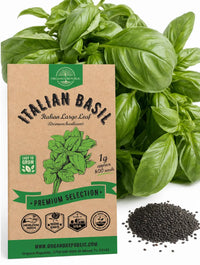
Holy Basil Seeds – Tulsi, Non-GMO HeirloomCompanion plantBasil is a fragrant neighbor that helps confuse pests hunting for the parsnip bed.
Price$4.99Starting at$3.99
Harvest
Uses
Common problems
Frequently asked questions
When should I plant parsnips?
Sow parsnips in spring, from a few weeks before your last frost through late spring, once the soil is workable and above about 45F. They need a long season of 100 to 120 days, so getting them in early gives the roots time to size up by fall. In mild-winter regions you can also sow in late summer for a winter harvest.
Why won't my parsnip seeds germinate?
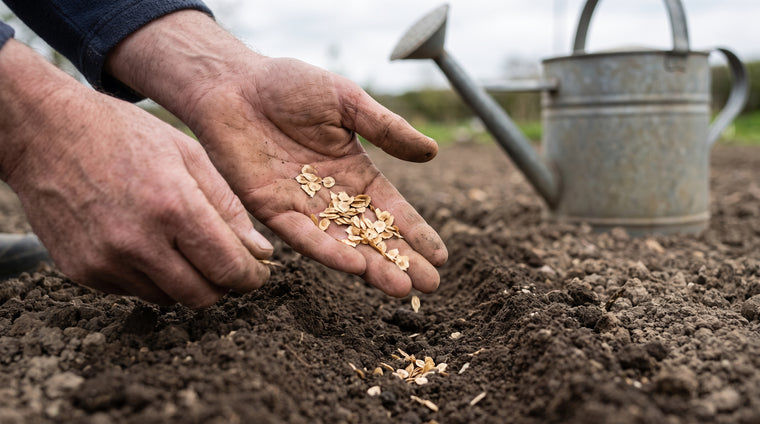
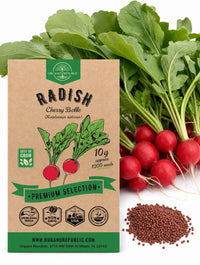
Parsnip seed is famously slow and short-lived. Always use fresh seed from the current year, since it loses viability fast, and be patient, because germination can take 2 to 3 weeks. Keep the seedbed constantly moist during that time, as a single dry spell will kill the sprouting seeds. Sowing a few radish seeds in the same row marks it and keeps the soil from crusting.
How long do parsnips take to grow?
Parsnips are a long-season crop, usually needing 100 to 120 days from sowing to harvest. They are one of the last things you plant that you harvest, often pulling the roots in late fall and winter, months after sowing in spring. The wait is worth it for their sweet, nutty flavor.
Do parsnips taste better after a frost?
Yes. Cold weather triggers parsnips to convert some of their starch into sugar, so the roots turn noticeably sweeter and nuttier after a hard frost or two. This is why parsnips are traditionally left in the ground into late fall and winter and harvested as needed. You can even leave them over winter under a mulch of straw.
How do I get long, straight parsnip roots?
Parsnips send down a long taproot, so they need deep, loose, stone-free soil. Dig the bed over well and remove stones and clods before sowing, and avoid fresh manure, which causes roots to fork. Do not transplant parsnips, since disturbing the taproot makes it split or twist; always direct-sow them where they will grow.
Can I leave parsnips in the ground over winter?
Yes, and many gardeners prefer to. Parsnips are very cold-hardy, and leaving them in the ground through winter both stores them and sweetens them. Cover the row with a thick straw mulch so you can still dig the roots when the ground would otherwise be frozen, and lift them before they start to regrow in spring, as they turn woody once they resprout.
Sale

Vegetable Seeds Variety Pack55 varieties, parsnips includedA big 55-variety vegetable collection with parsnips and everything else for a full season.
Price$21.99Starting at$17.99
Want more than parsnips? These value sets all include parsnip seeds, plus many more vegetables:

- Choosing a selection results in a full page refresh.











 Easy Returns 30-day guarantee