


How to Grow Radicchio From Seed
Updated July 2026
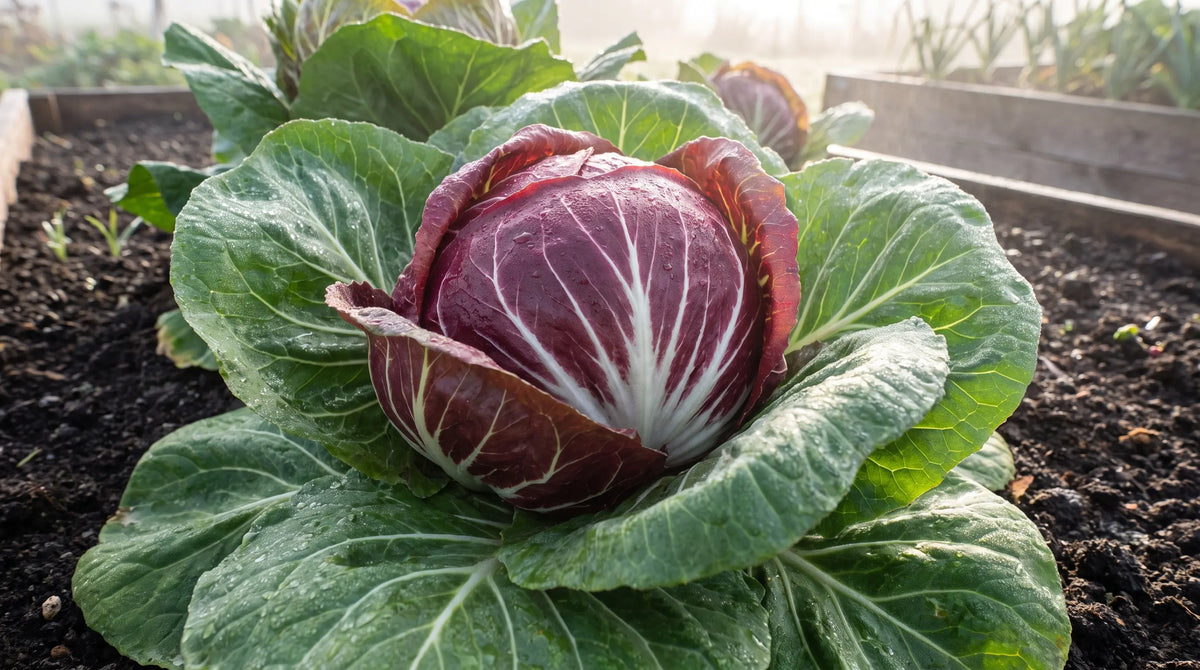
Radicchio (Cichorium intybus var. foliosum) is a leaf chicory grown for its tight, burgundy-red heads streaked with white veins. It looks like a small red cabbage but belongs to the same family as endive and dandelion, which is where its striking color and pleasant bitterness come from. Grown well, and blanched and matured in cool fall weather, it turns crisp and mellow, a jewel in the autumn garden. Here is how to grow radicchio from seed, start to finish.
Best tip
At a glance
 Botanical name Botanical name | Cichorium intybus var. foliosum |
|---|---|
 Plant type Plant type | Cool-season biennial grown as an annual |
 USDA zones USDA zones | 4 to 9 (grown as a cool-season crop) |
 Sun Sun | Full sun to light shade |
 Days to maturity Days to maturity | 80 to 100 days |
 Height Height | 8 to 12 inches |
 Spacing Spacing | Thin to 8 to 10 inches |
 Water Water | Regular; keep evenly moist |
When to plant
How to plant
Growing and care
Sale

Mycorrhizal Fungi GranulesFeeds roots naturallyMix a little into the bed to help radicchio roots take up water and nutrients.
Price$39.99Starting at$29.99
The best companion plants
Sale

Nasturtium Seeds for Sale – Non-GMO HeirloomHeirloom, non-GMONasturtium lures aphids away and its low sprawl shades soil around young radicchio.
Price$14.99Starting at$6.99
Sale

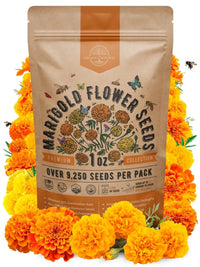
Marigold Seeds PackHeirloom, non-GMOMarigolds edging the bed help deter soil pests and pull in beneficial insects.
Price$12.99Starting at$8.99
Sale

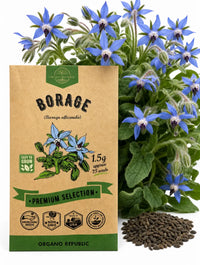
Borage Seeds – Non-GMO HeirloomHeirloom, non-GMOBorage brings in bees and predatory insects and gets along well with leafy chicories.
Price$5.99Starting at$4.99
Sale

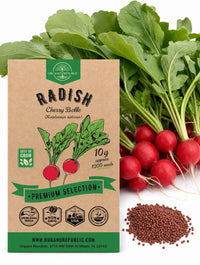
Cherry Belle Radish Seeds – Non-GMO HeirloomHeirloom, non-GMOQuick radishes fill the rows while slow radicchio heads up, then come out first.
Price$4.99Starting at$3.99
Harvest
Uses
Common problems
Frequently asked questions
What is radicchio and is it a lettuce?
Radicchio is a type of chicory, not a lettuce, grown for its tight burgundy-red heads streaked with white veins. It looks like a small red cabbage but belongs to the same family as endive and dandelion, which is where its signature pleasant bitterness comes from.
Why is my radicchio not forming a head?
Most often it is heat. Radicchio needs cool weather to tighten into a head, so heads set best in fall as temperatures drop. Warm spells keep it loose and leafy. Some older varieties also head more reliably if you cut the loose top growth back once to trigger a fresh, firm heart.
How do you make radicchio less bitter?
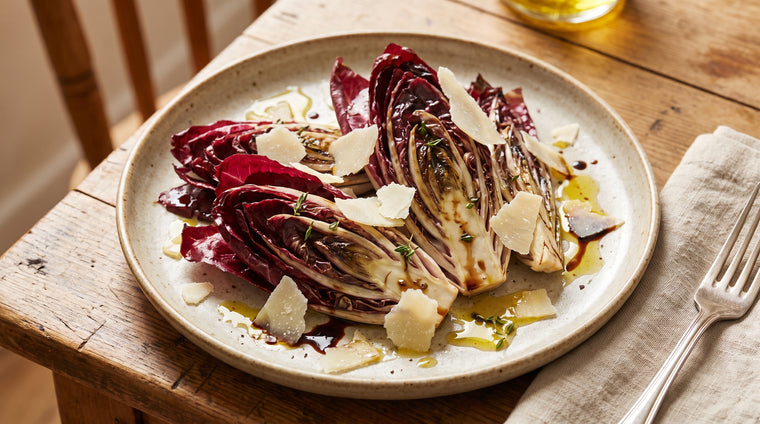
Grow it into cool fall weather, which naturally sweetens the leaves, and blanch the head for about ten days before harvest by covering it to block light. In the kitchen, grilling or roasting radicchio, or a soak in cold water, mellows the bitterness and brings out a gentle sweetness.
How long does radicchio take to grow?
Plan on roughly 80 to 100 days from sowing to a firm head, depending on the variety. Chioggia types, the round red ones common in the US, mature around 85 to 90 days. Seeds sprout in 5 to 7 days in cool soil.
When is the best time to plant radicchio?
For most gardeners, midsummer is the sweet spot: sow in June or July so the heads mature and firm up as cool fall weather arrives, which is when radicchio tastes best. In mild-winter areas you can also sow in late summer for a winter harvest. Spring sowings are trickier because heat and long days push it to bolt.
Does radicchio come back after harvest?
If you cut the head but leave the root and crown in the ground, it will often push out a second flush of looser leaves, especially in mild climates. For the classic firm heads, though, radicchio is usually grown fresh each season from seed.

Radicchio Seeds – Non-GMO HeirloomHeirloom, non-GMOHeirloom radicchio: crisp, ruby-red heads that sweeten in cool weather.
Price$4.99
Want more than radicchio? These value sets all include radicchio seeds, plus many more greens and veggies:
Sale

Greens & Vegetable Seeds Variety Pack – Non-GMO Heirloom75 varieties, radicchio included75 greens and vegetables in a wooden box with basic tools, radicchio included.
Price$63.99
Sale Price$59.99

- Choosing a selection results in a full page refresh.










 Easy Returns 30-day guarantee