


How to Grow Endive From Seed
Updated July 2026
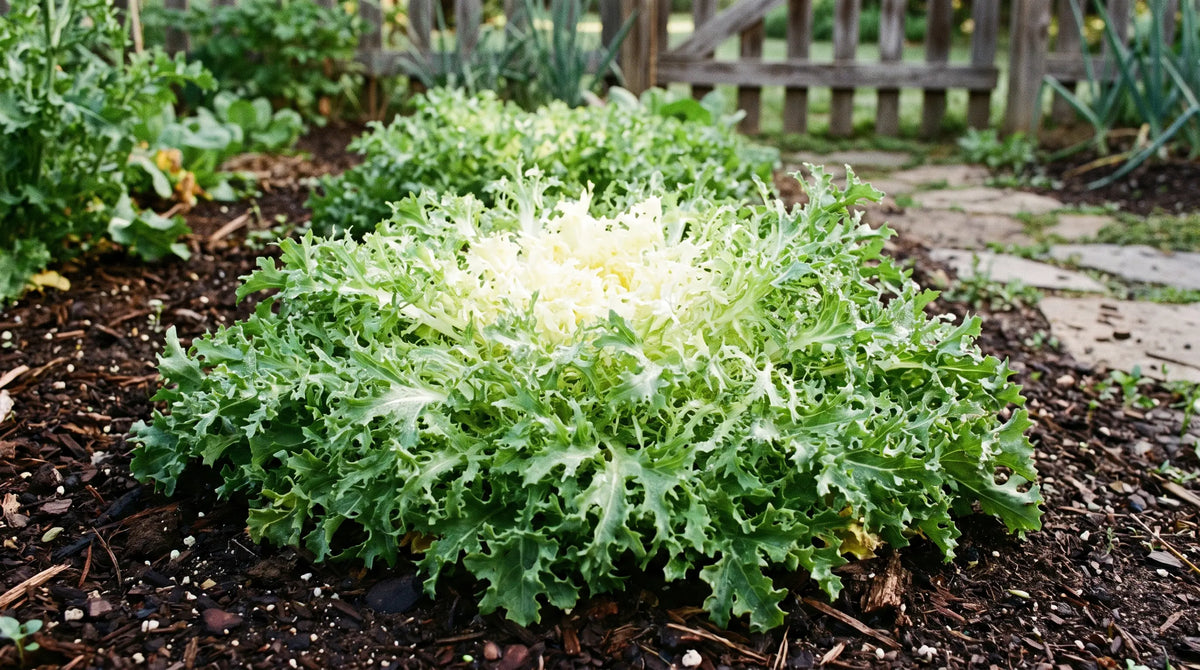
Endive (Cichorium endivia) is a family of cool-season chicories grown for tender, faintly bitter salad greens. It comes in two main forms: curled or frisee types, like Green Curled Ruffec, with frilly, finely cut leaves in a wide, lacy rosette, and broad-leaved escarole types, like Broadleaf, with wider, flatter, milder leaves. Both grow best in the cool of fall and are often blanched before harvest to sweeten the heart. Here is how to grow endive from seed, start to finish, whichever type you choose.
Growing a specific variety?
Best tip
At a glance
 Botanical name Botanical name | Cichorium endivia |
|---|---|
 Plant type Plant type | Cool-season annual or biennial |
 USDA zones USDA zones | 4 to 9 (grown as a cool-season crop) |
 Sun Sun | Full sun to light shade |
 Days to maturity Days to maturity | 85 to 95 days depending on type |
 Height Height | 10 to 14 inches |
 Spacing Spacing | Thin to 8 to 12 inches |
 Water Water | Regular and even; never let it dry out |
When to plant
How to plant
Growing and care
Sale

Mycorrhizal Fungi GranulesFeeds roots naturallyMix a little into the bed to help endive roots take up water and nutrients.
Price$39.99Starting at$29.99
The best companion plants
Sale

Nasturtium Seeds for Sale – Non-GMO HeirloomHeirloom, non-GMONasturtium draws aphids away from tender endive leaves and shades the soil.
Price$14.99Starting at$6.99
Sale

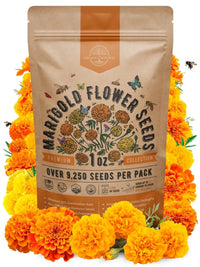
Marigold Seeds PackHeirloom, non-GMOMarigolds around the bed help deter soil pests and attract hoverflies.
Price$12.99Starting at$8.99
Sale

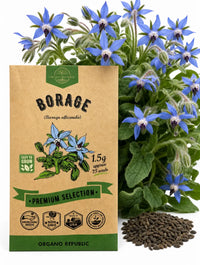
Borage Seeds – Non-GMO HeirloomHeirloom, non-GMOBorage flowers pull in bees and beneficial insects and pair well with leafy greens.
Price$5.99Starting at$4.99
Sale

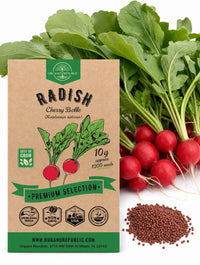
Cherry Belle Radish Seeds – Non-GMO HeirloomHeirloom, non-GMOFast radishes share a cool-season row with endive and are harvested well before it fills in.
Price$4.99Starting at$3.99
Harvest
Uses
Common problems
Frequently asked questions
What is the difference between curled endive, escarole, and Belgian endive?
They are all chicories. Curled endive, or frisee, like this Green Curled Ruffec, has frilly, finely cut leaves in a loose rosette. Escarole is the broad-leaved form of the same species. Belgian endive is a different chicory grown in the dark to force pale, tight chicons. This guide covers the curled, garden-grown type.
How do you blanch endive and why?
About two to three weeks before harvest, once the plant is a full rosette, gather the outer leaves up and tie them over the center, or set a plate or pot over the crown to block light. Cutting off light turns the heart pale, tender, and much milder, taming the natural bitterness. Keep the leaves dry when you do it to avoid rot.
Is endive bitter, and how do you reduce it?
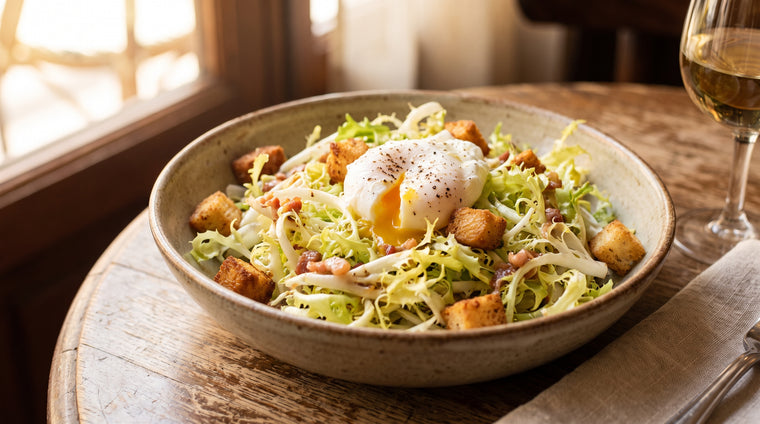
Curled endive has a pleasant bitter edge that softens with cool weather and blanching. To mellow it further in the kitchen, soak cut leaves in cold water, dress with a rich or sweet vinaigrette, or wilt it briefly with warm bacon fat, the classic French frisee salad.
When should I plant endive?
Endive is at its best as a fall crop. Sow in mid to late summer so the rosettes mature in the cool weather of autumn, which sweetens the leaves. You can also direct-sow in early spring for an early-summer harvest, but fall sowings usually give milder, better heads.
How long does endive take to grow from seed?
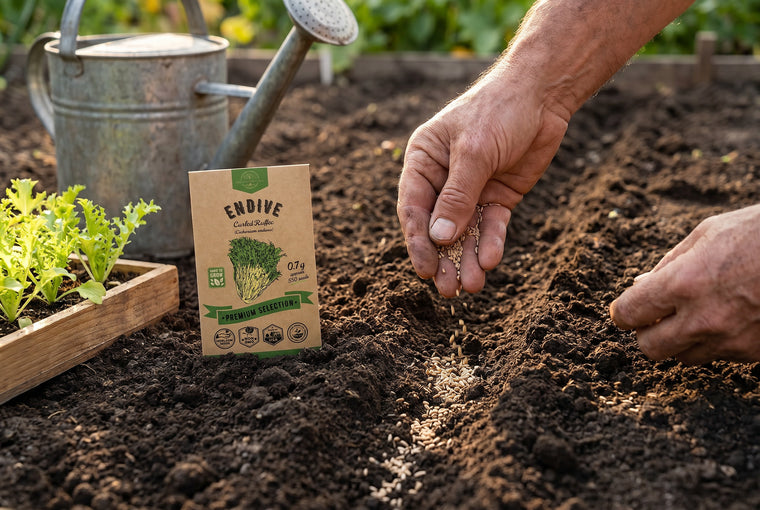
Green Curled Ruffec takes about 90 days to reach a full rosette, though you can start cutting outer leaves earlier, around 50 to 60 days. Seeds germinate in about a week when soil is around 60F.
Can you grow endive in containers?
Yes. Endive grows well in a wide pot at least 8 inches deep with rich, moisture-retentive mix. Give it a sunny to lightly shaded cool-season spot, keep it evenly watered, and you can even blanch a potted plant by covering it before harvest.
Sale

Lettuce & Greens Seeds Variety Pack – Non-GMO Heirloom22 salad green varietiesTwenty-two lettuces and salad greens for a full cool-season salad garden.
Price$12.99Starting at$9.99
Want more than endive? These value sets all include endive seeds, plus many more salad greens:
Sale

Vegetable Seeds Variety Pack55 varieties, endive included55 heirloom vegetables, about 11,500 seeds, curled endive included.
Price$21.99Starting at$17.99

- Choosing a selection results in a full page refresh.










 Easy Returns 30-day guarantee