


How to Grow Rapini (Broccoli Rabe) From Seed
Updated July 2026
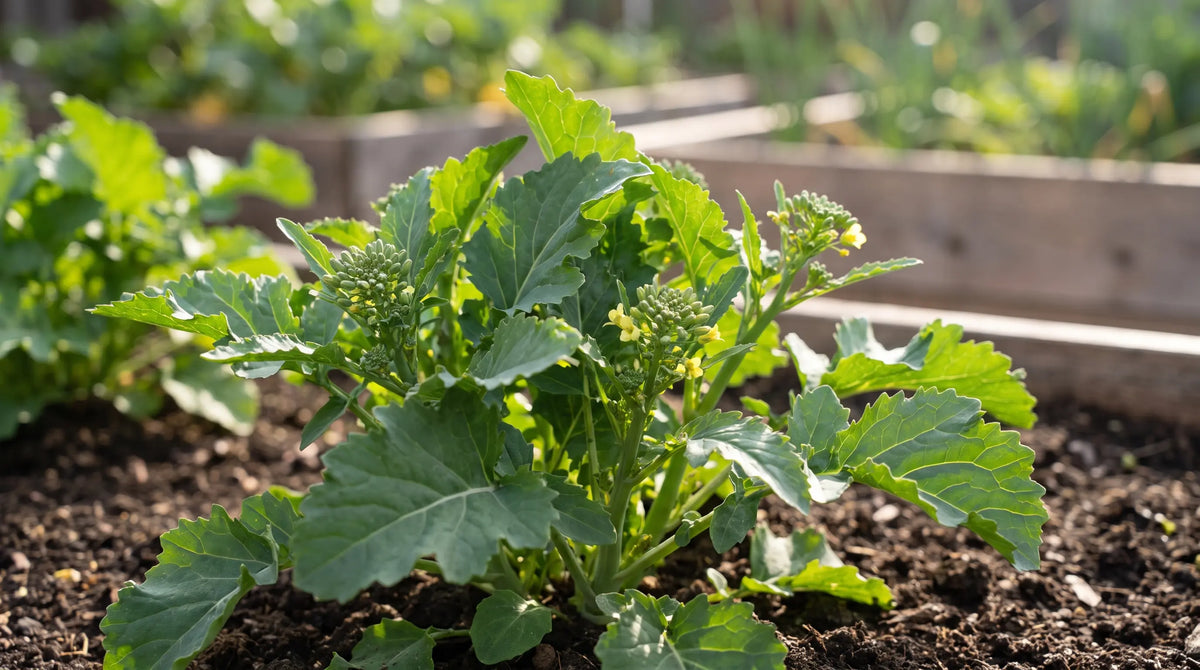
Rapini (Brassica rapa var. ruvo), also called broccoli rabe, is a fast, cool-season green grown for its tender stems, leaves, and broccoli-like buds all at once. It is a leafy cousin of the turnip, not broccoli, and carries a pleasant bitter edge that Italian cooks love. Best of all, it goes from seed to plate in about six weeks. The trick is to grow it cool and cut it at the bud stage, before it flowers and turns bitter. Here is how to grow rapini from seed, start to finish.
Best tip
At a glance
 Botanical name Botanical name | Brassica rapa var. ruvo |
|---|---|
 Plant type Plant type | Cool-season annual |
 USDA zones USDA zones | 2 to 11 (grown as a cool-season annual) |
 Sun Sun | Full sun to light shade |
 Days to maturity Days to maturity | 40 to 50 days |
 Height Height | 12 to 18 inches |
 Spacing Spacing | Thin to 4 to 6 inches |
 Water Water | Regular; keep evenly moist |
When to plant
How to plant
Growing and care
The best companion plants
Sale

Nasturtium Seeds for Sale – Non-GMO HeirloomHeirloom, non-GMOAphids and flea beetles go for nasturtium first, drawing them off your rapini leaves.
Price$14.99Starting at$6.99
Sale

Marigold Seeds PackHeirloom, non-GMOMarigolds along the bed edge help deter root pests and pull in hoverflies.
Price$12.99Starting at$8.99
Sale

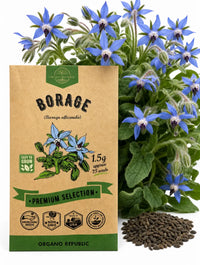
Borage Seeds – Non-GMO HeirloomHeirloom, non-GMOBorage flowers bring in bees and predatory insects that keep brassica pests down.
Price$5.99Starting at$4.99
Sale

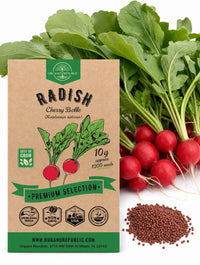
Cherry Belle Radish Seeds – Non-GMO HeirloomHeirloom, non-GMOFast radishes share a cool-season bed with rapini and are pulled long before it crowds.
Price$4.99Starting at$3.99
Harvest
Uses
Common problems
Frequently asked questions
Is rapini the same as broccoli, broccolini, or broccoli rabe?
Rapini and broccoli rabe are two names for the exact same plant, a leafy relative of the turnip, not of broccoli. Broccolini is a different, milder cross between broccoli and Chinese kale. Rapini is grown for its buds, tender stems, and leaves all together, and it carries a pleasant bitter edge.
When should I harvest broccoli rabe so it does not get too bitter?
Cut it once the flower buds have formed but before they open into yellow flowers, usually around 40 to 50 days from sowing. Harvesting at the tight-bud stage, in cool weather, gives the mildest flavor. Once the plant is in full bloom the leaves turn noticeably more bitter.
How do you make rapini less bitter?
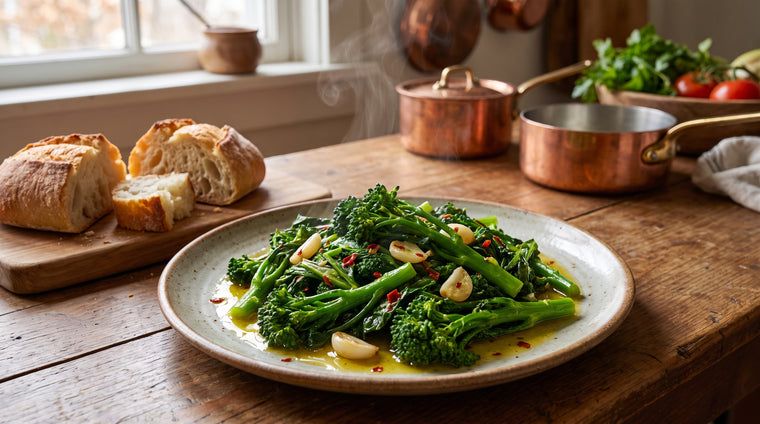
Grow and pick it in cool weather, since heat sharpens the bitterness, and harvest at the bud stage before it flowers. In the kitchen, a quick blanch in salted boiling water for a minute or two before sauteing with garlic and olive oil tames the edge nicely.
How long does broccoli rabe take to grow from seed?
It is one of the fastest brassicas. Seeds sprout in about 6 to 9 days, and most plants are ready to cut in 40 to 50 days from sowing. Because it matures so quickly, you can sow a fresh short row every couple of weeks in spring and fall.
Does broccoli rabe grow back after you cut it?
Yes, if you leave the base and lower leaves. Cut the main shoot just above a set of leaves and the plant usually pushes out smaller side shoots for a second, lighter picking. Once warm weather arrives, though, it bolts and is best pulled and resown.
Can you grow rapini in a container?
Yes. A pot at least 8 inches deep with good drainage works well, and its quick, compact habit suits container life. Keep the mix evenly moist, give it full sun to part shade in cool weather, and sow a few seeds every couple of weeks for a steady supply.
Sale

Broccoli Raab Seeds (Rapini) – Non-GMO HeirloomHeirloom, non-GMOBroccoli raab (rapini): quick, pleasantly bitter Italian greens and buds.
Price$4.99Starting at$3.99
Want more than rapini? These value sets all include broccoli rabe seeds, plus many more veggies and greens:
Sale

Herb & Vegetable Seeds Variety Pack – Non-GMO Heirloom75 varieties, rapini included75 herbs and vegetables in a wooden box, rapini included, with basic tools.
Price$63.99
Sale Price$59.99

- Choosing a selection results in a full page refresh.


















 Easy Returns 30-day guarantee