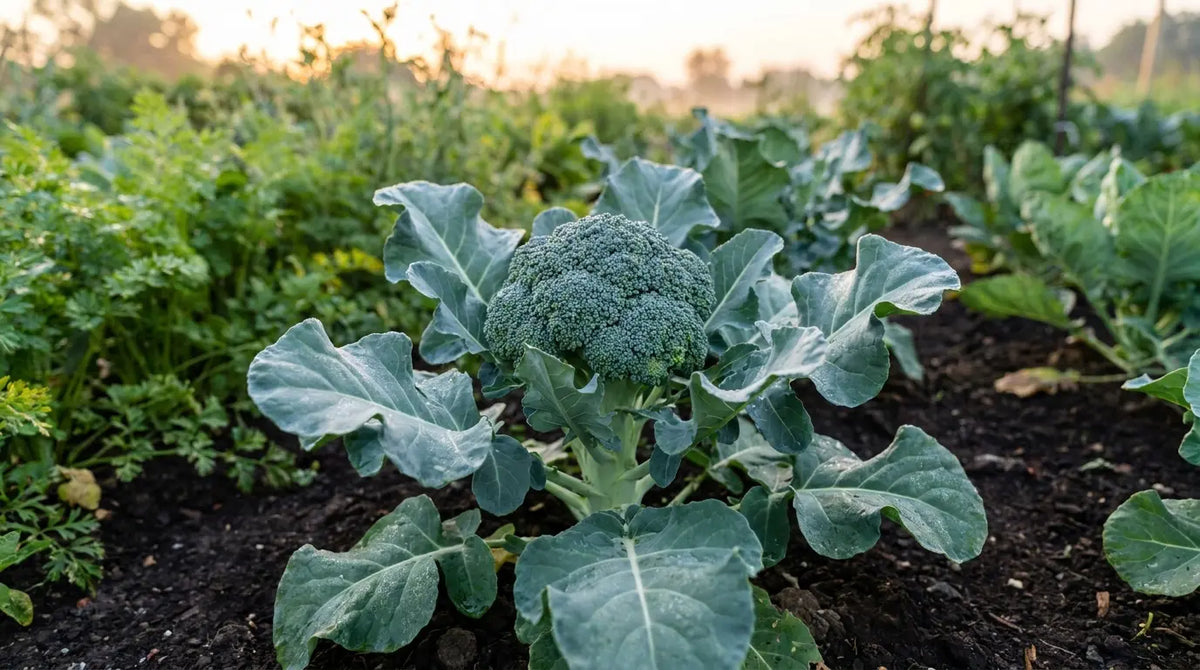
How to grow broccoli: a mature broccoli plant with a full head in the garden

How to Grow Broccoli From Seed

Updated July 2026

Broccoli is one of the most rewarding cool-season crops you can grow, and homegrown heads are noticeably sweeter than anything at the store. This guide walks you through how to grow broccoli from seed, from starting seedlings indoors to timing the crop around heat, spacing plants, and cutting tight central heads followed by weeks of side shoots.

Best tip

Grow broccoli as a fall crop. Start seeds in mid to late summer so the heads fill out as the weather turns cool, and you sidestep the spring race against heat and the flush of cabbage worms. Fall broccoli tends to make bigger, sweeter, tighter heads with far less fuss.

At a glance

Botanical nameBrassica oleracea var. italica
Plant typeCool-season annual vegetable
USDA zones2 to 11 (grown as a cool-season annual)
SunFull sun (6 or more hours)
Days to maturity70 to 100 days from seed
Height18 to 30 inches
Spacing18 inches apart, rows 24 to 36 inches
Water1 to 1.5 inches a week; keep evenly moist

When to plant

Broccoli is a cool-season crop that heads up best in mild weather, so most gardeners start it indoors and transplant. For a spring crop, sow seeds indoors 4 to 6 weeks before your last frost, then set the seedlings out 2 to 3 weeks before that last frost, since young plants shrug off light frost. For a fall crop, which is often the sweeter and easier one, start seeds in mid to late summer so the heads mature as the weather cools.

How to plant

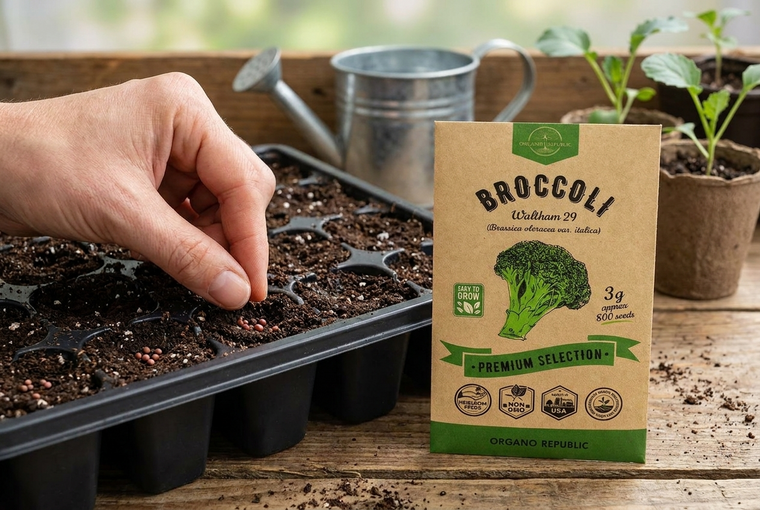
Sow broccoli seeds a quarter inch deep in cell trays or small pots of moist seed-starting mix, two seeds per cell, and keep them around 70 to 75F. Seedlings usually appear in 5 to 10 days; thin to the strongest one per cell. Harden them off for a week, then transplant into rich, firm soil in full sun, spacing plants 18 inches apart in rows 24 to 36 inches apart. You can direct-sow in mild climates, but transplants give more reliable heads.

Start broccoli in cell trays, sowing a quarter inch deep, then transplant.

Growing and care

Broccoli is a hungry, thirsty plant. Give it steady moisture, about 1 to 1.5 inches of water a week, and feed with a nitrogen-rich fertilizer a few weeks after transplanting to push leafy growth. Firm soil and even watering help form tight heads. Watch for cabbage worms and aphids, the usual brassica pests, and pick worms off by hand or cover young plants with row cover. In hot regions like the South or interior California, grow broccoli as a fall and winter crop, since summer heat above the mid-80s makes heads open into loose yellow flowers early; in the North, both a spring and a fall planting work well.

The best companion plants

Broccoli grows well beside plants that repel or distract its main pests, the cabbage worm and flea beetle. These four make especially good neighbors in a brassica bed, and you can add any of them in one click:

SaleNasturtium Seeds for Sale – Non-GMO Heirloom
Nasturtium Seeds for Sale – Non-GMO HeirloomHeirloom, non-GMOA classic brassica trap crop: flea beetles and cabbage worms swarm nasturtium instead of your broccoli.
Price$14.99Starting at$6.99
View product
SaleCherry Belle Radish Seeds – Non-GMO Heirloom
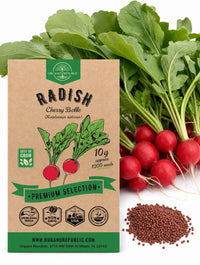
Cherry Belle Radish Seeds – Non-GMO HeirloomHeirloom, non-GMOFast radishes lure flea beetles away from young broccoli and mark your rows while it fills in.
Price$4.99Starting at$3.99
View product
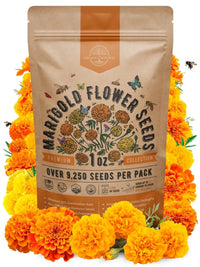
SaleMarigold Seeds Pack
Marigold Seeds PackHeirloom, non-GMOBright marigolds deter pests and pull in the hoverflies and wasps that hunt cabbage worms.
Price$12.99Starting at$8.99
View product
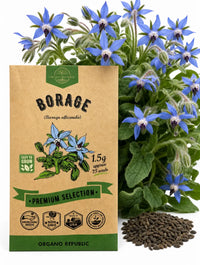
SaleBorage Seeds – Non-GMO Heirloom
Borage Seeds – Non-GMO HeirloomHeirloom, non-GMOBorage flowers draw bees and beneficial insects and make a good living mulch beside brassicas.
Price$5.99 Sale Price$4.99
View product

Heat makes broccoli bolt. When temperatures climb into the upper 80s, or a spring crop gets caught by a heat wave, the plant sends up flowers instead of forming a tight head, and any head that did form opens into loose yellow buds. Grow broccoli in the cool ends of the season and lean on a fall crop in warm climates.

Harvest

Cut the central head while the buds are still tight and green, before any yellow flowers show, slicing the stem about 5 to 6 inches below the head. Harvest in the cool of the morning. After you take the main head, leave the plant in the ground and keep watering: most varieties push out smaller side shoots for weeks, giving you a steady second harvest of bite-sized florets.

Uses

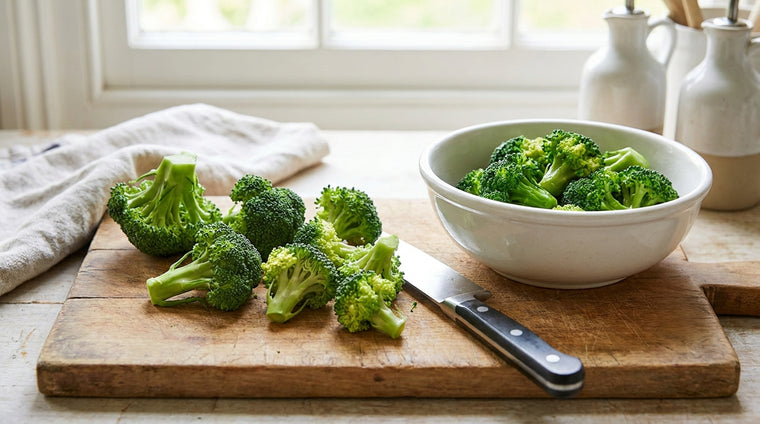
Eat broccoli raw with dip, or steam it just until bright green and still crisp, roughly 4 to 5 minutes, so it keeps its color and bite. Roasting at high heat gives crisp, browned edges. The tender stalks are good too, peeled and sliced. Homegrown broccoli is sweeter than store-bought, and the leaves and side shoots are all edible, so little goes to waste.

Homegrown broccoli florets, ready to steam or roast.

Common problems

  • Buttoning (tiny premature heads): usually from stress, cold shock at transplant, or crowding. Grow strong seedlings, harden off gently, and keep plants fed and watered.
  • Bolting or loose heads: heat makes broccoli flower fast. Time the crop for cool weather and favor a fall planting in warm regions.
  • Cabbage worms: green caterpillars that chew the leaves and heads. Pick them off, or float row cover over young plants to keep the white moths out.
  • Aphids: rinse them off with a strong spray of water and invite in ladybugs and lacewings by planting flowers nearby.

Frequently asked questions

How long does broccoli take to grow from seed?

Most broccoli takes 70 to 100 days from sowing to a full head. If you start seeds indoors and transplant, plan on about 3 to 4 weeks in the tray, then roughly 50 to 65 days in the garden until the central head is ready to cut.

Does broccoli grow back after you cut the head?

The main central head does not regrow, but the plant does not quit. Leave it in the ground and keep watering, and most varieties push out smaller side shoots along the stem for several more weeks of bite-sized florets.

Why is my broccoli not forming a head?

Usually heat or stress. Broccoli forms tight heads in cool weather, so warm spells, dry soil, crowding, or a cold shock at transplant can make it flower early or make only tiny buttons. Grow it in the cool ends of the season, keep it fed and watered, and favor a fall crop in warm climates.

Can you grow broccoli in containers?

Yes. Use a pot at least 12 to 16 inches wide and deep, one plant per pot, filled with rich potting mix. Keep it in full sun, water often since pots dry out fast, and feed regularly, since broccoli is a hungry crop.

How much sun does broccoli need?

Give broccoli full sun, at least 6 hours a day, for strong plants and tight heads. In hot regions a little afternoon shade in the warmest part of the season can slow bolting, but it still needs plenty of direct light overall.

When should I plant broccoli?

For a spring crop, start seeds indoors 4 to 6 weeks before your last frost and transplant 2 to 3 weeks before it. For a fall crop, which is often easier, start seeds in mid to late summer so the heads mature as the weather cools.

Ready to grow your own? Start with a packet of heirloom Waltham 29 broccoli seeds.

SaleWaltham 29 Broccoli Seeds – Non-GMO Heirloom
Waltham 29 Broccoli Seeds – Non-GMO HeirloomHeirloom, non-GMOHeirloom Waltham 29: big blue-green heads plus a long run of side shoots.
Price$4.99Starting at$3.99
View product

Want more than broccoli? These value sets all include broccoli seeds, plus many more vegetables:

SaleHerb & Vegetable Seeds Variety Pack – Non-GMO Heirloom
Herb & Vegetable Seeds Variety Pack – Non-GMO Heirloom75 varieties, broccoli includedOur biggest all-in-one: 75 herb and vegetable varieties, broccoli included.
Price$63.99 Sale Price$59.99
View product
Maxim Kaufman, Founder and CEO of Organo Republic

By Maxim Kaufman — Founder & CEO, Organo Republic

Maxim founded Organo Republic in 2017 and personally selects, tests, and grows the heirloom, non-GMO varieties the company offers. Under his leadership, Organo Republic was named Agri Business Review’s Top Non-GMO Seed Variety Solution 2026.

Stay Connected

Join Our Garden Community

Daily garden inspiration, how-to videos & behind-the-seeds stories.