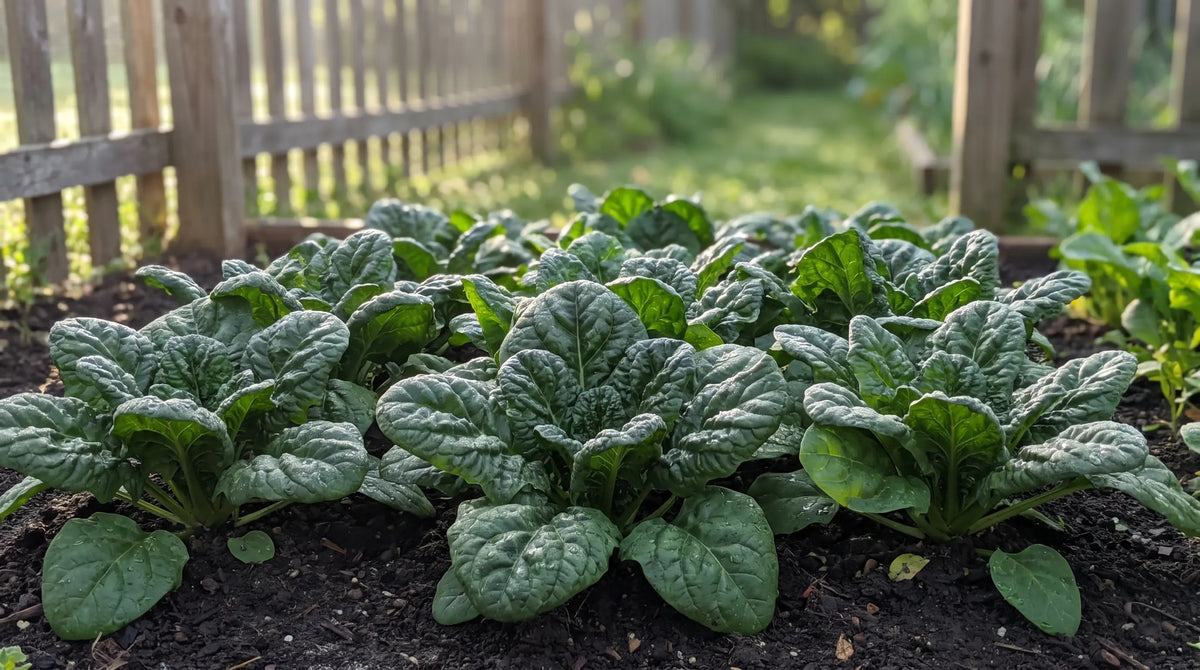
How to grow spinach: a lush garden bed of mature Bloomsdale spinach with dark crinkled leaves

How to Grow Spinach From Seed

Updated July 2026

Spinach (Spinacia oleracea) is one of the fastest, most rewarding cool-season greens you can grow, going from seed to salad bowl in about six weeks. This guide covers how to grow spinach from seed start to finish: when to sow, how deep and how far apart, how to keep it from bolting in warm weather, and how to harvest tender leaves for weeks. It is a great crop for beginners and a reliable spring and fall staple for any home garden.

Best tip

Best tip for success: Sow a short row every 2 to 3 weeks in spring and again in fall instead of one big planting. Spinach bolts fast, so a steady succession keeps tender leaves coming without leaving you with a whole bed turning bitter at once.

At a glance

Botanical nameSpinacia oleracea
Plant typeCool-season annual leafy green
USDA zonesGrown as an annual in zones 2-11
SunFull sun to part shade
Days to maturity40-50 days (30 for baby leaves)
Height6-12 inches
Spacing3-6 inches apart, rows 12-18 inches
Water1-1.5 inches per week, keep soil evenly moist

When to plant

Spinach is a cool-season crop, so timing is everything. Sow seeds directly in the garden 4 to 6 weeks before your average last spring frost, as soon as the soil can be worked. Spinach shrugs off light frost, so an early start is an advantage rather than a risk.

For a second harvest, sow again in late summer once the worst heat has passed, about 6 to 8 weeks before your first fall frost. Fall crops often taste sweeter after a light frost. In mild-winter regions you can overwinter a late-fall sowing under row cover for very early spring greens.

How to plant

Spinach is direct-sown, not transplanted, because it resents root disturbance. Loosen the top few inches of soil and work in some compost so it drains well but stays moist.

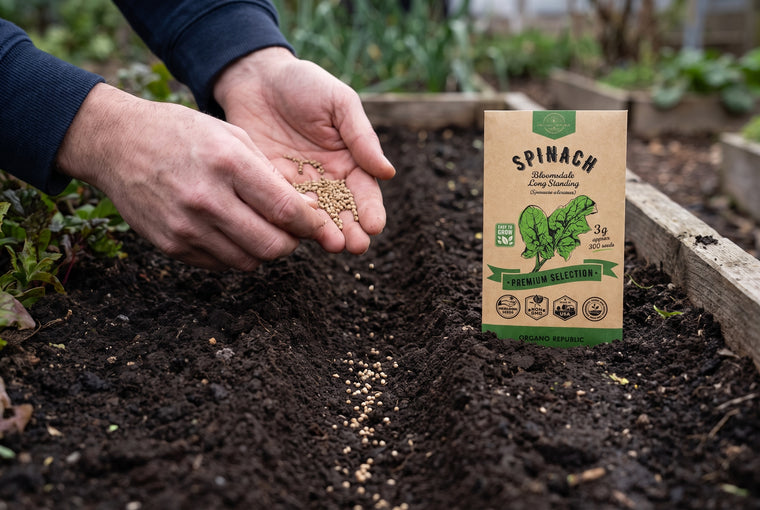
  • Depth: sow seeds about half an inch deep.
  • Spacing: drop seeds roughly 2 inches apart in rows 12 to 18 inches apart, or broadcast over a wide band.
  • Thin: once seedlings have a couple of true leaves, thin to 3 to 6 inches apart and eat the thinnings.
  • Sun and soil: full sun in cool weather, part shade as it warms; rich, moist, well-drained soil with a near-neutral pH.
  • Water: keep the seedbed consistently damp until germination, which takes 7 to 14 days in cool soil.
Direct-sow spinach seeds half an inch deep in cool early-spring soil.

Growing and care

Spinach grows fast and needs steady moisture and nitrogen to make tender leaves. Give it about an inch of water a week and a light feed of a balanced or nitrogen-forward fertilizer a few weeks after the seedlings are up. Mulch helps hold moisture and keeps the soil cool, which delays bolting.

Watch for leaf miners tunneling inside leaves, aphids on the undersides, and downy mildew in cool damp spells. A floating row cover keeps leaf miners and other pests off, and good spacing with airflow limits mildew.

Climate note: In cool-summer areas like the Pacific Northwest, New England, and the upper Midwest, spinach is a long, forgiving spring and fall crop. In hot regions like Texas, Florida, and the Deep South, treat it strictly as a fall-through-winter green, since spring warmth pushes it to bolt by May; a fall sowing there can crop right through winter.

The best companion plants

Spinach is an easygoing neighbor in a cool-season bed. These companions help it along by loosening soil, drawing pests away, and bringing in beneficial insects. Since spinach is a low, quick green, pair it with plants that share its spring and fall window.

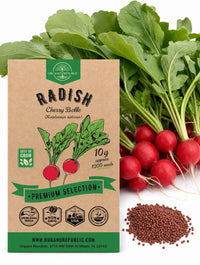
Cherry Belle Radish Seeds
Cherry Belle Radish SeedsHeirloom, non-GMOClassic spinach partner. Fast radishes mark the slow-germinating rows and loosen the soil as they swell.$5.99$2.99
View product
Nasturtium Seeds
Nasturtium SeedsHeirloom, non-GMODraws aphids away from your spinach as a living trap crop, and the flowers pull in pollinators.$14.99$6.99
View product
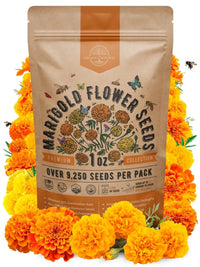
Marigold Seeds Pack 1 oz
Marigold Seeds Pack 1 ozHeirloom, non-GMOA border of marigolds helps deter aphids and other soft-bodied pests near the greens bed.$12.99$8.99
View product
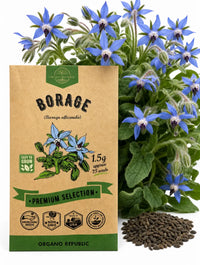
Borage Seeds
Borage SeedsHeirloom, non-GMOIts blue blooms bring in bees and beneficial insects that keep the spring garden balanced.$5.99$4.99
View product

Heads up: Spinach bolts fast once days lengthen and temperatures climb, turning bitter almost overnight. Do not wait for big plants in late spring; harvest early and often, and start a fresh fall sowing rather than nursing a bolting bed through summer.

Harvest

You can start harvesting as soon as leaves are big enough to use, often around 30 days for baby leaves and 40 to 50 days for full-size ones. Pick the outer leaves first and leave the central crown, and the plant keeps producing for weeks.

For a bigger pick, cut the whole plant about an inch above the soil; it will often regrow for a second cutting. Harvest in the morning when leaves are crisp, and once a plant sends up a flower stalk, pull it, since the leaves will only get more bitter.

Uses

Spinach is at its best raw and fresh. Toss baby leaves straight into salads, layer them on sandwiches, or blend a handful into a smoothie. Larger leaves are better wilted or cooked, since a quick saute with garlic or a fold into soups, pasta, and eggs mellows their flavor.

It also freezes well: blanch briefly, squeeze out the water, and freeze in portions for winter cooking. Growing your own means you can pick it minutes before it hits the pan, when the flavor and texture are at their peak.

Tender home-grown spinach, fresh in a simple salad.

Common problems

Bolting: triggered by heat and long days; sow early, keep plants cool and watered, and choose bolt-resistant varieties.

Poor germination: usually soil that is too warm; spinach germinates poorly above 75F, so sow in cool spring or fall soil, or pre-chill seed.

Leaf miners: pale tunnels inside leaves; use row cover and remove affected leaves promptly.

Yellowing leaves: often low nitrogen or uneven watering; feed lightly and keep moisture steady.

Frequently asked questions

When should I plant spinach?

Sow spinach directly in the garden 4 to 6 weeks before your last spring frost, as soon as the soil can be worked, then again in late summer for a fall crop. Spinach is a cool-season green, so spring and fall are its two windows. In mild-winter zones you can even overwinter a late-fall sowing under row cover.

How long does spinach take to germinate?

In cool soil around 45 to 70F, spinach seeds usually sprout in 7 to 14 days, and sometimes up to three weeks in cold ground. Germination drops off sharply once the soil climbs above about 75F, which is why early spring and fall sowings work best.

How far apart should spinach be spaced?

Sow seeds about half an inch deep and roughly 2 inches apart, then thin the seedlings to 3 to 6 inches once they have a couple of true leaves. Do not toss the thinnings, since the young leaves are perfect in a salad.

Why does my spinach bolt so quickly?

Spinach bolts, meaning it sends up a flower stalk and turns bitter, when days grow long and temperatures rise. Heat and 14-plus hours of daylight are the main triggers. Sow early, keep plants watered and lightly shaded in warm spells, and grow bolt-resistant types like Bloomsdale Long Standing to buy more time.

How do I harvest spinach so it keeps producing?

Pick the outer leaves once they reach the size you want and leave the central crown intact, and the plant will keep pushing new growth for weeks. You can also cut the whole plant about an inch above the soil and it will often regrow for a second cutting.

Does spinach need full sun or shade?

Spinach grows best in full sun during the cool months of spring and fall. When you push it into warmer weather, a spot with afternoon shade keeps the soil cooler and slows bolting, so part shade is an advantage late in the season.

Ready to grow your own? Start with a packet of heirloom Bloomsdale spinach seeds.

Spinach Bloomsdale Long Standing Seeds
Spinach Bloomsdale Long Standing SeedsHeirloom, non-GMOHeirloom Bloomsdale: thick, savoyed, slow-to-bolt spinach leaves.$4.99
View product

Want spinach plus more to fill the bed? These variety packs all include it.

22 Lettuce & Salad Greens Seeds Variety Pack
22 Lettuce & Salad Greens Seeds Variety Pack22 varieties, spinach includedA bigger salad-greens lineup with spinach for cut-and-come-again harvests all season.$24.99$22.99
View product
50 Winter Vegetable Garden Seeds Variety Pack
50 Winter Vegetable Garden Seeds Variety Pack50 varieties, spinach includedCool-season crops including spinach, kale, radish and onion for fall and winter beds.$44.99$39.99
View product
75 Greens & Vegetable Seeds Variety Pack
75 Greens & Vegetable Seeds Variety Pack75 varieties, spinach includedA big greens-and-vegetable starter box with spinach for a full working garden.$63.99$59.99
View product
55 Vegetable Seeds Variety Pack
55 Vegetable Seeds Variety Pack55 varieties, spinach includedA broad vegetable mix with spinach for gardeners who want range beyond the salad bed.$32.99$29.99
View product