Home / Growing Guides / How to Grow Mustard Greens From Seed
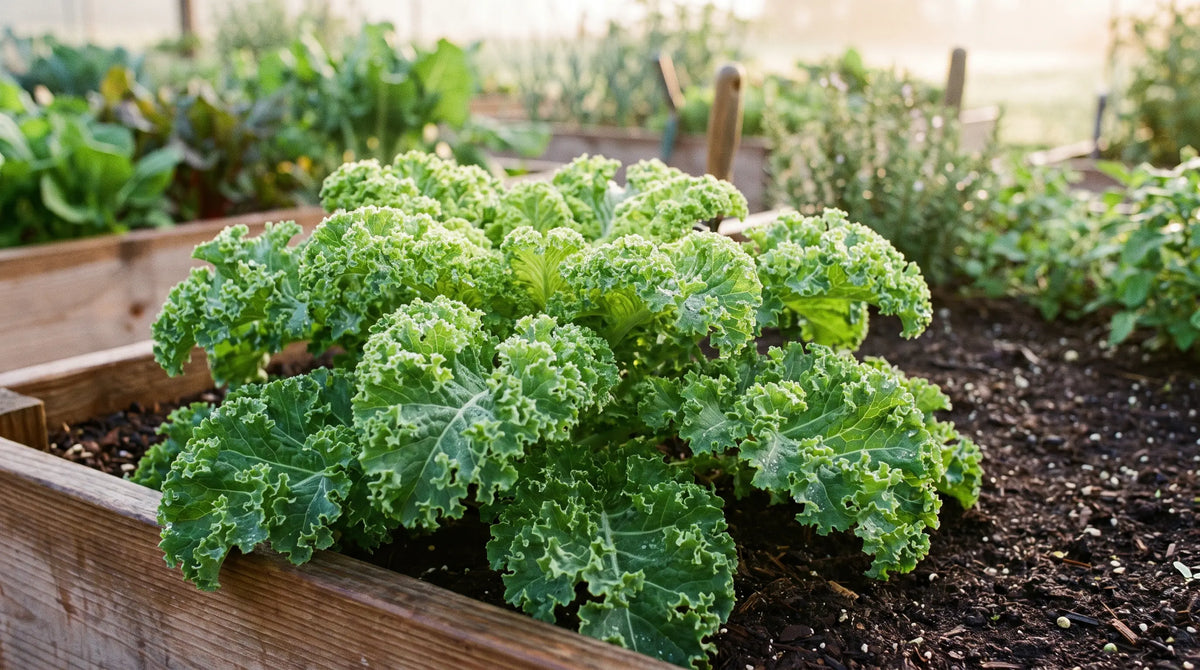
How to grow mustard greens: a lush frilly Southern Giant Curled plant in the garden

How to Grow Mustard Greens From Seed

Updated July 2026

Mustard greens (Brassica juncea), like this heirloom Southern Giant Curled, are one of the fastest, most rewarding greens you can grow. Big frilly leaves with a bold peppery bite go from seed to harvest in about 45 days, thrive in the cool of spring and fall, and grow just as well in a garden row as in a pot. If you want quick, spicy leaves for salads and Southern-style braises, learning how to grow mustard greens is an easy place to start.

Best tip

Sow little and often, and pick young. Mustard is fastest and mildest when it is growing hard in cool weather, so scatter a short new row every two to three weeks rather than nursing one aging patch. Cut the leaves small for salads and the flavor stays bright and gentle; wait too long or let heat hit and it turns fiery and bolts.

At a glance

How to Grow Mustard Greens From Seed — growing specifications at a glance
Botanical nameBrassica juncea
Plant typeCool-season annual leafy green
USDA zones2 to 11 (as a cool-season annual)
SunFull sun to part shade
Days to maturity40 to 50 days (baby leaves sooner)
Height12 to 24 inches
Spacing6 to 12 inches
WaterRegular; keep evenly moist

When to plant

Mustard greens are a quick, cool-season crop, so grow them in the cooler ends of the year. Direct-sow in early spring as soon as the soil can be worked, then again in late summer for a fall crop that tastes milder after a light frost. Because heat pushes it to flower, sow a short fresh row every 2 to 3 weeks for a steady supply and stop spring sowings once daytime highs settle in the mid-70s. In the mild-winter South, it grows happily through fall and winter.

How to plant

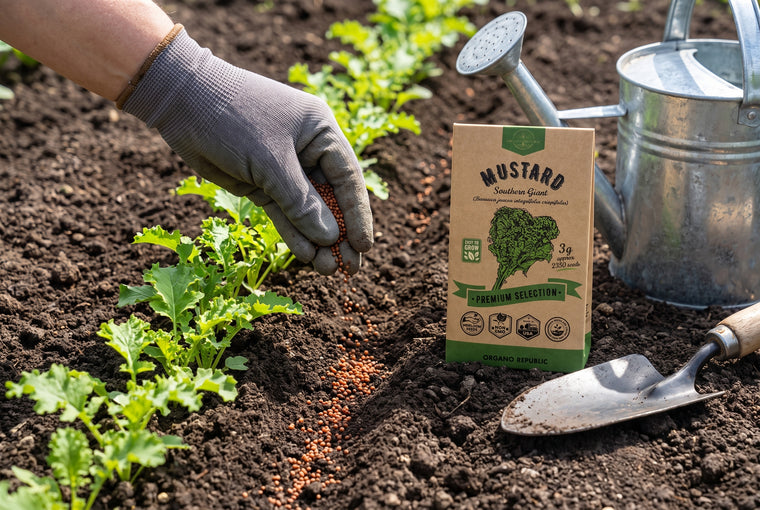
Mustard is happiest sown right where it will grow. Scatter or space the seeds about a quarter to half an inch deep in rich, well-drained soil, keep the bed evenly moist, and seedlings appear fast, usually in 5 to 10 days. Thin to 6 inches apart for baby-leaf cutting or 8 to 12 inches for big full-size plants. Full sun gives the most growth, though a little afternoon shade helps in warm spells.

Direct-sow mustard a quarter inch deep, right where it will grow.

Growing and care

Fast, steady growth is what keeps mustard tender and less fiery, so water regularly and never let it dry out, and feed lightly with a nitrogen-rich fertilizer for lush leaves. Mulch keeps the roots cool and slows bolting. Watch for flea beetles peppering the leaves with tiny holes and for cabbage worms, and cover young plants with a light row cover if needed. Southern Giant Curled is unusually cold-hardy and bolt-resistant, but in hot regions like the Deep South or Texas grow it as a fall-through-spring crop rather than in summer.

The best companion plants

Mustard grows fast and pairs well with other quick greens and pest-repelling flowers that keep its tender leaves clean. These four make especially good companions, and you can add any of them in one click:

SaleNasturtium Seeds for Sale – Non-GMO Heirloom
Nasturtium Seeds for Sale – Non-GMO HeirloomHeirloom, non-GMOA trap crop that draws aphids and flea beetles off your tender mustard leaves.
Price$14.99Starting at$6.99
View product
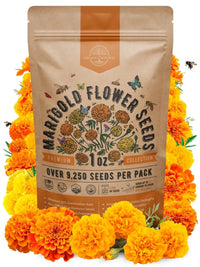
SaleMarigold Seeds Pack
Marigold Seeds PackHeirloom, non-GMOBright blooms that repel cabbage pests and bring pollinators to the greens bed.
Price$12.99Starting at$8.99
View product
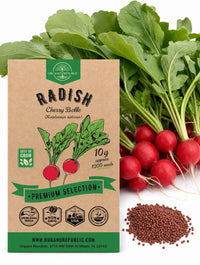
SaleCherry Belle Radish Seeds – Non-GMO Heirloom
Cherry Belle Radish Seeds – Non-GMO HeirloomHeirloom, non-GMOFast radishes share mustard's cool season and lure flea beetles away from it.
Price$4.99Starting at$3.99
View product
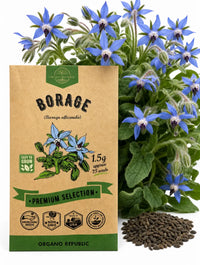
SaleBorage Seeds – Non-GMO Heirloom
Borage Seeds – Non-GMO HeirloomHeirloom, non-GMOBorage flowers pull in bees and beneficial insects near your salad greens.
Price$5.99 Sale Price$4.99
View product

Heat turns mustard fiery and sends it to flower. Once daytime highs push past the mid-70s, the leaves grow sharper and the plant bolts to seed. Grow it in the cool of spring and fall, keep it evenly watered, pick young, and resow often for a steady supply of mild leaves.

Harvest

You can start cutting baby leaves once they reach 4 to 5 inches, tender and mild for salads, or let plants size up and harvest larger leaves for cooking. Pick outer leaves as needed for a cut-and-come-again patch, or shear the whole plant an inch or two above the crown and let it regrow. Harvest in the cool of the morning, and pick before hot weather makes the leaves too pungent.

Uses

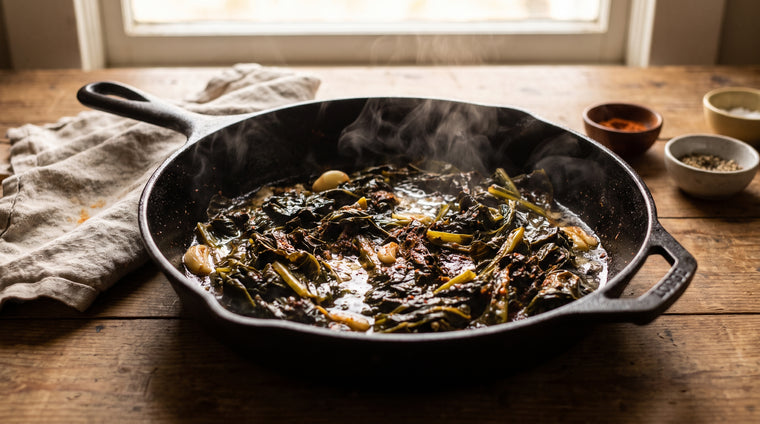
Mustard greens bring a bold, peppery, horseradish-like bite. Use young leaves raw in salads and sandwiches for a spicy kick, or cook mature leaves to mellow them: braise them slow Southern-style with a little garlic and smoke, wilt them into soups and stir-fries, or saute them as a quick side. The flavor softens with cooking, so even fiery leaves turn savory and rich in the pan.

Southern Giant Curled mustard, braised tender in a cast-iron skillet.

Common problems

  • Bolting and bitterness: heat makes mustard flower and turn sharp. Grow it cool, keep it watered, pick young, and resow every couple of weeks.
  • Flea beetles: tiny shot-holes across the leaves. Cover young plants with a light row cover and plant radishes or nasturtiums nearby as a trap crop.
  • Cabbage worms: hand-pick the green caterpillars and check leaf undersides regularly.
  • Tough, overly pungent leaves: usually old or heat-stressed. Harvest younger leaves and keep the soil evenly moist for milder flavor.

Frequently asked questions

How do I make my mustard greens less spicy?

Heat, age, and stress all crank up the peppery bite. For milder leaves, grow mustard in cool weather with steady water, and pick young; small leaves are gentler than big mature ones. Cooking also tames the sharpness, so braising or sauteing turns fiery leaves mellow and savory.

Will mustard greens regrow after I cut them?

Yes, they are a great cut-and-come-again green. If you pick only the outer leaves, or shear the whole plant an inch or two above the crown, it pushes out fresh leaves for another round or two before it eventually bolts. Keep it watered and fed for the best regrowth.

Can I grow mustard greens in containers?

Easily. A pot 6 to 8 inches deep with rich, moist potting mix grows plenty of leaves, and a wide window box gives you a steady cut-and-come-again patch. Keep it in full sun to part shade and never let the soil dry out, which would push it to bolt and turn bitter.

How is Southern Giant Curled different from other mustard greens?

It is a century-old Southern heirloom prized for large, heavily frilled bright-green leaves, a bold peppery flavor, and unusually good cold tolerance and bolt resistance. That makes it a dependable choice for fall and early-spring greens, and a favorite for classic braised Southern-style dishes.

Can I save seed from my mustard plants?

Yes. Let a few plants bolt and flower, and they will form slender seed pods. Once the pods dry and turn tan on the plant, cut the stalks, finish drying them indoors, then crush the pods and separate out the small round seeds. Since mustard is a heirloom variety, the saved seed grows true to type.

How cold-hardy are mustard greens?

Quite hardy. Mustard shrugs off light frost, which actually sweetens and mellows the leaves, making it a reliable fall and early-winter green. Hard freezes will damage the foliage, so use a row cover in a cold snap. In mild-winter regions it can grow right through the cool season.

Ready to grow your own? Start with a packet of heirloom Southern Giant Curled mustard for fast, frilly, peppery greens from spring through fall.

SaleSouthern Giant Mustard Greens Seeds – Non-GMO Heirloom
Southern Giant Mustard Greens Seeds – Non-GMO HeirloomHeirloom, non-GMOHeirloom Southern Giant Curled: big frilly leaves with a bold peppery bite in about 45 days.
Price$4.99Starting at$3.99
View product

Want more than mustard? These value sets all include mustard greens seeds, plus many more greens and vegetables:

SaleGreens & Vegetable Seeds Variety Pack – Non-GMO Heirloom
Greens & Vegetable Seeds Variety Pack – Non-GMO Heirloom75 varieties, mustard includedA big greens-and-veg collection for the whole garden, mustard included.
Price$63.99 Sale Price$59.99
View product
SaleWinter Vegetable Seeds Variety Pack – Non-GMO Heirloom
Winter Vegetable Seeds Variety Pack – Non-GMO Heirloom25 varieties, mustard includedHardy cold-season vegetables for fall and winter sowing, mustard included.
Price$27.99Starting at$24.99
View product
SaleHerb & Vegetable Seeds Variety Pack – Non-GMO Heirloom
Herb & Vegetable Seeds Variety Pack – Non-GMO Heirloom75 varieties, mustard includedOur top-selling herb-and-veg box for a whole-garden start, mustard included.
Price$63.99 Sale Price$59.99
View product
Maxim Kaufman, Founder and CEO of Organo Republic

By Maxim Kaufman — Founder & CEO, Organo Republic

Maxim founded Organo Republic in 2017 and personally selects, tests, and grows the heirloom, non-GMO varieties the company offers. Under his leadership, Organo Republic was named Agri Business Review’s Top Non-GMO Seed Variety Solution 2026.

Stay Connected

Join Our Garden Community

Daily garden inspiration, how-to videos & behind-the-seeds stories.