


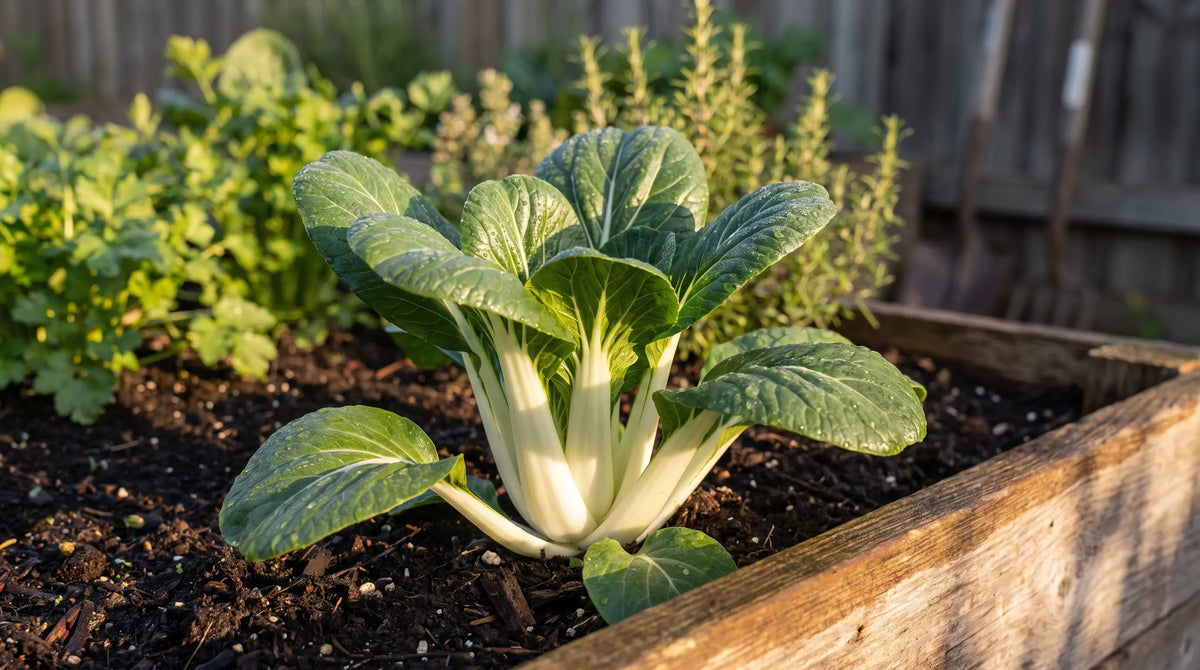
How to Grow Bok Choy From Seed
Updated July 2026
Bok choy (Brassica rapa subsp. chinensis), also called pak choi, is one of the fastest, most forgiving greens you can grow. This cool-season vegetable goes from seed to crisp, spoon-leaved heads in as little as a month, thrives in spring and fall, and does just as well in a garden bed as in a pot on the patio. If you want a quick, reliable harvest for stir-fries and soups, learning how to grow bok choy is a great place to start.
Best tip
At a glance
 Botanical name Botanical name | Brassica rapa subsp. chinensis |
|---|---|
 Plant type Plant type | Cool-season annual vegetable |
 USDA zones USDA zones | 2 to 11 (grown as a cool-season annual) |
 Sun Sun | Full sun to part shade |
 Days to maturity Days to maturity | 45 to 55 days (30 for baby) |
 Height Height | 8 to 18 inches |
 Spacing Spacing | 6 to 12 inches (4 to 6 for baby) |
 Water Water | Regular; keep evenly moist |
When to plant
How to plant
Growing and care
The best companion plants
Sale

Nasturtium Seeds for Sale – Non-GMO HeirloomHeirloom, non-GMOTrap crop for flea beetles and aphids, drawing pests away from your bok choy leaves.
Price$14.99Starting at$6.99
Sale

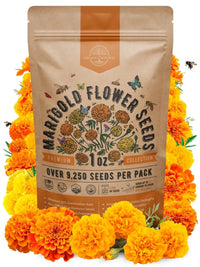
Marigold Seeds PackHeirloom, non-GMOBright blooms that repel cabbage pests and pull in pollinators near your greens.
Price$12.99Starting at$8.99
Sale

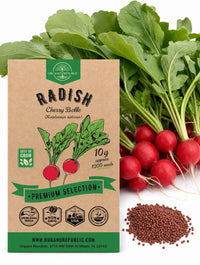
Cherry Belle Radish Seeds – Non-GMO HeirloomHeirloom, non-GMOQuick radishes share bok choy's cool season and lure flea beetles off your crop.
Price$4.99Starting at$3.99
Sale

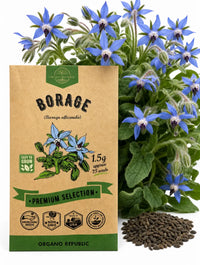
Borage Seeds – Non-GMO HeirloomHeirloom, non-GMOBorage flowers bring in bees and beneficial insects to the vegetable patch.
Price$5.99Starting at$4.99
Harvest
Uses
Common problems
Frequently asked questions
Should I direct sow bok choy or start it indoors?
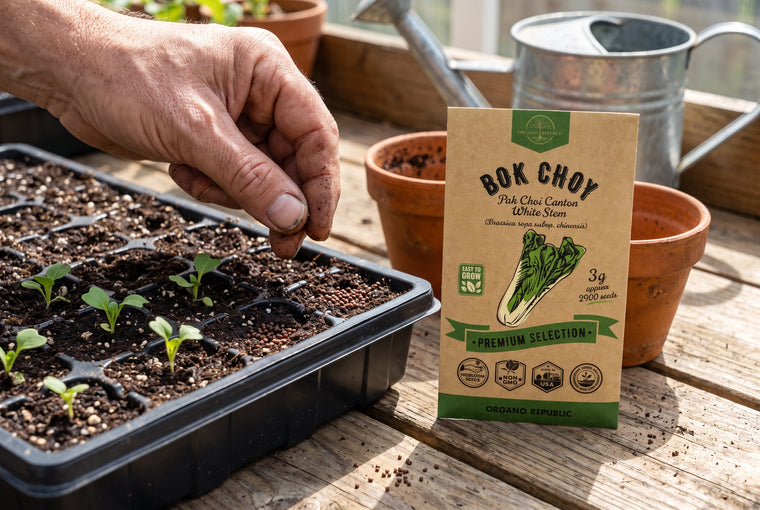
Both work. Bok choy grows fast and direct-sows well in stable cool weather, but its roots dislike disturbance, so if you start indoors do it in cells and transplant while young, 4 to 6 weeks before setting out. For spring, starting indoors helps you dodge the cold snaps that trigger bolting.
What is the difference between baby bok choy and full-size bok choy?
It is mostly about harvest timing and spacing, not variety. Space plants 4 to 6 inches apart and pick young at around 30 days for tender baby heads, or 6 to 12 inches apart and grow 45 to 55 days for full-size heads with thicker stems.
Can I grow bok choy in containers?
Yes, it is one of the easiest greens for pots. Use a container at least 6 to 8 inches deep, one plant per 6-inch pot or several in a window box, keep the mix evenly moist, and set it where it gets morning sun and afternoon shade in warm weather.
What pests bother bok choy and how do I stop them?
Flea beetles pepper the leaves with tiny holes, and cabbage worms and slugs chew larger ones. Float a lightweight row cover over young plants, hand-pick caterpillars, and plant radishes or nasturtiums nearby to pull flea beetles away.
Does bok choy regrow after cutting?
It can. If you cut the whole head about an inch above the soil rather than pulling it, the stub often pushes out a flush of small new leaves for a second, lighter harvest. Picking only the outer leaves also lets the center keep growing.
Can bok choy handle frost?
Light frost is fine and can even sweeten the leaves, which makes bok choy a great fall crop. Hard freezes will damage it, so cover plants or harvest before a deep freeze. In mild-winter regions it grows right through the cool season.
Sale

Bok Choy Seeds – Non-GMO HeirloomHeirloom, non-GMOFast, crisp heirloom bok choy: crunchy white stems and tender leaves in about 45 to 55 days.
Price$4.99Starting at$3.99
Want more than bok choy? These value sets all include bok choy seeds, plus many more greens and vegetables:
Sale

Greens & Vegetable Seeds Variety Pack – Non-GMO Heirloom75 varieties, bok choy includedA big greens-and-veg collection for the whole garden, bok choy included.
Price$63.99
Sale Price$59.99
Sale

Vegetable Seeds Variety Pack55 varieties, bok choy includedOur big all-in-one veggie multipack for a full kitchen garden, bok choy included.
Price$21.99Starting at$17.99

- Choosing a selection results in a full page refresh.









 Easy Returns 30-day guarantee