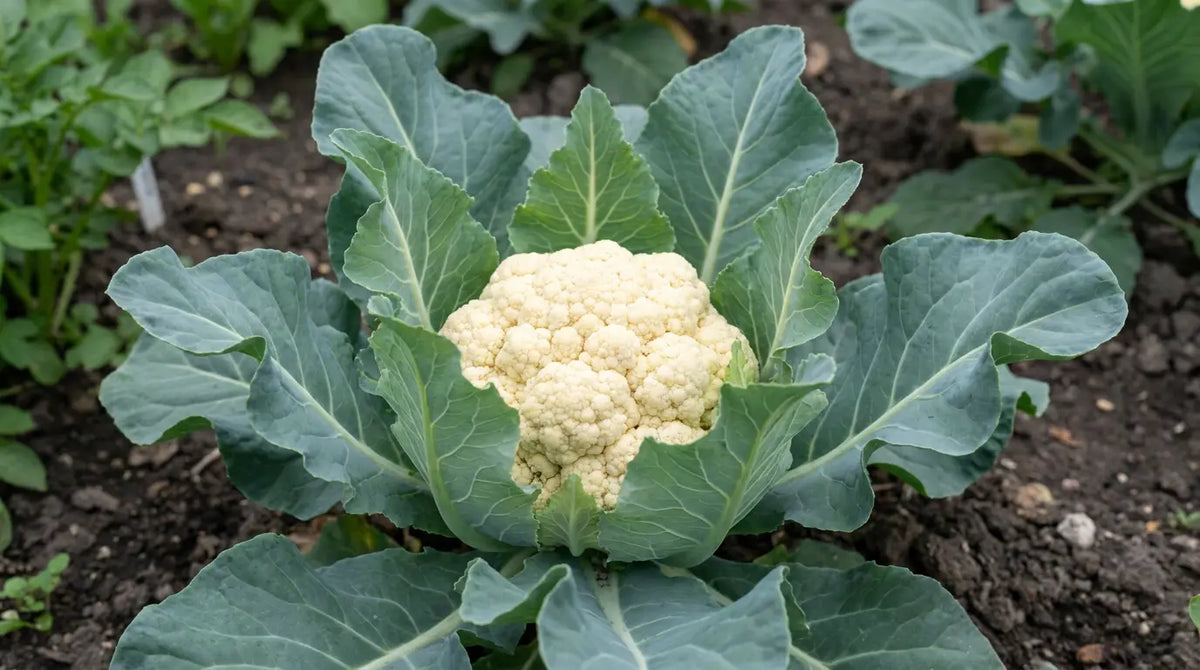
How to grow cauliflower: a mature white cauliflower head in the garden

How to Grow Cauliflower From Seed

Updated July 2026

Cauliflower has a reputation for being tricky, but the secret is simple: give it cool weather and never let it get thirsty. This guide covers how to grow cauliflower from seed, including the easy Snowball type, from starting seedlings to transplanting, blanching the white heads, and cutting them at just the right moment.

Best tip

Never let cauliflower get thirsty. More than any other brassica, a single dry spell or growth check is what gives you loose, ricey heads, so mulch well and water deeply and often. If you grow only one cauliflower crop a year, make it a fall one, when steady cool weather does half the work for you.

At a glance

Botanical nameBrassica oleracea var. botrytis
Plant typeCool-season annual vegetable
USDA zones2 to 11 (grown as a cool-season annual)
SunFull sun (6 or more hours)
Days to maturity65 to 80 days from transplant
Height18 to 24 inches
Spacing18 to 24 inches apart, rows 30 to 36 inches
Water1.5 to 2 inches a week; never let it dry out

When to plant

Cauliflower is the most weather-sensitive of the brassicas, so timing matters even more than with broccoli. For a spring crop, start seeds indoors 4 to 5 weeks before your last frost and transplant around that date. For a fall crop, which is usually easier and gives cleaner heads, start seeds in mid to late summer so the plants mature into cool autumn weather. Snowball Y Improved is an early variety that heads up in about 65 to 80 days from transplant.

How to plant

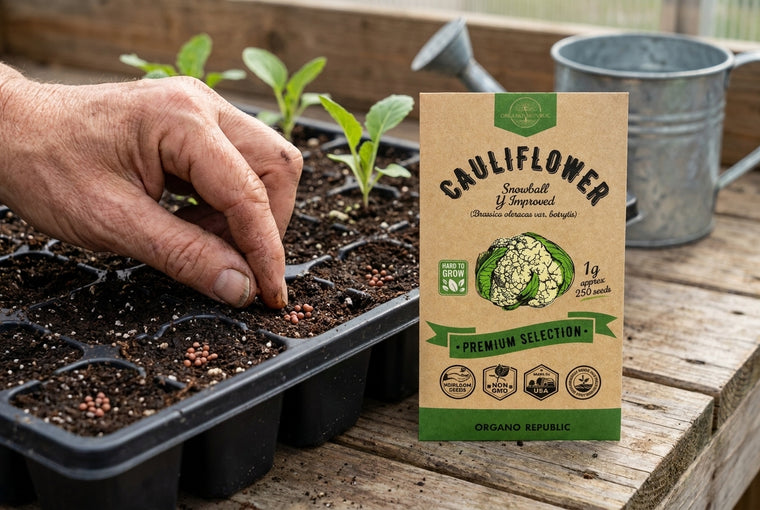
Sow cauliflower seeds a quarter inch deep in cell trays of moist seed-starting mix, two seeds per cell, and keep them around 70 to 75F. Seedlings appear in 4 to 10 days; thin to the strongest one. Harden them off, then transplant into rich, firm, well-drained soil in full sun, spacing plants 18 to 24 inches apart in rows about 30 to 36 inches apart. Water in well and keep the soil consistently moist from day one, since any check in growth can ruin the head.

Start Snowball cauliflower in cell trays, sowing a quarter inch deep, then transplant.

Growing and care

Steady is the whole game with cauliflower. Give it 1.5 to 2 inches of water a week so it never dries out, and feed regularly with a balanced fertilizer to keep growth unbroken. Once the head reaches the size of an egg, blanch white varieties by tying the outer leaves up over it to keep the curd creamy white. Watch for cabbage worms and aphids and pick or wash them off. In hot regions like the South or interior California, grow cauliflower only as a fall and winter crop; a summer planting or a spring heat wave leads to loose, ricey, or bitter heads. In the North, both spring and fall crops can do well.

The best companion plants

Cauliflower does best beside plants that pull its pests away and bring in helpful insects. These four make especially good neighbors in a brassica bed, and you can add any of them in one click:

SaleNasturtium Seeds
Nasturtium SeedsHeirloom, non-GMOA brassica trap crop: flea beetles and cabbage worms flock to nasturtium instead of your cauliflower.
Price$14.99Starting at$6.99
View product
SaleCherry Belle Radish Seeds – Non-GMO Heirloom
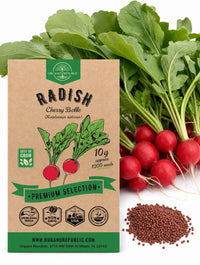
Cherry Belle Radish Seeds – Non-GMO HeirloomHeirloom, non-GMOQuick radishes pull flea beetles off young cauliflower and are harvested long before it heads.
Price$4.99Starting at$3.99
View product
SaleMarigold Seeds Pack
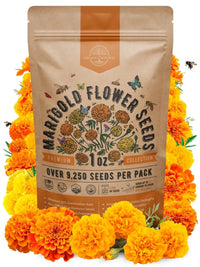
Marigold Seeds PackHeirloom, non-GMOMarigolds deter pests and draw in hoverflies and wasps that hunt cabbage worms.
Price$12.99Starting at$8.99
View product
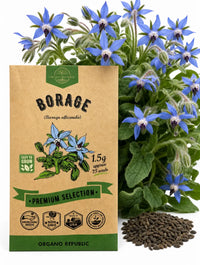
SaleBorage Seeds
Borage SeedsHeirloom, non-GMOBorage brings in bees and beneficial insects and makes a good living mulch beside brassicas.
Price$5.99 Sale Price$4.99
View product

Cauliflower hates stress. Heat, drought, cold shocks, or root disturbance make it form loose grainy curds, tiny buttons, or no head at all. Keep growth steady with even water and feeding, and grow it in cool, stable weather, leaning on a fall crop in warm climates.

Harvest

Harvest cauliflower while the head is full, firm, and still tight, usually 7 to 12 days after you blanch it. Cut the whole head with a few wrapper leaves attached, in the cool of the morning. Do not wait for it to get bigger: once the curd starts to loosen and separate, the texture and flavor go downhill fast. Unlike broccoli, cauliflower does not produce useful side shoots, so one head per plant is the crop.

Uses

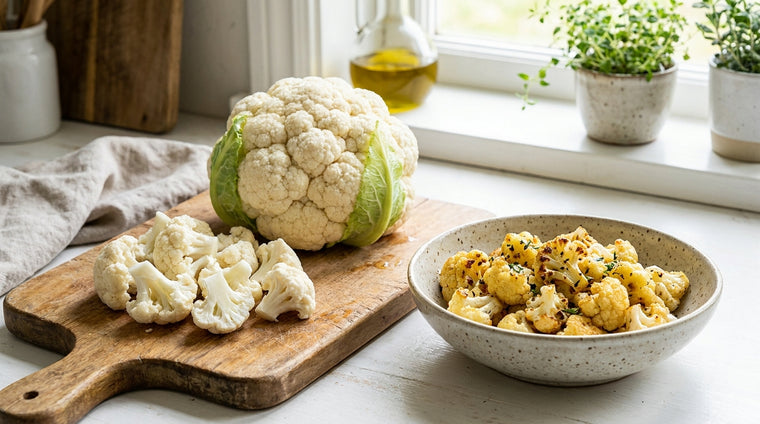
Cauliflower is mild and versatile. Roast the florets at high heat until the edges brown and sweeten, steam them for a few minutes, or pulse raw florets into cauliflower rice. It also mashes into a smooth side and blends into soups. The tender inner leaves are good roasted too. Homegrown Snowball is sweet and dense, and it freezes well after a quick blanch.

Fresh homegrown cauliflower, ready to roast or rice.

Common problems

  • Ricey or loose curds: usually heat or a growth check. Keep water and feeding steady and harvest promptly once the head is full.
  • Buttoning (tiny heads): from stress or a cold shock at transplant. Grow strong seedlings and harden them off gently.
  • Yellowing heads: sun exposure on white types. Blanch by tying the leaves over the head once it is egg-sized.
  • Cabbage worms and aphids: pick worms off or use row cover, and rinse aphids away with a strong spray of water.

Frequently asked questions

How long does cauliflower take to grow from seed?

Snowball-type cauliflower matures in about 65 to 80 days. Starting indoors adds roughly 4 to 5 weeks in the tray before you transplant, so plan on close to three months from sowing to a cut head.

Why is my cauliflower not forming a head?

Cauliflower is fussier than broccoli about steady conditions. Heat, cold snaps, dry spells, or a check in growth can cause tiny buttons or loose ricey heads. Keep it evenly watered and fed, and time the crop for cool, stable weather, ideally as a fall planting.

What does blanching cauliflower mean?

For white varieties like Snowball, blanching means shading the head so it stays creamy white. Once the head is about the size of an egg, gather the large outer leaves up and over it and tie them loosely, or snap a few leaves across the top. Check every few days and harvest when the head is full and firm.

Can you grow cauliflower in containers?

Yes, though it needs room. Use a pot at least 16 inches wide and deep, one plant per pot, in full sun. Water often and feed regularly, since cauliflower is a heavy feeder that resents drying out.

When should I plant cauliflower?

For spring, start seeds indoors 4 to 5 weeks before the last frost and transplant around the last frost date. For fall, which is often more reliable, start seeds in mid to late summer so the heads mature in cool autumn weather.

Is my cauliflower still good if it turns purple or grainy?

A head that goes loose and grainy (ricing) or takes on a purple or brown tinge has usually been stressed by heat or has passed its prime, but it is still safe to eat. Harvest at the first sign so it does not get worse, and blanch white types to keep them creamy.

Ready to grow your own? Start with a packet of heirloom Snowball cauliflower seeds.

SaleCauliflower Snowball Y Improved Seeds
Cauliflower Snowball Y Improved SeedsHeirloom, non-GMOHeirloom Snowball Y Improved: dependable, tight white cauliflower heads.
Price$5.99 Sale Price$4.99
View product

Want more than cauliflower? These value sets all include cauliflower seeds, plus many more vegetables:

Sale75 Greens & Vegetable Seeds Variety Pack
75 Greens & Vegetable Seeds Variety Pack75 varieties, cauliflower included75 greens and vegetable varieties, a big garden in one box, cauliflower included.
Price$63.99 Sale Price$59.99
View product
SaleWinter Vegetable Seeds Variety Pack
Winter Vegetable Seeds Variety Pack25 varieties, cauliflower included25 cold-hardy vegetables chosen for cool weather, cauliflower included.
Price$27.99Starting at$24.99
View product
Maxim Kaufman, Founder and CEO of Organo Republic

By Maxim Kaufman — Founder & CEO, Organo Republic

Maxim founded Organo Republic in 2017 and personally selects, tests, and grows the heirloom, non-GMO varieties the company offers. Under his leadership, Organo Republic was named Agri Business Review’s Top Non-GMO Seed Variety Solution 2026.

Stay Connected

Join Our Garden Community

Daily garden inspiration, how-to videos & behind-the-seeds stories.