


How to Grow Okra From Seed
Updated July 2026
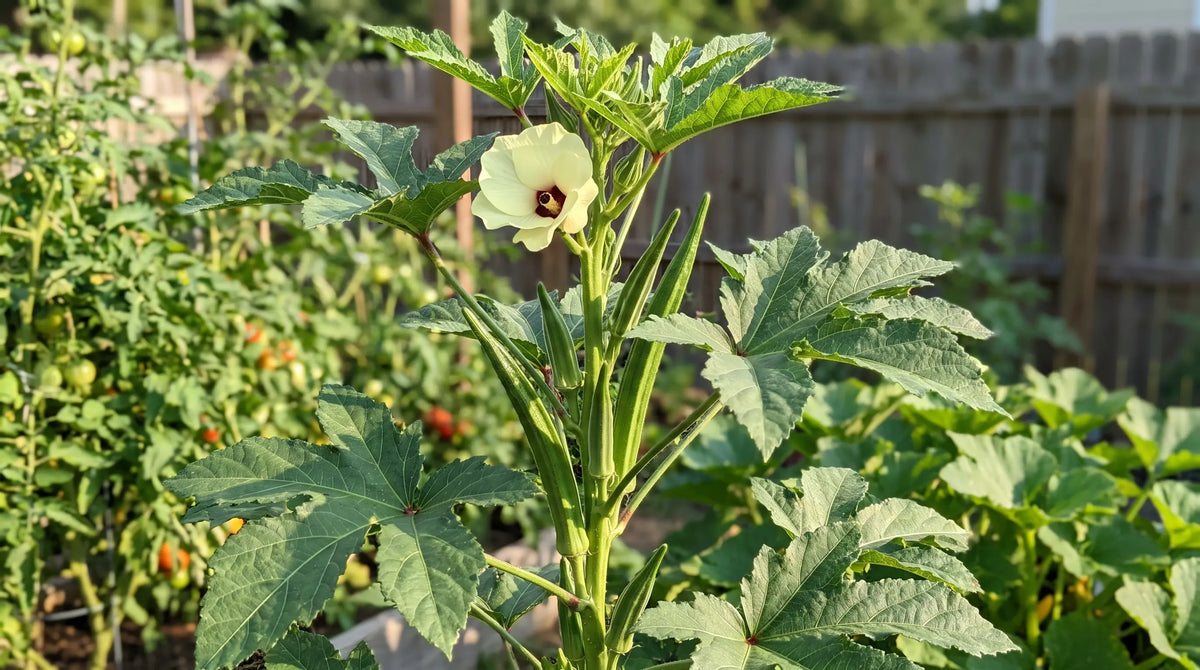
Okra is one of those crops that rewards a little patience with a whole summer of harvests. Clemson Spineless is a heirloom, non-GMO favorite that loves heat, which is why it has been a Southern garden staple for generations. Once the frost is gone and the soil is truly warm, it grows fast, stands tall, and keeps setting tender pods for gumbo, frying, roasting, and pickling. This guide walks you through growing okra from seed, from soaking and sowing at the right time to picking pods young so the plants keep producing.
Best tip
At a glance
 Botanical name Botanical name | Abelmoschus esculentus |
|---|---|
 Plant type Plant type | Warm-season annual |
 USDA zones USDA zones | Zones 3 to 11 as a heat-season annual |
 Sun Sun | Full sun |
 Days to maturity Days to maturity | 55 to 60 days |
 Height Height | 4 to 6 ft tall |
 Spacing Spacing | 12 to 18 in apart, rows 3 ft apart |
 Water Water | 1 inch per week, drought-tolerant once established |
When to plant
How to plant
Growing and care
Sale

Mycorrhizal Fungi GranulesFeeds roots naturallyMix a little into the planting hole to boost okra's roots.
Price$39.99Starting at$29.99
The best companion plants
Sale

Nasturtium Seeds for Sale – Non-GMO HeirloomHeirloom, non-GMONasturtiums trap aphids away from okra and draw in pollinators.
Price$14.99Starting at$6.99
Sale

Marigold Seeds PackHeirloom, non-GMOMarigolds help hold down nematodes and pests around the okra row.
Price$12.99Starting at$8.99
Sale

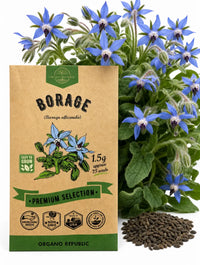
Borage Seeds – Non-GMO HeirloomHeirloom, non-GMOBorage pulls in bees and beneficial insects that visit okra's big blooms.
Price$5.99Starting at$4.99
Sale

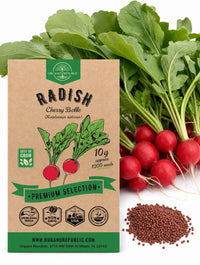
Cherry Belle Radish Seeds – Non-GMO HeirloomHeirloom, non-GMOQuick radishes fit between young okra plants and are pulled long before okra needs the room.
Price$4.99Starting at$3.99
Harvest
Uses

Common problems
Frequently asked questions
Should you soak okra seeds before planting?
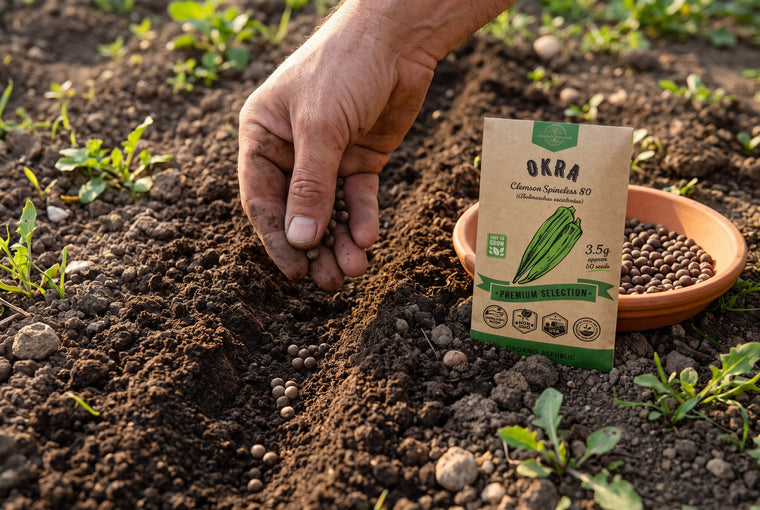
Yes. Okra has a hard seed coat, so soaking the seeds in warm water for 4 to 6 hours, or overnight, softens it and helps them sprout faster and more evenly. Sow the soaked seeds right away into warm soil.
How long does okra take to grow from seed?
Clemson Spineless okra reaches maturity in about 55 to 60 days from sowing. Seeds usually sprout in 7 to 14 days once the soil is warm, and the plants keep producing pods for the rest of the hot season.
Why are my okra seeds not coming up?
The most common reason is cold, wet soil, which makes okra seeds rot before they sprout. Wait until all frost has passed and the soil has warmed to at least 65 to 70F, then sow. Warmth is the key to getting okra out of the ground.
How often should you pick okra, and why wear gloves?
Pick okra every one to two days while pods are still 2 to 4 inches long, because they turn tough and woody fast if left on the plant. Many people wear gloves and long sleeves since the pods and leaves can have fine spines that itch. Frequent picking also keeps the plant setting new pods.
How tall does okra grow, and how far apart should you space it?
Clemson Spineless okra grows tall, usually 4 to 6 feet high, so give it room. Thin or space plants 12 to 18 inches apart in rows about 3 feet apart. That spacing lets each plant get full sun and good airflow.
Can you grow okra in a cool northern climate?
Yes, with a little help. In the cool North, start seeds indoors 4 to 6 weeks before your last frost, warm the soil with black plastic before transplanting, and pick a fast type like Clemson Spineless. Give it the sunniest, warmest spot you have and it will still produce.
Sale

Clemson Spineless Okra Seeds – Non-GMO HeirloomHeirloom, non-GMOHeirloom Clemson Spineless: the classic tender, productive okra.
Price$4.99Starting at$3.99
Want more than okra? These value sets all include okra seeds, plus many more vegetables:
Sale

Summer Vegetable Seeds Variety Pack – Non-GMO Heirloom25 varieties, okra includedA summer garden of fruiting crops, okra included.
Price$27.99
Sale Price$24.99

- Choosing a selection results in a full page refresh.


















 Easy Returns 30-day guarantee