

They are built on your USDA zone and historical average frost dates, which is the same method universities and extension services use. Weather still varies year to year, so treat each date as the center of a window and adjust a week in either direction for an unusual season.
Zone borders are gradual, and yards have microclimates: a south-facing wall runs warmer, a low spot collects frost. If you are on a boundary, use the colder zone's dates for tender crops. You lose a little season but never lose plants to a late freeze.
Yes. Fall dates count backward from your first autumn frost, so the calendar shows when a late sowing of lettuce, spinach, carrots, or radishes still has time to mature. In mild zones it also covers overwintering crops like garlic and cold-hardy greens.
Most crops that benefit from an indoor start are sown 4 to 8 weeks before your last spring frost: tomatoes and peppers on the long end, brassicas and lettuce on the short end. Enter your ZIP code above and the calendar gives the indoor start date per crop.
For annual vegetables, herbs, and most flowers, no: the same seed grows in nearly every zone, only the timing changes. Zone matters most for perennials, which must survive your winter. Check the zone range on any perennial before planting it outdoors year round.






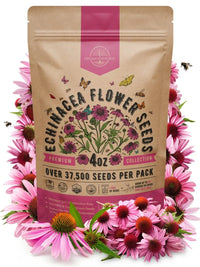
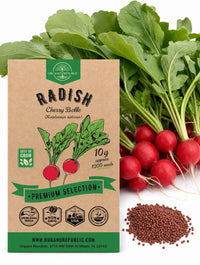

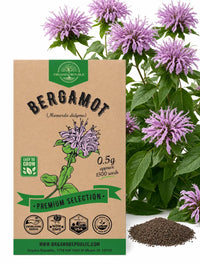

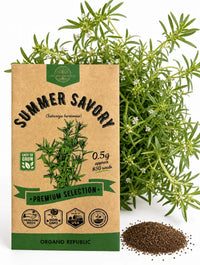

 Easy Returns 30-day guarantee