






What are mycorrhizal fungi granules used for?
They add beneficial fungi that colonize roots and greatly extend their reach into the soil, improving uptake of water and nutrients for stronger plants.
Is the 4oz size enough for my needs?
The 4oz bag is a convenient starter size for containers, houseplants, or a small number of transplants and garden plants.
How do I apply the granules?
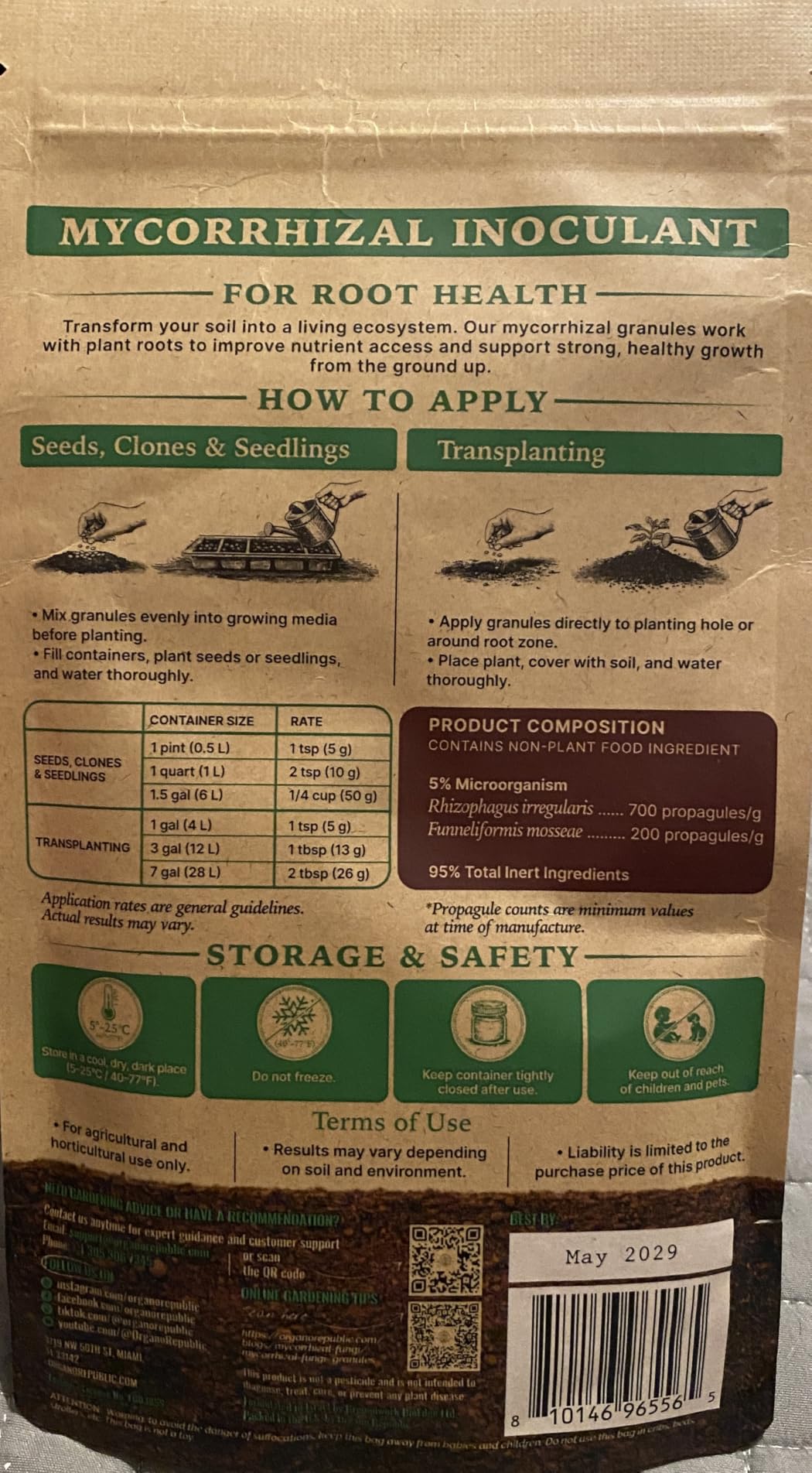
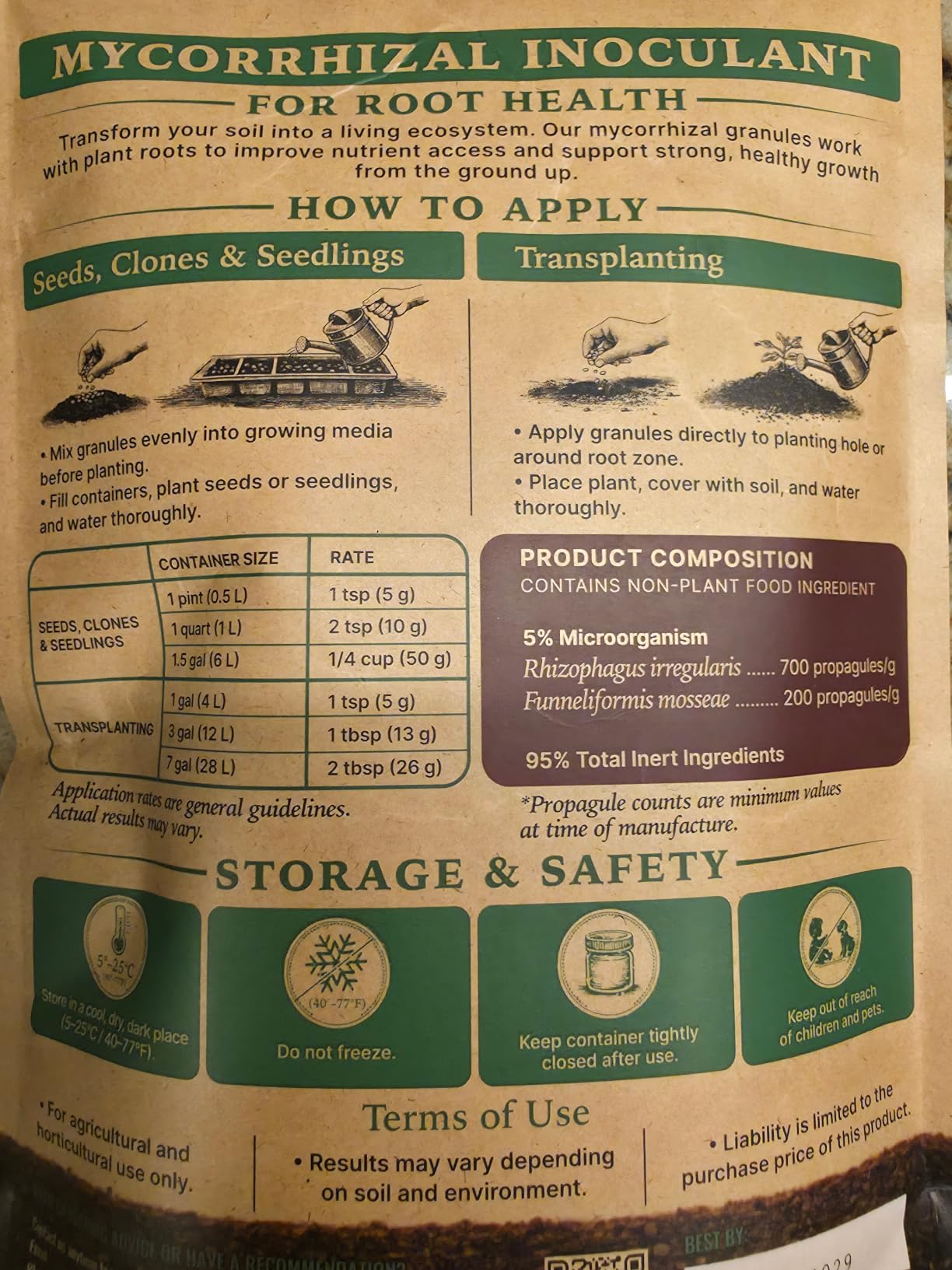
Put the granules right against the roots at planting time, in the hole or on the root ball, so the fungi can contact and colonize living roots.
Are they safe for edibles and organic gardening?
Yes. These fungi are a natural part of healthy soil and are suitable for vegetables, herbs, fruit, and organic gardens.
Do all plants benefit from mycorrhizae?
Most do, but a few such as brassicas and beets do not form these partnerships and see little benefit; the majority of garden plants respond well.
How often do I need to reapply?
Focus on good root contact at planting. Once colonized the fungi persist in the soil, so you mainly reapply when adding new plants.
Does it help with transplant shock?
By supporting fast root establishment and water uptake, it helps plants settle in and reduces transplant shock.
Which size should I choose?
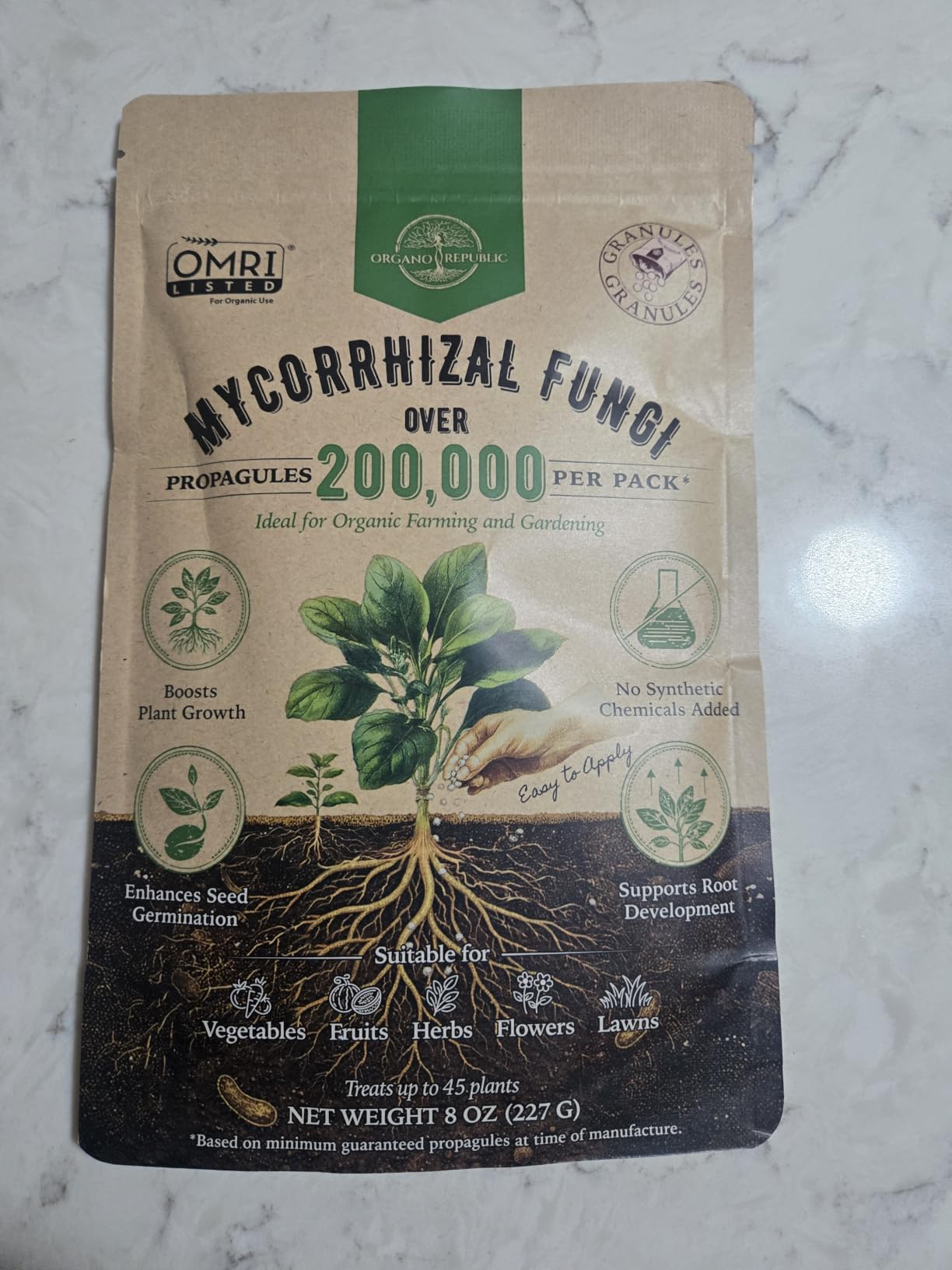
The 4oz bag treats about 22 plants and suits containers and houseplants, the 8oz bag covers up to 45 plants, and the 1lb bag is the best value for a whole garden or repeat plantings.
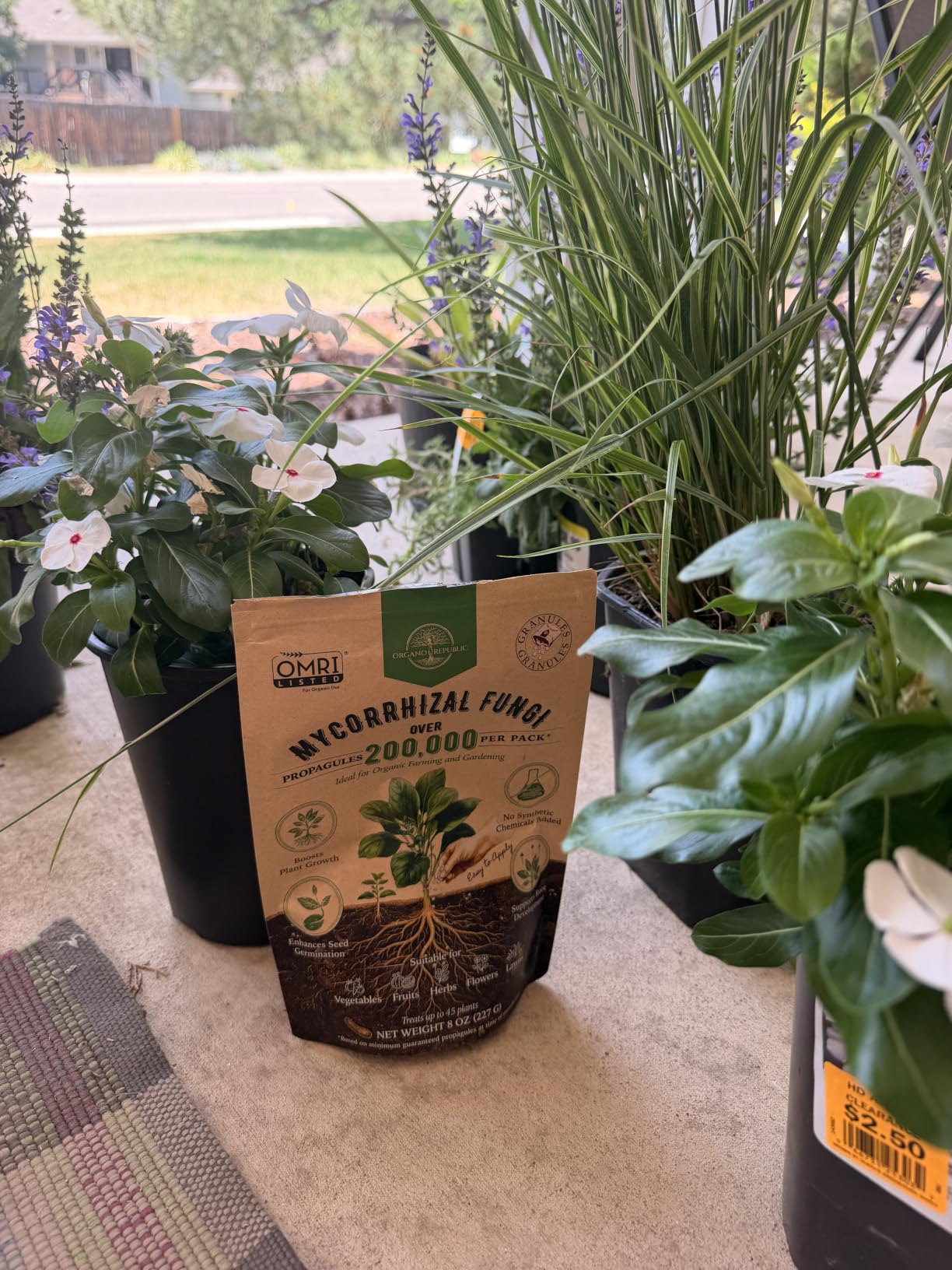
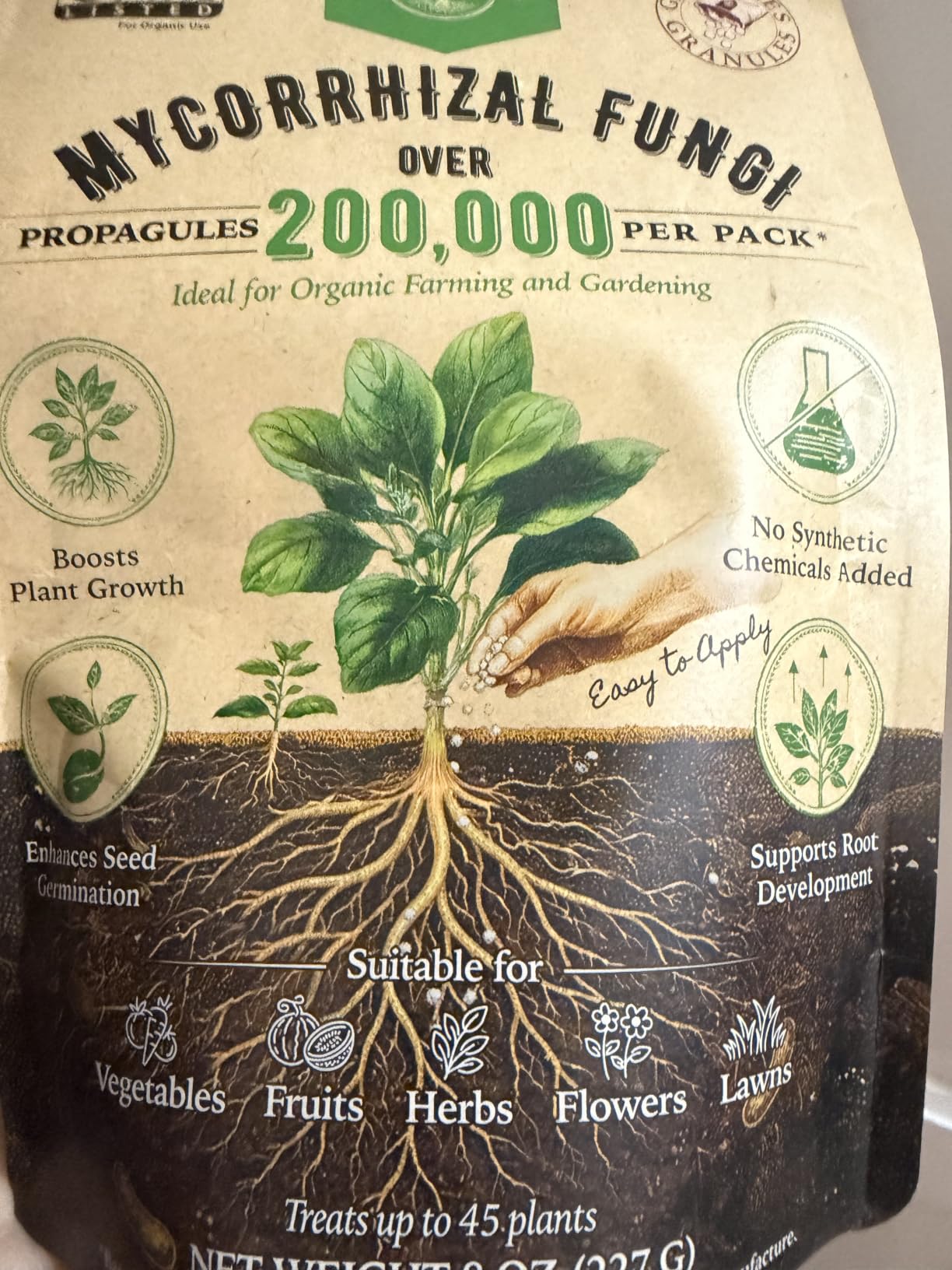
What does this 8oz bag of mycorrhizal fungi do?
It delivers beneficial fungi that attach to plant roots and expand their nutrient- and water-gathering network, supporting healthier, more resilient plants.
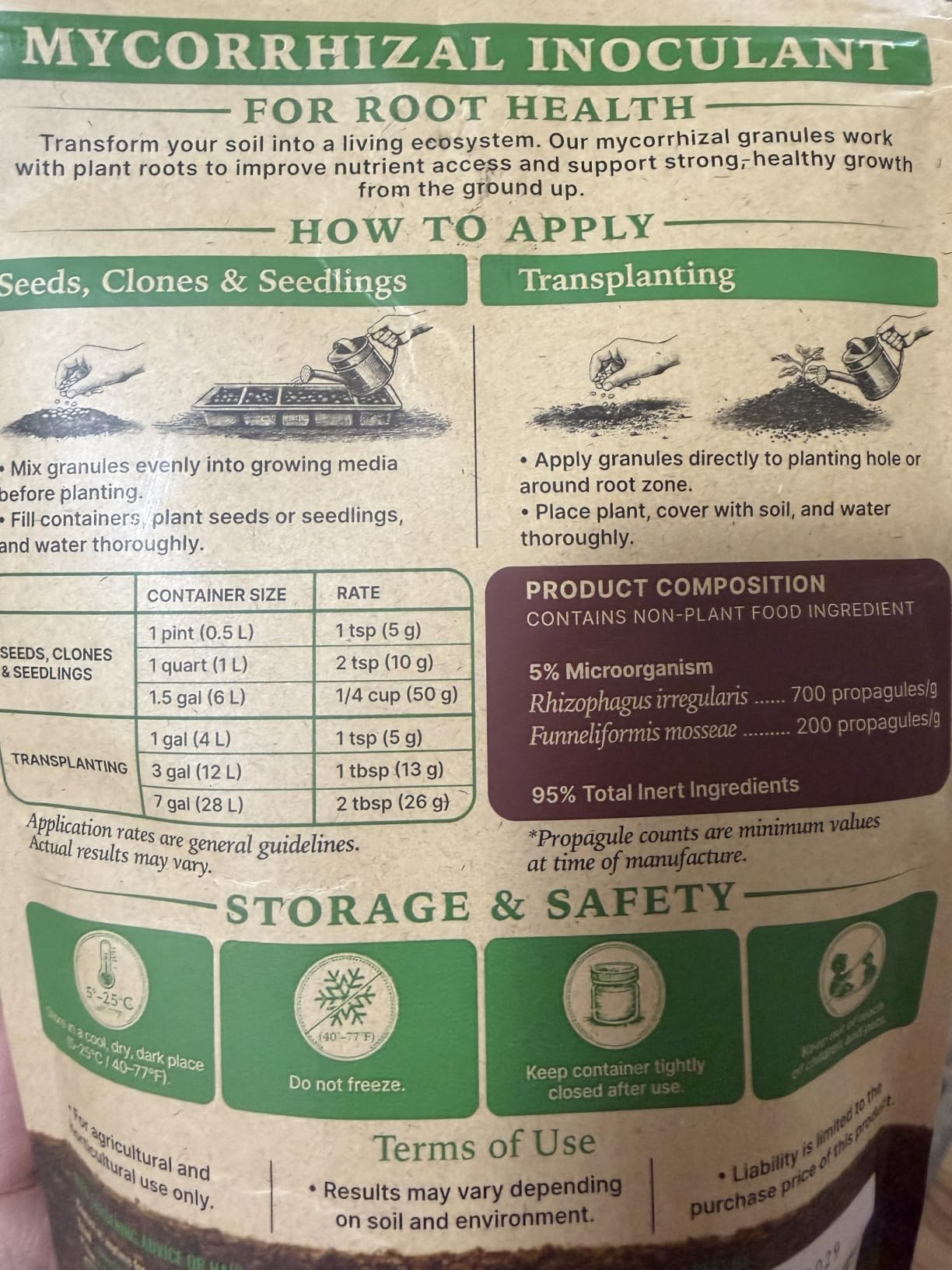
How do I apply mycorrhizal granules?
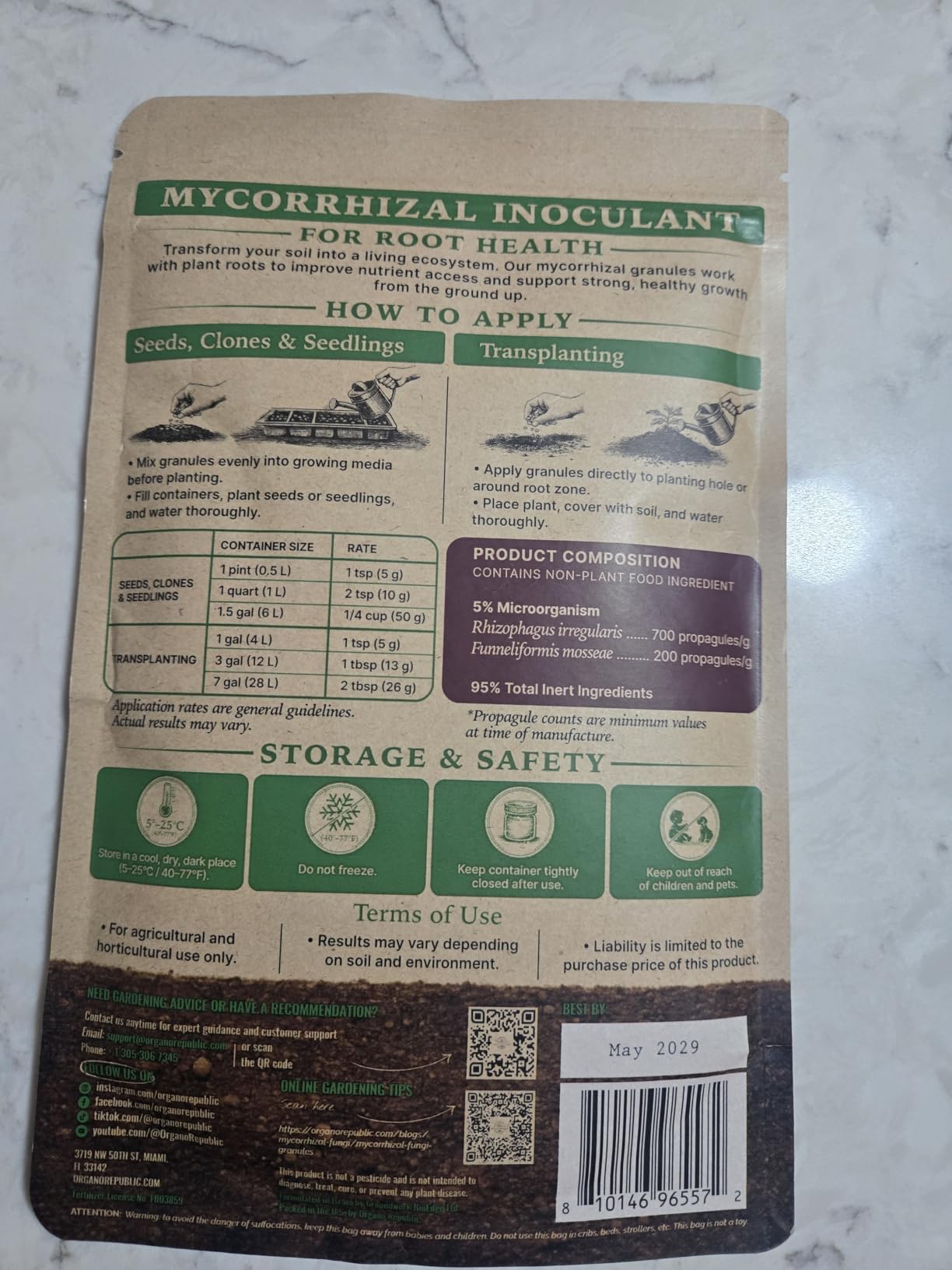
Place the granules in direct contact with the roots at planting, either in the hole or sprinkled on the root ball, since the fungi must touch living roots to colonize.
Is the 8oz size right for my garden?
The 8oz bag is a good mid-size option for home gardeners planting a number of beds, containers, or transplants in a season.
Can I use it on vegetables and in organic gardens?
Yes. It is a natural soil amendment that works well with vegetables, herbs, fruit, and organic growing.
Which plants should I not expect results from?
Brassicas (like cabbage and broccoli) and beets generally do not form mycorrhizal partnerships, so they benefit little; most other crops do.
When is the best time to apply it?
Apply at planting or transplanting for best root contact. Established colonies persist, so ongoing reapplication is mainly for new plantings.
Does it help with transplant shock?
By supporting fast root establishment and water uptake, it helps plants settle in and reduces transplant shock.
Which size should I choose?
The 4oz bag treats about 22 plants and suits containers and houseplants, the 8oz bag covers up to 45 plants, and the 1lb bag is the best value for a whole garden or repeat plantings.
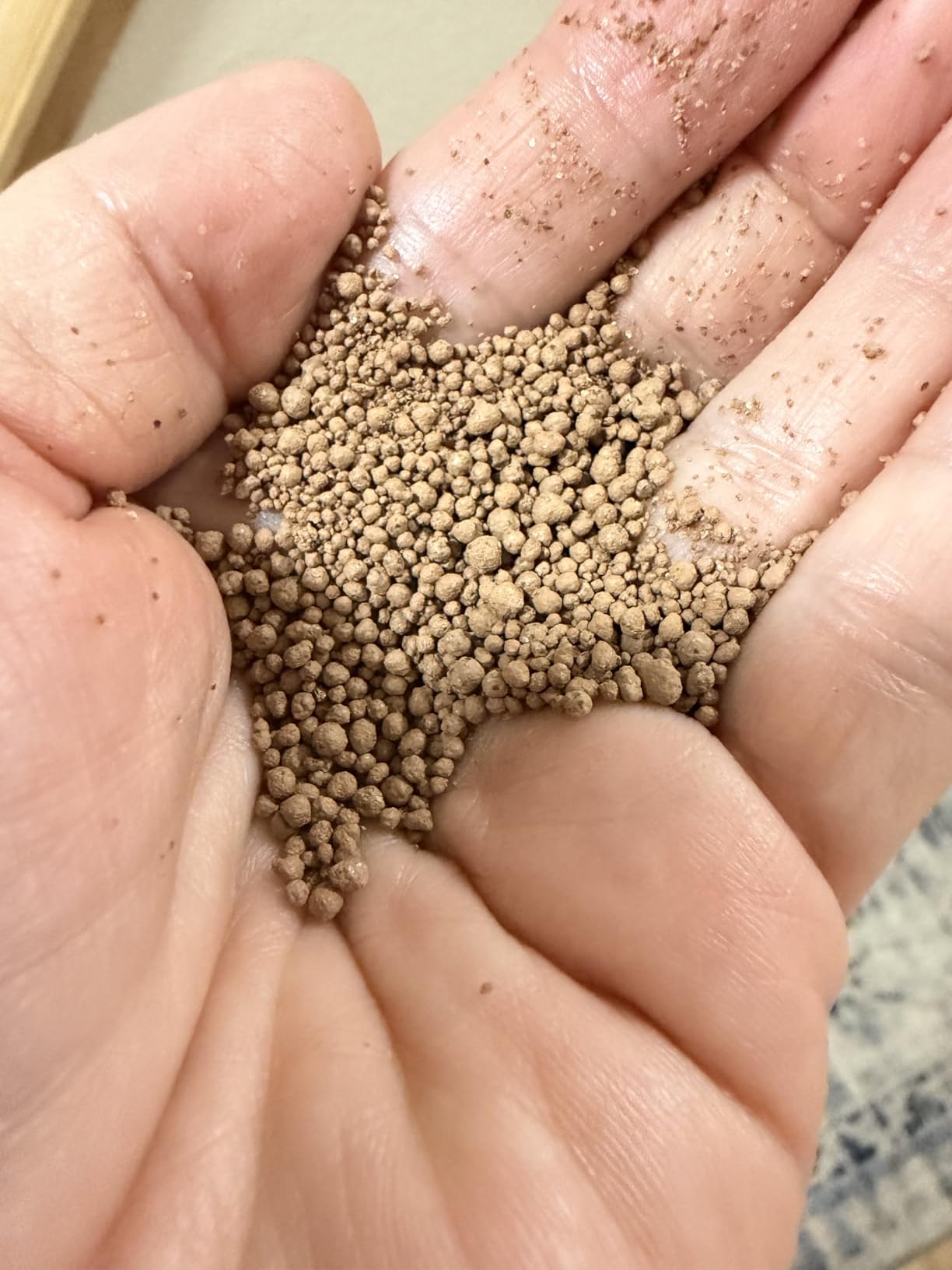
What do these mycorrhizal fungi granules do?
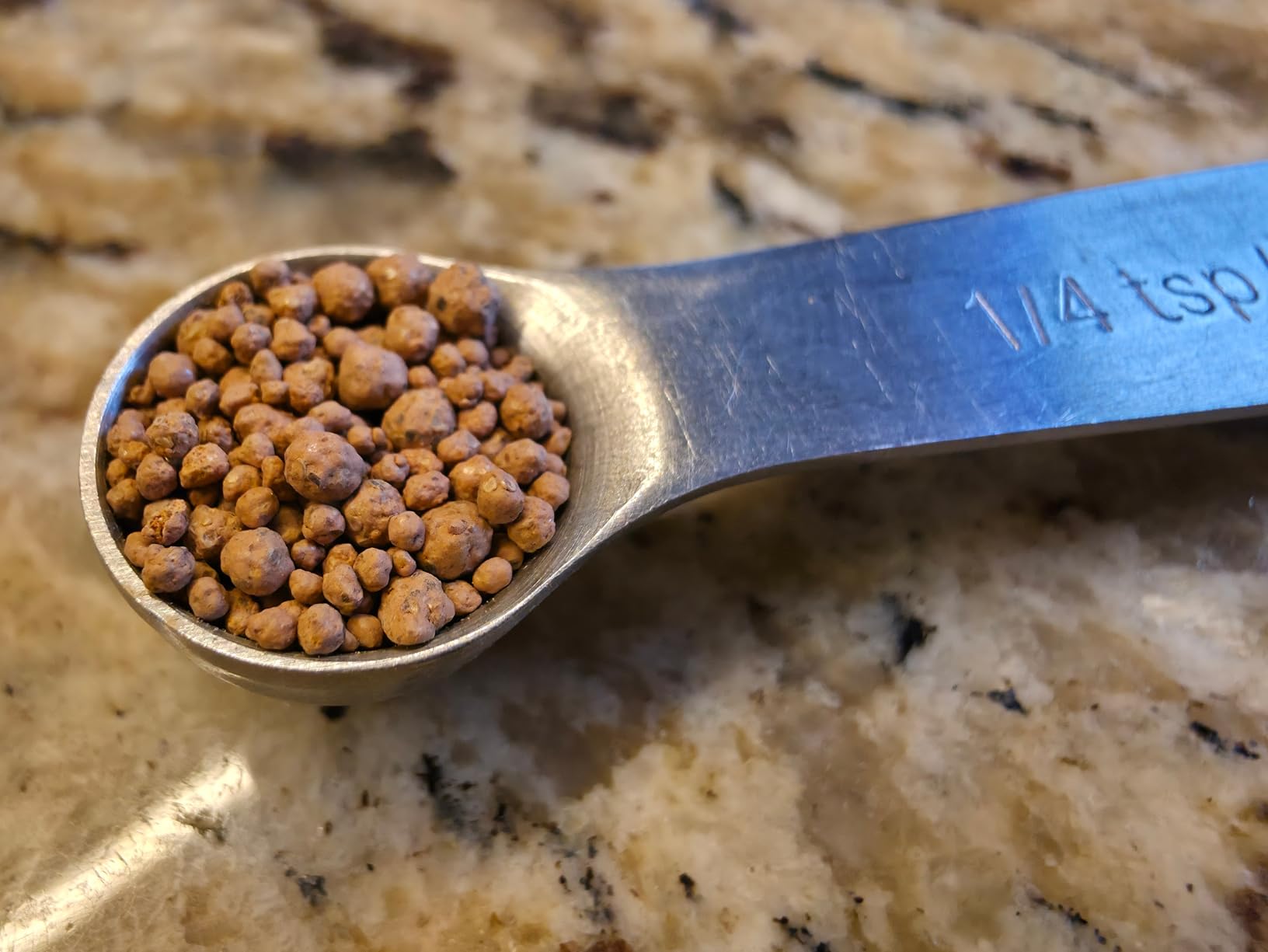
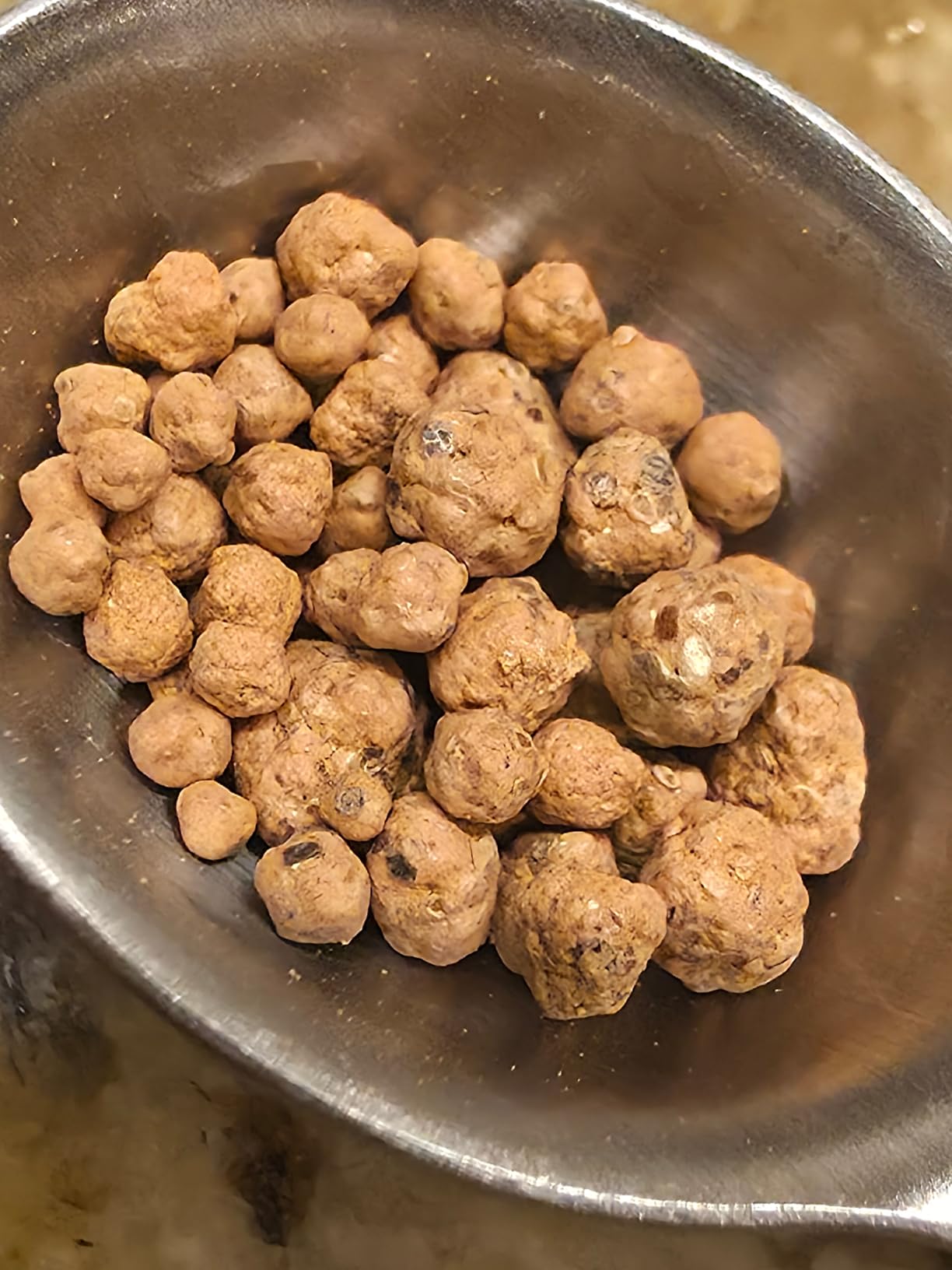
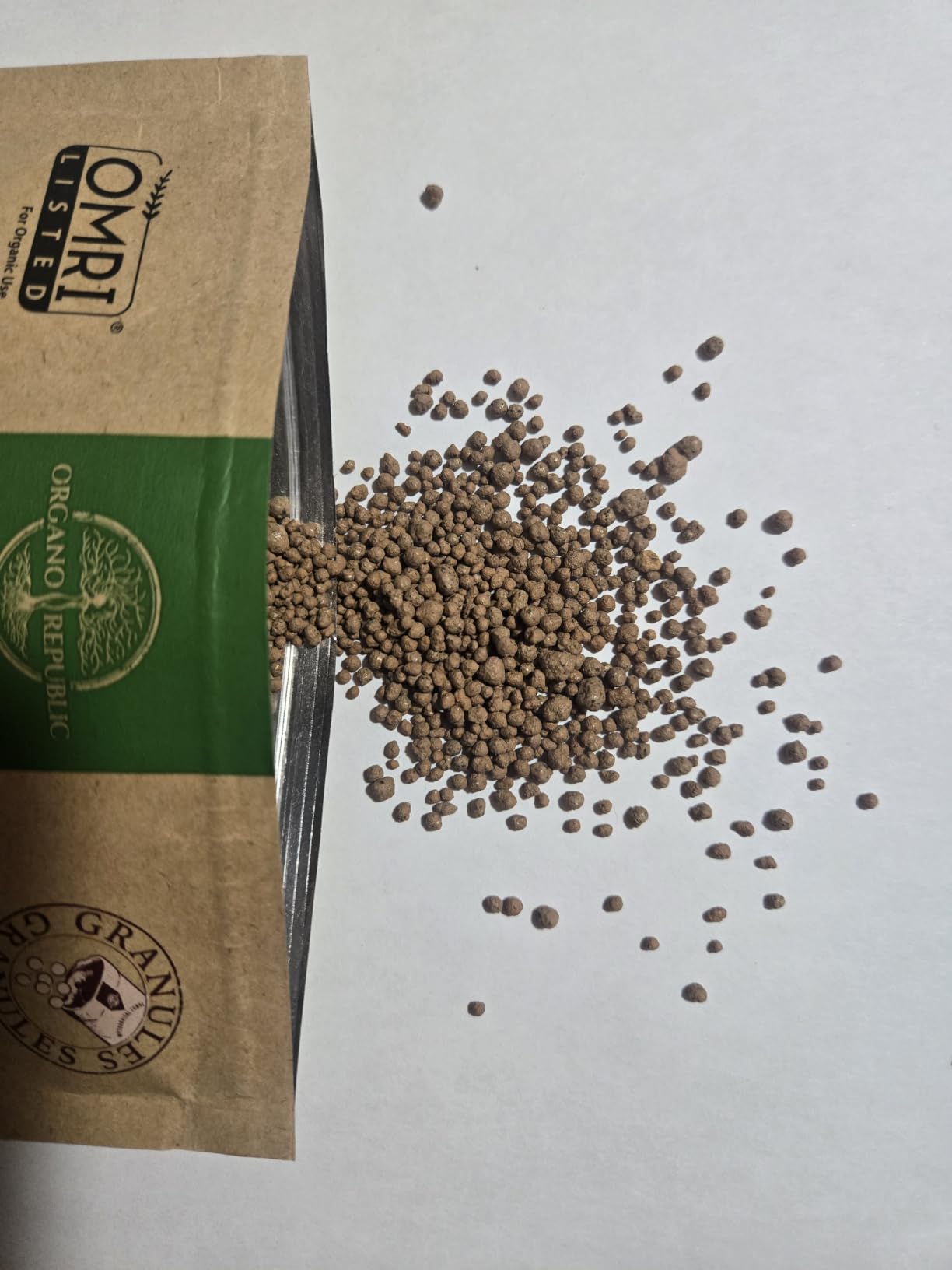
They introduce beneficial mycorrhizal fungi that colonize plant roots and extend their reach, helping roots take up water and nutrients more effectively for stronger growth.
How concentrated is this product?
The granules are highly concentrated at around 400,000 propagules per gram, so a little goes a long way across your garden or containers.
How and when do I apply the granules?
Apply at planting or transplanting by placing granules in the planting hole or dusting them directly onto the root ball so the fungi make contact with living roots.
Are these granules safe for edible plants and organic gardens?
Yes. Mycorrhizal fungi are a natural soil organism and are well suited to vegetables, herbs, fruit, and organic gardening.
Which plants benefit from mycorrhizal fungi?
Most vegetables, flowers, trees, and shrubs benefit. A few families such as brassicas and beets do not form these associations, so they see little effect.
Do I need to reapply every season?
Once established the fungi persist in the soil, so the main goal is good root contact at planting; reapply when starting new plants or new beds.
Does it help with transplant shock?
By supporting fast root establishment and water uptake, it helps plants settle in and reduces transplant shock.
Which size should I choose?
The 4oz bag treats about 22 plants and suits containers and houseplants, the 8oz bag covers up to 45 plants, and the 1lb bag is the best value for a whole garden or repeat plantings.









 Easy Returns 30-day guarantee