- 10
- 15
- 20
- 25
- 30
- 50
- Featured
- Most relevant
- Best selling
- Alphabetically, A-Z
- Alphabetically, Z-A
- Price, low to high
- Price, high to low
- Date, old to new
- Date, new to old
Sort by:
- Featured
- Most relevant
- Best selling
- Alphabetically, A-Z
- Alphabetically, Z-A
- Price, low to high
- Price, high to low
- Date, old to new
- Date, new to old
Included in Sets - Starts at $0.48 per Bergamot Seeds Variety
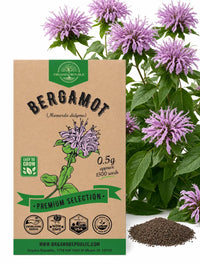
Grow your own wild bergamot (Monarda), the showy North American herb also known as bee balm, with shaggy lavender-pink blooms and a bright, minty-citrus aroma. Whether you want to buy bergamot seeds for a pollinator border, a cottage garden, or a patch of fragrant tea herbs, you have come to the right place. Our non-GMO heirloom bergamot seeds sprout reliably and grow easily into hardy, come-back-every-year perennials. Bergamot is a forgiving, low-fuss plant that bees, butterflies, and hummingbirds cannot resist, and even a small clump turns into a summer-long show. Browse our bergamot seeds below, then follow our complete bergamot growing guide to take your plants from seed to bloom.
What we love about growing bergamot
- Irresistible to bees, butterflies, and hummingbirds all summer long
- Hardy perennial that comes back bigger and better every year
- Low-maintenance and forgiving once it settles in
- Bright, minty-citrus fragrance in the leaves and showy shaggy blooms
- Open-pollinated heirloom you can save and resow year after year
The pollinator-magnet herb worth a spot in your garden
Bergamot (Monarda), better known as bee balm, is a hardy perennial herb native to North America, grown for its crown of shaggy tubular flowers and its bright, minty, faintly citrusy scent. The blooms come in lavender, pink, and red and stand a couple of feet tall on square mint-family stems. It is a favorite of bees, butterflies, and hummingbirds, and a single established clump lights up a border from midsummer onward.
How to grow bergamot from seed
Bergamot is easy to start from seed and comes back year after year. Sow bergamot seeds on or barely under the surface of moist, well-drained soil in full sun to part shade, as they need light to germinate, and keep them damp until they sprout. Plants reach roughly 2 to 4 feet tall, spread into cheerful clumps, and usually bloom from the second summer on. Give them decent air flow to keep the foliage healthy. For the full step-by-step, see our complete guide to growing bergamot from seed.
How to use bergamot
Bergamot is as useful as it is beautiful. The flowers and leaves are edible, with a minty-oregano flavor that brightens salads and makes a colorful garnish, and the petals scatter prettily over desserts. Bee balm is best known as a tea herb and is traditionally brewed into a fragrant herbal tea, sometimes called Oswego tea. In the garden it doubles as a long-lasting cut flower and one of the best plants you can grow for pollinators.
Bergamot and its mint-family cousins
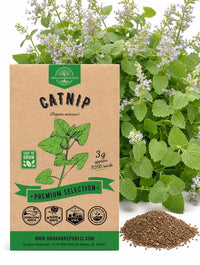
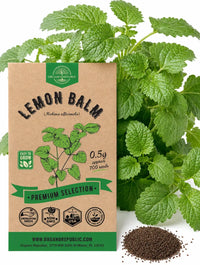
If you love bergamot, you will enjoy its aromatic mint-family relatives. Try lemon balm for a lemony tea herb, catnip for another pollinator favorite, or mint for classic fragrance and flavor. You can explore the full range in our herb seeds collection.
Why buy bergamot seeds from Organo Republic
Every packet of bergamot seed we sell is non-GMO, open-pollinated heirloom, and germination tested, so you can sow with confidence. As a U.S.-based licensed seed dealer, we work directly with trusted growers to keep quality high and prices low, and every pack carries a QR code that links straight to free online growing guides. Orders over $49 ship free. Whether you want a single pack of bee balm or a curated herb collection, you will find dependable, easy-to-grow seed here.