


How to Grow Swiss Chard From Seed
Updated July 2026
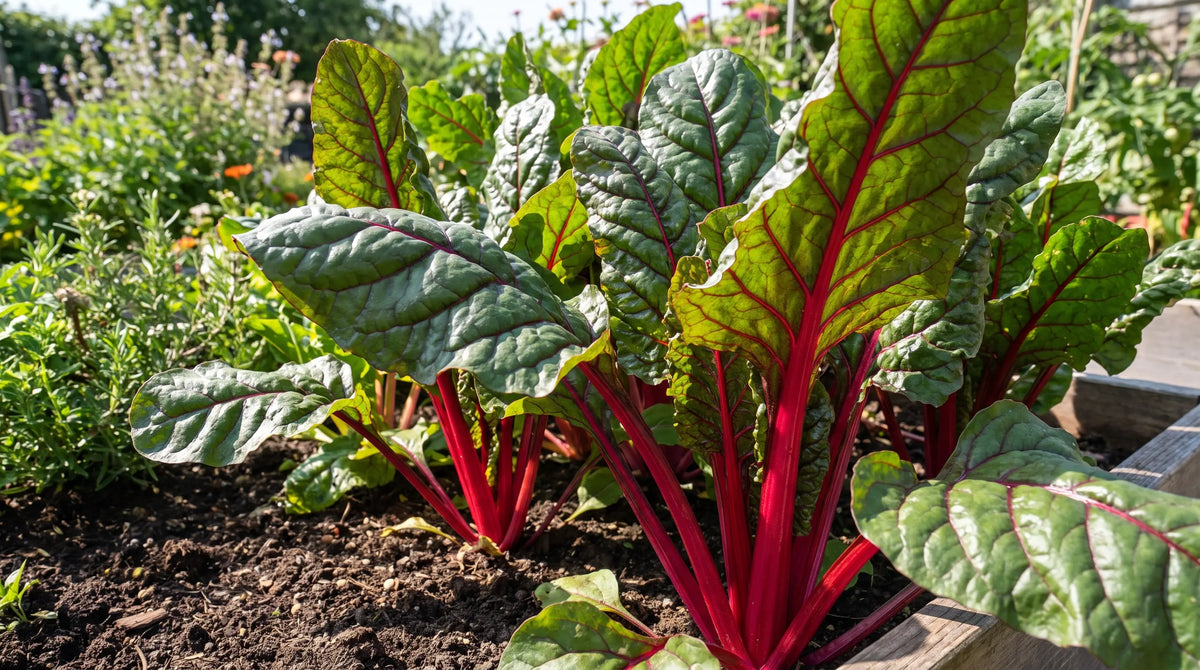
Learning how to grow Swiss chard (Beta vulgaris subsp. cicla) gives you one of the most forgiving greens in the garden. A relative of the beet, chard shrugs off summer heat that makes spinach and lettuce bolt, and the family covers a wide range of looks: bright colored-stem types in ruby, red, gold, and pink, cheerful rainbow mixes, and classic green-leaf, white-stemmed varieties like Fordhook Giant. Days to first harvest run about 50 to 60 depending on the variety. Sow it once, harvest the outer leaves for months, and you will see why this beginner-friendly, cut-and-come-again crop earns a spot in nearly every home garden.
Growing a specific variety?
Best tip
At a glance
 Botanical name Botanical name | Beta vulgaris subsp. cicla |
|---|---|
 Plant type Plant type | Biennial grown as an annual |
 USDA zones USDA zones | 3-11 (annual); overwinters in zones 8-10 |
 Sun Sun | Full sun to part shade |
 Days to maturity Days to maturity | 50 to 60 days to first harvest, depending on variety |
 Height Height | 18-24 inches |
 Spacing Spacing | 6-12 inches apart |
 Water Water | Keep soil evenly moist, about 1 inch per week |
When to plant
How to plant
Growing and care
The best companion plants
Sale

Nasturtium Seeds for Sale – Non-GMO HeirloomHeirloom, non-GMOIts bright flowers lure aphids away from your chard leaves and draw in pollinators.
Price$14.99Starting at$6.99
Sale

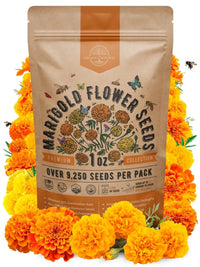
Marigold Seeds PackHeirloom, non-GMOA classic pest deterrent that helps keep leaf miners and nematodes off your greens.
Price$12.99Starting at$8.99
Sale

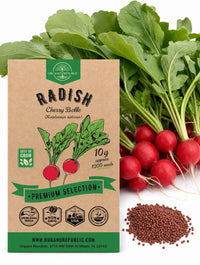
Cherry Belle Radish Seeds – Non-GMO HeirloomHeirloom, non-GMOFast to sprout, so it marks the chard rows and is harvested long before chard fills in.
Price$4.99Starting at$3.99
Sale

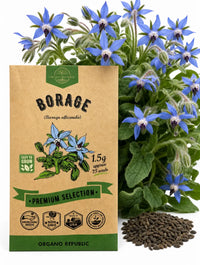
Borage Seeds – Non-GMO HeirloomHeirloom, non-GMOIts blue blooms bring in bees and beneficial insects that patrol the bed all season.
Price$5.99Starting at$4.99
Harvest
Uses
Common problems
Frequently asked questions
Why do so many seedlings come up from one Swiss chard seed?
Each chard seed is actually a dried fruit cluster holding several true seeds, so one planting spot often sends up two to four seedlings. Once they reach about 3 inches tall, snip out all but the strongest one at soil level with scissors rather than pulling, which protects the roots of the seedling you keep.
Is Swiss chard annual, biennial, or perennial?
Swiss chard is technically a biennial, meaning it flowers and sets seed in its second year, but most gardeners grow it as an annual for the leaves. Because it does not bolt in its first summer, a single spring sowing can keep producing from late spring into fall.
Does Swiss chard handle summer heat better than spinach?
Yes. Spinach and lettuce bolt and turn bitter once temperatures climb, but chard holds up through hot weather and keeps sending out new leaves. Growth does slow at the peak of summer, so keep the soil evenly moist and it will pick back up as things cool.
How do I harvest Swiss chard so it keeps producing?
Pick the outer leaves once they are 6 to 8 inches tall and leave the center growing point untouched. Cut about a half inch above the crown so the plant keeps pushing new leaves, giving you a cut-and-come-again harvest for months from the same plants.
Can Swiss chard grow in part shade or containers?
It does best in full sun but tolerates part shade, which actually helps in hot climates by slowing bolting and keeping leaves tender. Chard also grows well in a deep container of at least 8 to 10 inches, and its ruby stems make it attractive enough for ornamental beds and pots.
Can you eat Swiss chard stems as well as the leaves?
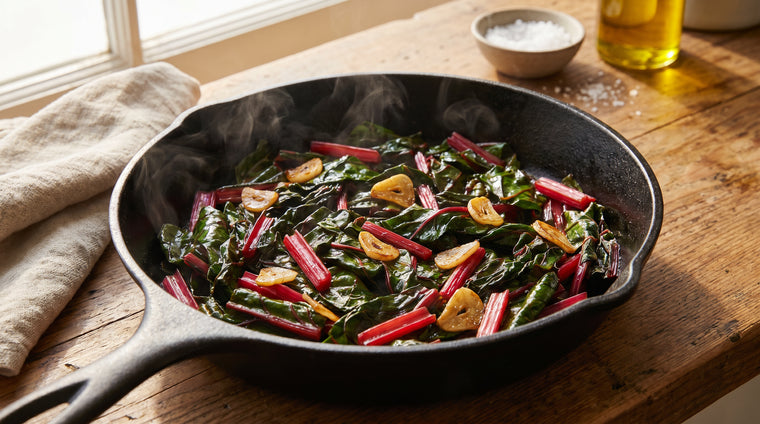
Yes, the colorful stems are entirely edible. Since they are thicker than the leaves, slice them and start them cooking a couple of minutes ahead so they soften, then add the chopped leaves. On Ruby Red, the bright stems keep much of their color and add crunch to sautes and stir-fries.
Want chard plus a whole salad garden in one order? These packs all include Swiss chard.
Sale

Lettuce & Greens Seeds Variety Pack – Non-GMO Heirloom22 varieties, chard includedOver 10,000 seeds across 22 salad greens for a season of cut-and-come-again harvests.
Price$12.99Starting at$9.99
Sale

Vegetable Seeds Variety Pack55 varieties, chard includedThe big all-in-one vegetable pack with 55 varieties for a full kitchen garden.
Price$21.99Starting at$17.99

- Choosing a selection results in a full page refresh.









 Easy Returns 30-day guarantee