


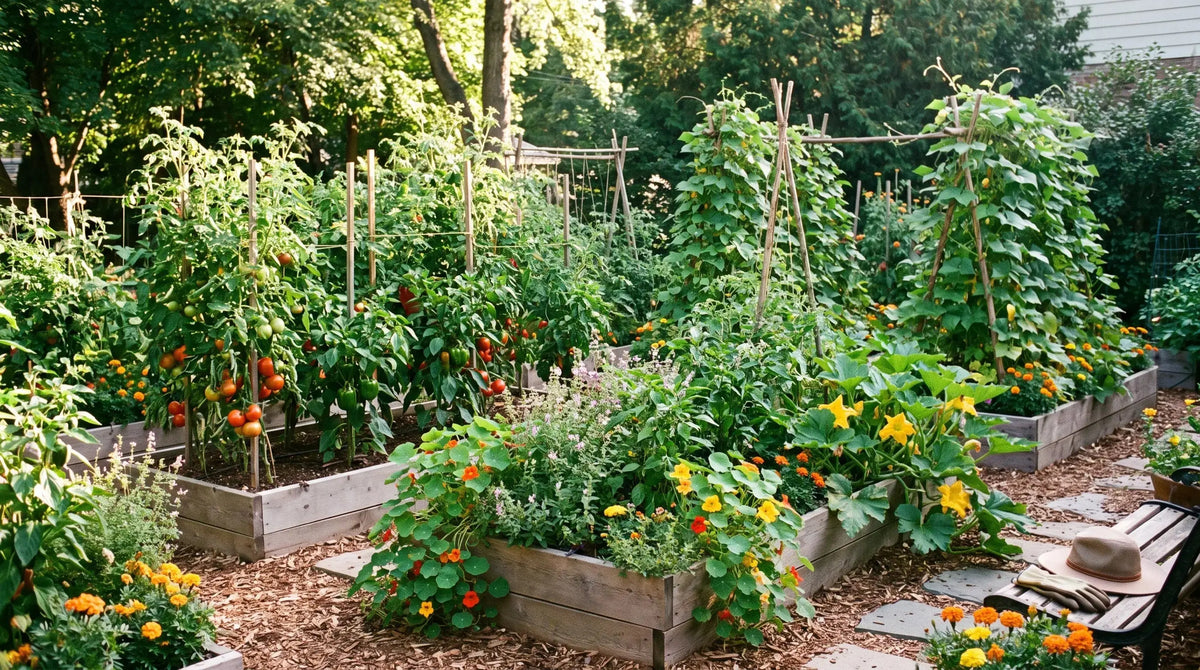
Zone 6 Planting Calendar
Updated July 2026
USDA Hardiness Zone 6 means average winter lows of -10 to 0F, which gives gardeners a growing season of roughly 180 to 200 days. The last spring frost usually clears by mid-April and the first fall frost holds off until mid to late October, leaving room for a cool-season spring, a full run of summer heat lovers, and a second cool-season crop before the ground freezes. This Zone 6 planting calendar walks through that year month by month: what to sow under lights, what goes into the ground and when, which crops are worth the space, and how to pin down the frost dates for your own address.
Zone 6 at a glance
- Average last spring frost: around mid-April
- Average first fall frost: around mid to late October
- Typical growing season: about 180 to 200 days between frosts
- Coldest winter lows: -10 to 0F
These are typical ranges for Zone 6. Frost dates vary a lot within a single zone depending on your elevation, how close you are to a city or a large body of water, and the year. Treat the dates above as a starting point and confirm your exact local dates with the ZIP tool linked below.

Zone 6 planting calendar
Here is what to plant in each month in Zone 6. "Start indoors" means sowing seeds under lights or on a warm windowsill several weeks before they go outside. "Transplant / plant out" is when those seedlings, or hardy young plants, go into the garden. "Direct sow" is seed you put straight into the ground. Use this as a Zone 6 planting schedule and adjust by a week or two to match your own last and first frost dates.
Zone 6 planting schedule at a glance
The Zone 6 year comes in three pushes. From late winter through March you start seeds indoors for onions, brassicas, tomatoes, and peppers, while the hardy crops go into the ground across April. Tender crops wait until frost danger has fully passed, which for most Zone 6 gardeners is mid-May, and they carry the harvest from July straight through October. The third push runs from July into early September, when you sow again for fall greens and roots, with garlic going in around October to overwinter.
| Month | Start indoors | Transplant / plant out | Direct sow outdoors | Harvest |
|---|---|---|---|---|
| January | Onions, leeks, celery, early lettuce (under lights) | - | Garlic can still be mulched; plan beds | Stored roots, kale and leeks left in the garden |
| February | Onions, leeks, peppers, eggplant, broccoli, cabbage, celery | - | - | Overwintered spinach, kale, mache in cold frames |
| March | Tomatoes, peppers, eggplant, lettuce, brassicas, herbs | Onions, leeks, hardened-off brassicas late month | Peas, spinach, radish, arugula under cover | First cutting of overwintered greens |
| April | Warm-season transplants (tomato, pepper) continue; cucumbers, squash late | Broccoli, cabbage, lettuce, onions, kale | Carrots, beets, peas, radish, chard, potatoes | Spring radish, arugula, early lettuce |
| May | Melons, cucumbers, squash, basil (early May) | Tomatoes, peppers, eggplant after mid-May frost | Beans, corn, cucumbers, squash, carrots, dill | Lettuce, spinach, radish, green onions, peas |
| June | Fall brassica starts (broccoli, cabbage) late month | Warm-season stragglers, sweet potato slips | Beans, corn, cucumbers, summer squash, basil | Peas, lettuce, spinach, garlic scapes, early zucchini |
| July | Fall broccoli, cabbage, kale, lettuce for transplant | Fall brassica transplants late month | Beans, beets, carrots, fall lettuce, cilantro | Cucumbers, zucchini, early tomatoes, beans, garlic |
| August | Lettuce, spinach for fall | Fall brassicas, lettuce early month | Spinach, lettuce, radish, turnips, kale, peas | Tomatoes, peppers, beans, cucumbers, melons, corn |
| September | Windowsill herbs | Garlic prep beds | Spinach, lettuce, radish, arugula, mache, cover crops | Tomatoes, peppers, winter squash, beans, fall greens |
| October | - | Garlic cloves for next year | Garlic, spinach and mache to overwinter | Pumpkins, winter squash, root crops, kale, chard |
| November | - | - | Mulch garlic; plant cover crops early | Kale, leeks, carrots, Brussels sprouts, stored roots |
| December | Plan next season; start onions late month | - | - | Cold-frame greens, stored crops, overwintered kale |
Nudge the whole schedule earlier if you are at the warm edge of Zone 6 (or use season extenders like row cover and cold frames), and a little later if you are at the cold, high-elevation edge.
The best crops for Zone 6
Zone 6's long season means you can grow almost anything, from quick spring greens to long-season heat lovers. These are the crops that reward you most here, each linked to the matching seed collection:
Cool-season crops for spring and fall
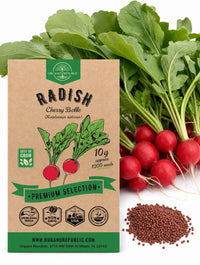
Zone 6's cool shoulder seasons are ideal for leafy and root crops. Sow lettuce, spinach, kale, peas, and carrots in early spring, then plant a second round in late summer for a fall harvest that often tastes sweeter after light frost. Radish is the fastest thing you can put in the ground here, beets and chard hold up at both ends of the season, and broccoli started in July and set out in August usually heads up before the first hard freeze.
Warm-season crops for summer
The long, warm summers here are made for tomatoes and tomatillos, peppers, beans, cucumbers, and squash. In Zone 6 you start seeds indoors for tomatoes and peppers about 6 to 8 weeks before your last frost, which usually means sowing in March and setting the plants out in mid-May once the nights have settled. Direct sow beans and corn once the soil has warmed, and give cucumbers and summer squash room to run. Our guides to growing tomatoes and peppers from seed cover the indoor timing in more detail. For the easiest way to cover a whole summer bed, a mixed vegetable variety pack gives you many of these at once.
Herbs and flowers
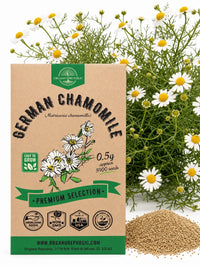
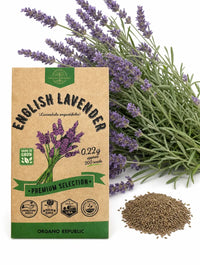
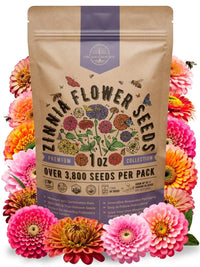
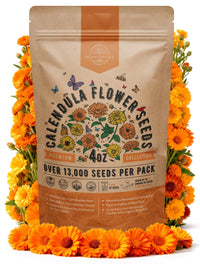
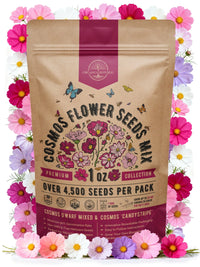
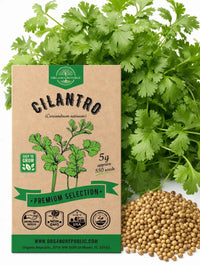
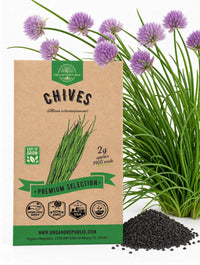
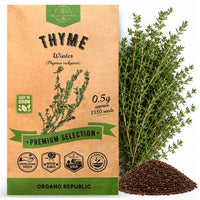
Most culinary herbs thrive through the Zone 6 summer, and hardy perennials like thyme, oregano, chives, and mint come back year after year. Basil is the one to hold indoors until mid-May, since it sulks in cold soil. Interplant flowers such as marigold and zinnia to bring in pollinators and keep the whole garden productive.
When are the frost dates in Zone 6?
Your last spring frost is the average date after which a hard frost is unlikely, so it is your green light for setting out tender crops like tomatoes and peppers. Your first fall frost is the average date in autumn when frost typically returns, which sets the deadline for your last harvest and for fall crops to mature. In Zone 6, the last frost usually lands around mid-April and the first fall frost around mid to late October, but these shift by weeks depending on exactly where you live.
Because a single zone can span very different microclimates, do not rely on a single date. Enter your ZIP code in our interactive planting calendar to get your exact local last and first frost dates and a sowing schedule built around them. That is the most reliable way to time your Zone 6 garden.
Zone 6a vs 6b: last and first frost dates
Zone 6 is split into two half zones, 6a and 6b, and they sit about 5F apart in average winter low. 6b is the milder half of the pair, so its last spring frost tends to clear earlier and its first fall frost arrives later, which adds a couple of weeks of usable season over 6a. In practice, 6a gardeners are waiting until mid to late April for the last frost and seeing the first fall frost in mid-October, while 6b gardeners are often planting hardy crops in early April and still picking into late October.
These are averages across a wide band of the country, not dates for your particular yard. A garden on a north slope, in a low frost pocket, or at higher elevation can run two weeks behind the numbers below, and a city lot or a spot near a large lake can run two weeks ahead. Use your subzone as a bracket, then confirm it against local frost records and what you see in your own garden.
| Subzone | Average last spring frost | Average first fall frost | Growing season |
|---|---|---|---|
| Zone 6a | Mid to late April (about April 15 to 25) | Mid-October (about Oct 10 to 20) | About 170 to 185 days |
| Zone 6b | Early to mid April (about April 5 to 15) | Late October (about Oct 20 to 31) | About 190 to 205 days |
What does USDA Zone 6 mean?
USDA hardiness zones are based on the average coldest winter temperature in an area. Zone 6 means winter lows typically bottom out around -10 to 0F. That number tells you which perennials, shrubs, and trees can survive your winter, so it is mainly a measure of winter hardiness. It does not directly tell you your frost dates or how long your growing season is, which is why annual vegetable timing depends on the last and first frost dates above rather than the zone number alone.
Not sure this is your zone?
If your winters feel colder or milder than the ranges above, you may be in a neighboring zone. Colder gardeners should check the Zone 5 planting calendar, and warmer gardeners the Zone 7 planting calendar. When in doubt, look up your zone and exact frost dates with your ZIP code in the planting calendar tool.
The best companion plants
Frequently asked questions
What can I plant in Zone 6 right now?
It depends on the season. In early spring, sow cool-season crops like peas, lettuce, spinach, radish, carrots, and kale, and set out hardy transplants. After your last frost in mid-April, plant warm-season crops like tomatoes, peppers, beans, cucumbers, and squash. In mid to late summer, start a second round of cool-season crops for a fall harvest. In winter, plan and grow greens under cover. For a schedule matched to today's date and your exact location, use our ZIP code planting calendar.
When is the last frost in Zone 6?
In Zone 6, the average last spring frost falls around mid-April, and the first fall frost around mid to late October, giving about 180 to 200 days of frost-free growing. These are averages, so your local dates can be a week or two earlier or later depending on elevation and how close you are to water or a city. Enter your ZIP code in our planting calendar tool for your exact frost dates.
What vegetables grow best in Zone 6?
Zone 6's long season suits a very wide range of vegetables. Cool-season favorites like lettuce, spinach, kale, peas, carrots, beets, and radish do well in spring and fall, while the warm summer is ideal for tomatoes, peppers, beans, cucumbers, squash, and corn. A mixed vegetable variety pack is an easy way to grow many of these Zone 6 vegetables in one season.
How long is the growing season in Zone 6?
Zone 6 has about 180 to 200 days between the average last spring frost (mid-April) and the average first fall frost (mid to late October). That is long enough to grow long-season crops and to fit two rounds of quick cool-season crops in spring and fall. Row cover, cold frames, and hardy greens can stretch the harvest even further into the cold months.
When should I start seeds indoors in Zone 6?
Count back from your last frost date. In Zone 6, start onions and leeks in January or February, tomatoes and peppers about 6 to 8 weeks before your last frost (so late February into March), and squash and cucumbers just 3 to 4 weeks ahead in spring. Cool-season brassicas can be started indoors in late winter for spring and again in midsummer for fall. Use our ZIP planting calendar to get exact start-indoors dates for your address.
Sale

Vegetable Seeds Variety PackBestseller55 heirloom, non-GMO vegetable varieties for a full Zone 6 season.
Price$21.99Starting at$17.99

- Choosing a selection results in a full page refresh.









 Easy Returns 30-day guarantee