


How to Grow Iceberg Lettuce From Seed
Updated July 2026
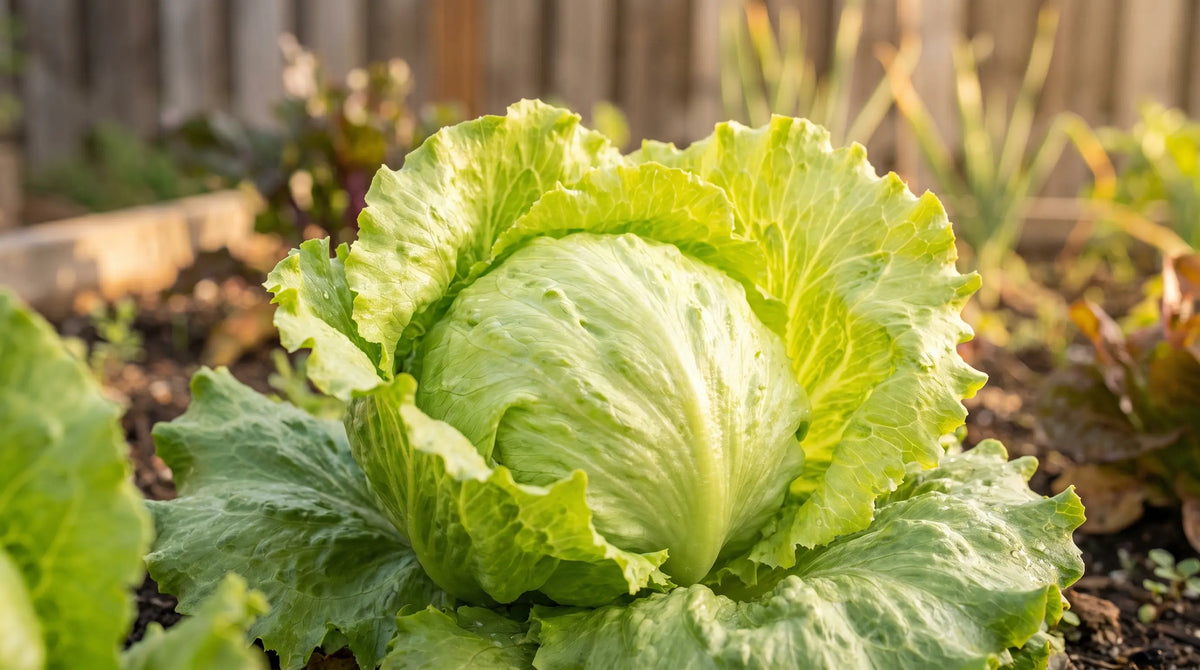
Iceberg is the crunchy crisphead everyone knows, forming dense, round, pale-green heads of crisp, watery, mild leaves. It is the fussiest lettuce to head up because it needs a long, steady stretch of cool weather, but the payoff is that unmistakable refreshing crunch for wedge salads, burgers, and tacos. Here is what makes this variety special and how to get the best from it.
Quick start
Best tip
At a glance
 Botanical name Botanical name | Lactuca sativa |
|---|---|
 Plant type Plant type | Cool-season annual (crisphead) |
 USDA zones USDA zones | 2 to 11 (grown as an annual) |
 Sun Sun | Full sun to part shade |
 Days to maturity Days to maturity | 70 to 85 days |
 Height Height | 8 to 10 inches |
 Spacing Spacing | 10 to 12 inches apart |
 Water Water | Even and steady; keep moist |
Uses
Frequently asked questions
How long does Iceberg lettuce take to grow?
Iceberg is a slow crisphead, taking about 70 to 85 days to form firm, dense heads. It needs a long stretch of cool weather, so start early in spring or grow it as a fall crop.
Why won't my Iceberg lettuce form a head?
Heading fails when it gets too warm or plants are crowded. Iceberg needs steady cool temperatures, generous spacing of 10 to 12 inches, and even moisture. In hot climates, grow it for a fall harvest so heads mature as the weather cools.
What does Iceberg lettuce taste like?
Iceberg forms crisp, watery, pale-green leaves with a very mild, refreshing flavor. It is prized more for its cool crunch than for bold taste, making it perfect for wedge salads and sandwiches.
When do I harvest Iceberg lettuce?
Harvest once the head feels firm and solid when gently squeezed, usually 70 to 85 days after sowing. Cut it at the base in the cool morning, and do not leave mature heads too long or they can split or bolt.
Sale

Iceberg Lettuce Seeds – Non-GMO HeirloomHeirloom, non-GMOHeirloom Iceberg — crisp, refreshing crisphead lettuce.
Price$4.99Starting at$3.99
Want more lettuce? These value packs pair Iceberg with other varieties:
Sale

Lettuce & Greens Seeds Variety Pack – Non-GMO Heirloom22 lettuce & greensAn even bigger salad collection — 22 lettuces and greens for months of fresh leaves in every color and texture.
Price$12.99Starting at$9.99

- Choosing a selection results in a full page refresh.









 Easy Returns 30-day guarantee