

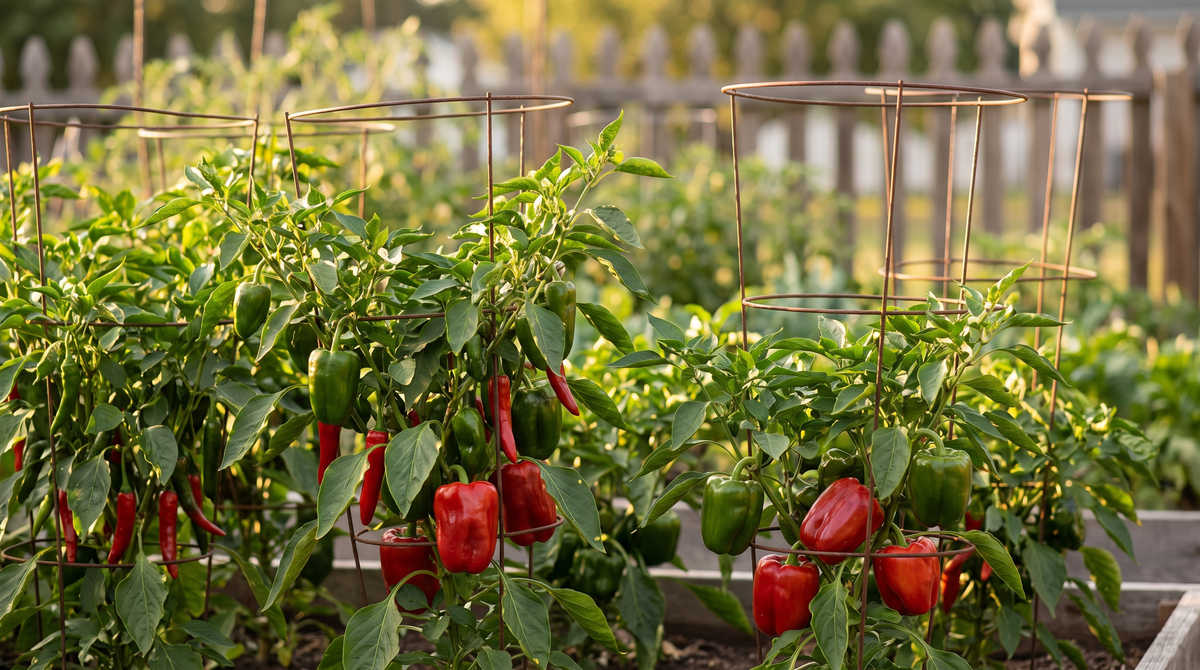
How to Grow Peppers From Seed
Updated July 2026
Sweet or hot, peppers all grow the same way: start them warm and early indoors, give them full sun and steady warmth outside, and they reward you with months of colorful fruit. This complete guide walks through every step, from starting seeds through transplanting, feeding, and harvest, and it applies to every pepper we grow, from mild California Wonder bells to fiery habaneros.
Growing a specific variety?
Sweet bells: California Wonder, Golden California Wonder, Purple Beauty, Lilac Bell, Bell Horizon Orange
Sweet & mild: Cubanelle, Pimento L, Banana (Hungarian Sweet Wax), Sweet Red Cherry, Pepperoncini, Anaheim, Poblano, Pasilla Bajio, Joe E Parker, Big Jim, Caloro, Santa Fe Grande
Best tip
At a glance
Botanical nameCapsicum annuum
Plant typeWarm-season annual (perennial in frost-free zones)
USDA zones3 to 12 (annual; perennial in 9 to 12)
SunFull sun (6 to 8+ hours)
Days to maturity60 to 90+ days from transplant
Height18 to 36 inches
Spacing18 to 24 inches apart
WaterRegular and deep; keep evenly moist
When to plant
How to plant
Growing and care

Mycorrhizal Fungi Granules 1lbFeeds roots naturallyMix a little into the planting hole to help pepper roots take up water and nutrients all season.$59.99$49.99
The best companion plants

Marigold Seeds Pack 1 ozPest-deterrent partnerA classic pepper companion — its roots deter nematodes and the blooms pull in pollinators.$12.99$8.99

Nasturtium SeedsTrap cropLures aphids away from your peppers and feeds bees, with edible peppery flowers and leaves.$14.99$6.99

Holy Basil SeedsAromatic partnerAromatic basil planted nearby helps mask peppers from pests and loves the same heat and sun.$8.99$2.99
Harvest
Uses
Common problems
Frequently asked questions
How long do peppers take to grow from seed?
Most peppers take 60 to 90 or more days from transplant to the first ripe fruit, plus 6 to 8 weeks of indoor growing before that. Hot peppers usually take longer than sweet bells, so start seeds early and be patient.
Should I start pepper seeds indoors or sow them directly?
Start them indoors 6 to 8 weeks before your last frost. Peppers need warmth and a long season, so direct sowing only works in hot, long-summer climates and gives a much later harvest.
Why is my pepper plant flowering but not setting fruit?
Usually temperature. Peppers drop their blossoms when days climb above about 90F or nights stay above 75F, and also when nights turn too cold. Keep them evenly watered and they set fruit again once temperatures moderate.
How much sun do peppers need?
At least 6 to 8 hours of direct sun a day. In regions with intense summer heat, a little afternoon shade can actually help by preventing sunscald and blossom drop.
How do I get bigger or hotter peppers?
Warmth, steady feeding, and patience grow bigger peppers. For hot varieties, slightly less water and a long, warm ripening period tend to concentrate the heat.
When and how do I harvest peppers?
Pick any time they reach full size, or leave them longer to ripen from green to red, orange, or yellow for more sweetness. Always cut them off with scissors rather than pulling, which can damage the plant.

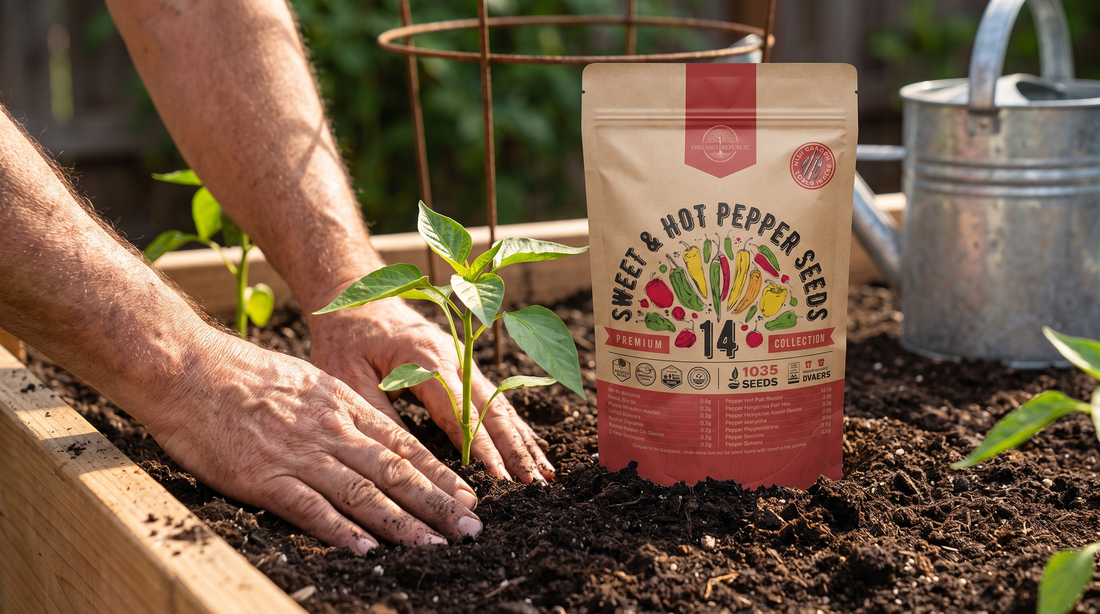
14 Sweet & Hot Peppers Seeds Variety Pack14 pepper varietiesFourteen sweet and hot peppers in one pack — the easiest way to grow a whole rainbow of varieties.$21.99$17.99
Want a whole pepper patch? These value packs bundle several varieties in one order:

12 Rare Sweet & Mild Pepper Seeds Variety Pack12 sweet & mild varietiesA dozen mild and sweet peppers, from blocky bells to Cubanelle, for fresh eating and cooking.$19.99$16.99

13 Unique Super Hot Pepper Seeds Variety Pack13 super-hot varietiesThirteen fiery chilis for heat lovers, from habanero to the hottest peppers we carry.$20.99$17.99

14 Herbs & Veggies Salsa Mix Seeds Variety Pack14 salsa-garden varietiesEverything for homemade salsa in one pack: peppers, tomatoes, onion, cilantro, and more.$19.99$17.49

20 Vegetable Seeds Variety Pack20 vegetable varietiesA full vegetable garden in one pack, peppers included, plus nineteen more garden staples.$21.99$17.99
- Choosing a selection results in a full page refresh.


 Easy Returns 30-day guarantee
