



 Highly rated by customers for: germination rate








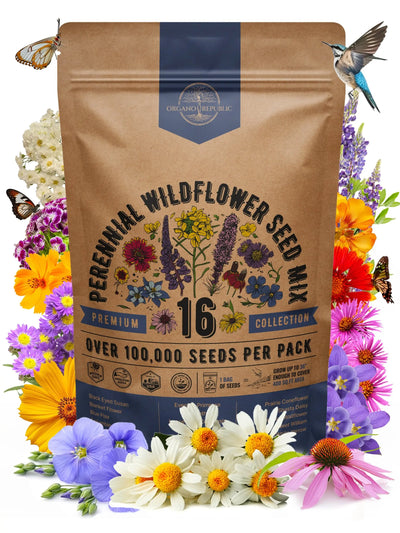


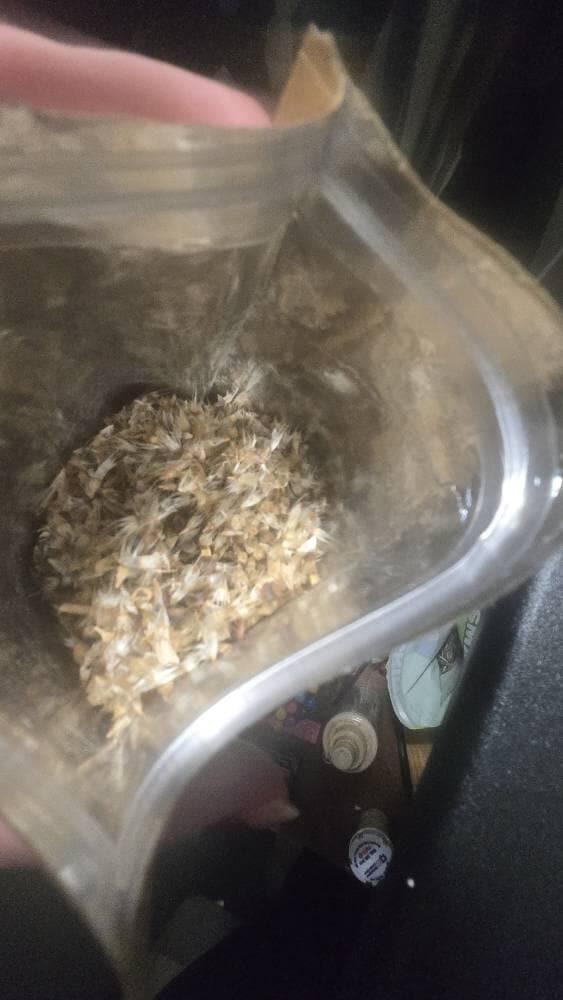
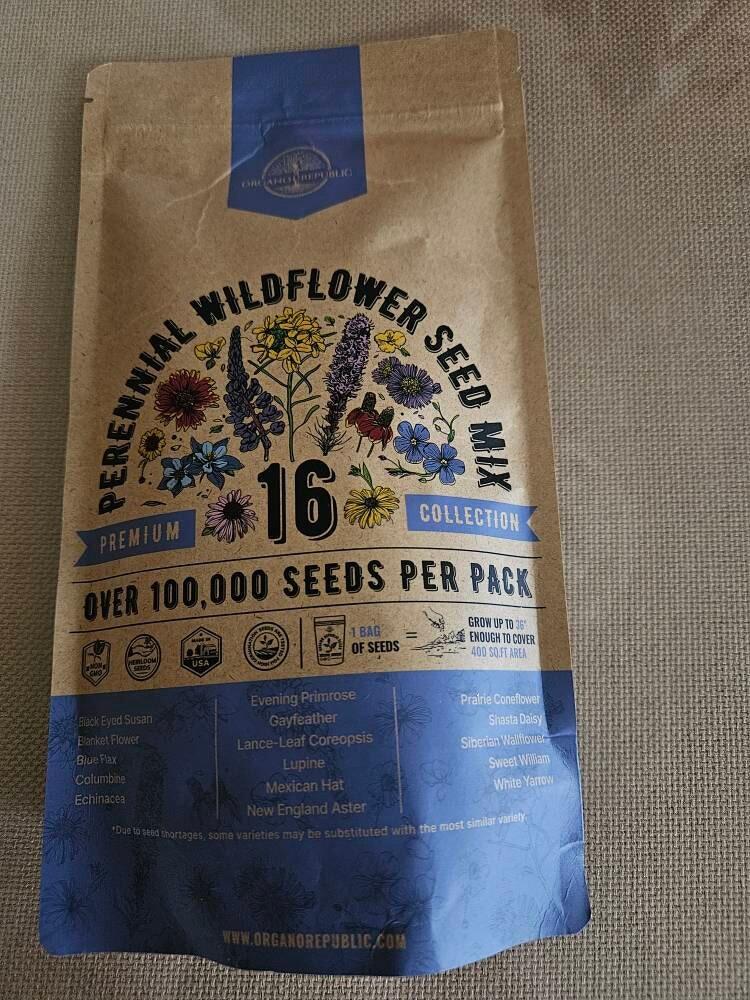
How many wildflower species are in this perennial mix?
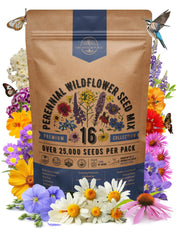
This 1 oz blend contains 16 perennial wildflower species that come back year after year once established.
How large an area does one ounce cover?
One ounce of this seed mix covers roughly 100 to 150 square feet when broadcast at a typical wildflower rate. For a fuller stand, use it on the smaller end of that range.
Do perennials bloom the first year?
Many perennials spend their first year building roots and foliage, then bloom strongly from the second year onward. You will enjoy an increasingly full display as the planting matures.
When and how should I sow this mix?
Sow in spring after frost or in fall on cleared soil. Scatter the seed, press it into contact with the ground, and keep it lightly moist until the seedlings establish.
How much sun do these wildflowers need?
Most of the 16 perennials perform best in full sun with at least six hours of direct light per day, though the mix tolerates a range of well-drained soils.
Are these seeds non-GMO?
Yes, this perennial wildflower blend is non-GMO, and being perennial it will return and often self-seed for years of blooms.
What is included in the mix?
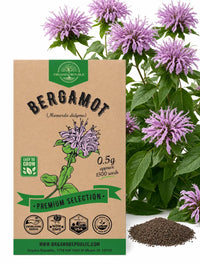
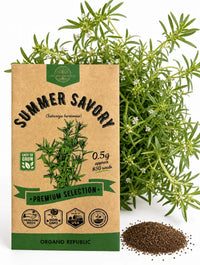
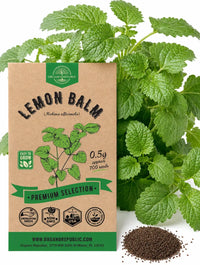
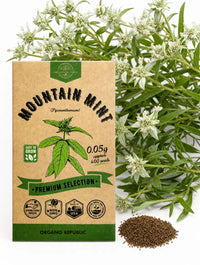
You get a blend of perennial wildflower species plus a resealable storage bag, mini gardening tools, and a QR growing guide. The complete variety list is shown on this page below.
Is this a good choice for beginners?
Yes. Loosen the soil, scatter the seed, and water it in. Perennials take a little patience the first year, then reward you with blooms that come back on their own.
How many varieties are in this perennial wildflower mix?
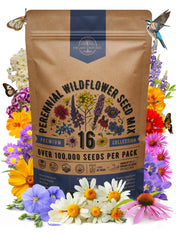
This mix includes 16 perennial wildflower varieties selected to return and bloom year after year once established.
How many seeds are in the pack?
The pack contains over 100,000 non-GMO heirloom wildflower seeds, plenty to sow a large meadow area or multiple beds.
When should I plant perennial wildflower seeds?
Sow them in spring after the last frost or in fall, scattering the seed over cleared soil and keeping it moist until established. Fall sowing lets many perennials settle in before spring.
Will these wildflowers bloom the first year?
Some perennials bloom lightly in year one, but most put energy into roots the first season and produce their fullest display from the second year onward.
Are these wildflower seeds heirloom and non-GMO?
Yes. The mix is made up of non-GMO, heirloom perennial wildflowers ideal for long-lasting, pollinator-friendly plantings.
Do these wildflowers help pollinators?
Yes. Perennial wildflowers provide reliable, returning food sources for bees, butterflies, and other pollinators season after season.
What is included in the mix?
You get a blend of perennial wildflower species plus a resealable storage bag, mini gardening tools, and a QR growing guide. The complete variety list is shown on this page below.
Is this a good choice for beginners?
Yes. Loosen the soil, scatter the seed, and water it in. Perennials take a little patience the first year, then reward you with blooms that come back on their own.









 Easy Returns 30-day guarantee