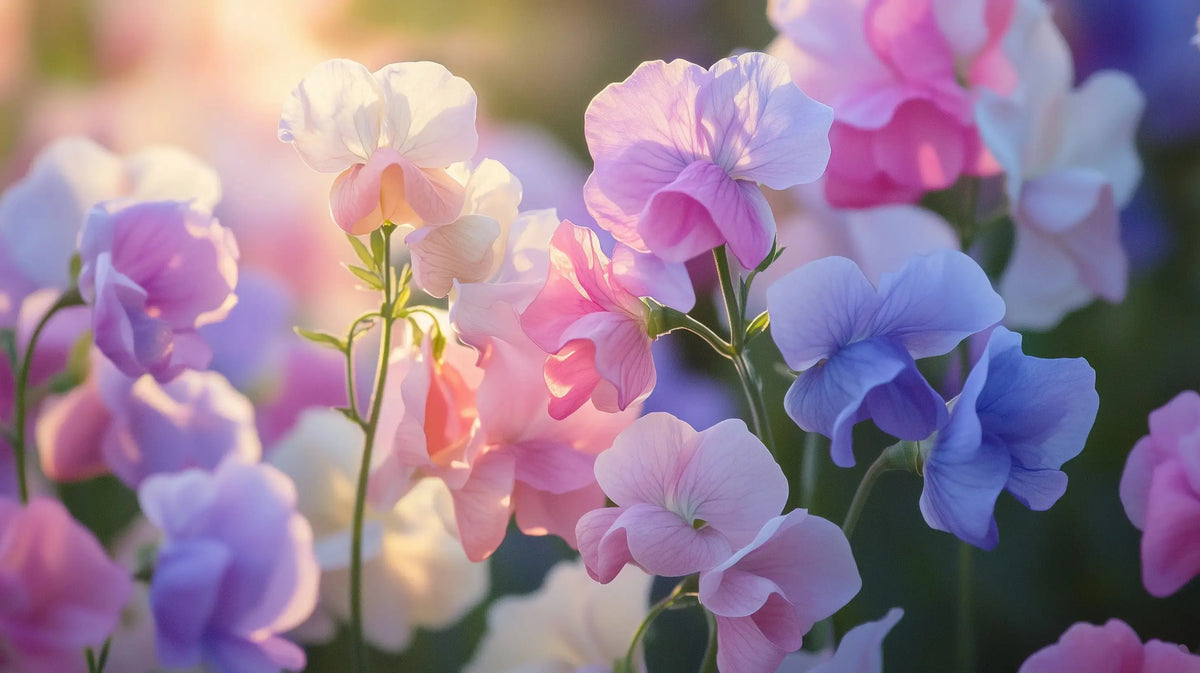
Sweet peas blooming in a sunny garden

How to Grow Sweet Peas From Seed

Updated July 2026

Few flowers earn their place in the garden the way sweet peas do. One warm afternoon their scent drifts across the whole yard, and a single vase can perfume an entire room. These old-fashioned climbers (Lathyrus odoratus) have been cherished by gardeners for centuries for their ruffled, jewel-toned blooms and their unmistakable honey-and-orange-blossom fragrance. They are a cool-season annual, easy to grow from seed, and the more you cut them the more they bloom. Here is everything I have learned about growing sweet peas that flower long and smell like heaven.

Best tip

Pinch your seedlings and never stop cutting. The two habits that separate a thin, sparse row of sweet peas from a fragrant, flower-packed wall are pinching the growing tip when plants are a few inches tall to force branching, and harvesting stems constantly so the plant never sets seed. In warm climates, get everything in the ground as early as the soil can be worked, because sweet peas race against the summer heat and an early start buys you weeks of extra bloom.

At a glance

Botanical nameLathyrus odoratus
Plant typeAnnual flower (ornamental climber)
USDA zones2 to 11 (grown as a cool-season annual)
SunFull sun (afternoon shade in hot climates)
Days to maturityBlooms in about 75 to 100 days from sowing
Height3 to 6 ft climbing (dwarf types 1 to 2 ft)
Spacing2 to 3 in apart
WaterKeep consistently moist; water deeply

When to plant

Sweet peas are cool-weather flowers, so timing is everything. They thrive in the mild days of spring and fade once summer heat sets in, which means the goal is to get them growing early while the weather is still cool. In most regions, sow seed outdoors as soon as the soil can be worked in very early spring, four to six weeks before your last expected frost, since young sweet peas tolerate light frost. In mild-winter areas (roughly USDA zones 7 and warmer), you can sow in fall for even earlier, stronger spring bloom. If your springs turn hot quickly, start seeds indoors a few weeks ahead in deep pots and transplant out early. The earlier they establish roots in cool soil, the longer and more generous the flowering season will be.

How to plant

Sweet peas have a hard seed coat, so give them a head start. The night before sowing, either soak the seeds in room-temperature water for about 12 to 24 hours until they swell, or gently nick the coat opposite the little eye with a nail file. Sow the prepared seeds about one inch deep and two to three inches apart in rich, well-drained soil that gets full sun (afternoon shade helps in hot climates). Because most sweet peas are climbers reaching three to six feet, set up a trellis, netting, or teepee of supports at planting time so the tendrils have something to grab as they rise. Dwarf and bush types need little or no support. Water the bed well after sowing and keep it evenly moist until the seedlings emerge in one to three weeks.

Growing and care

Sweet peas are hungry, thirsty plants that reward steady care. Keep the soil consistently moist but never waterlogged, watering deeply at the base rather than over the foliage. Feed every couple of weeks with a balanced or slightly potassium-rich fertilizer to fuel continuous flowering. When climbing seedlings reach four to six inches tall, pinch out the growing tip just above a leaf pair; this simple step forces bushier, stronger plants with far more flower stems. Keep guiding the vines onto their support and stay ahead of aphids, the one pest that loves sweet peas. Above all, keep picking: the more blooms you harvest, the more the plant produces.

The best companion plants

Sweet peas love the company of other cool-season, pollinator-friendly flowers that share their taste for sunshine and rich soil. These non-GMO favorites make lovely bedmates and keep the bees busy:

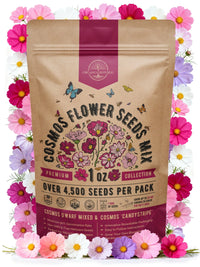
SaleCosmos Seeds
Cosmos SeedsEasy pollinatorAiry cosmos bloom all summer and keep the bees coming long after sweet peas fade.
Price$14.99Starting at$12.99
View product
SaleNasturtium Seeds
Nasturtium SeedsEdible companionCheerful nasturtiums scramble happily alongside sweet peas and lure aphids away.
Price$14.99Starting at$6.99
View product
SalePoppy California Seeds
Poppy California SeedsCool-season colorCalifornia poppies love the same cool weather and bright sun as sweet peas.
Price$4.99Starting at$3.99
View product

Sweet peas are poisonous, not edible peas. This is the most important thing to know about this plant. The sweet pea (Lathyrus odoratus) is an ornamental flower grown only for its beauty and fragrance, and it is a completely different plant from the edible garden pea (Pisum sativum). Every part of the sweet pea, and especially its seeds and pea-like pods, is toxic if eaten and can cause illness. Never let anyone taste the pods, seeds, or flowers, keep them away from young children and pets, and grow this plant strictly for cutting and display. If seeds or pods are swallowed, contact a doctor, poison control, or a veterinarian.

Harvest

Sweet peas are one of the best cut flowers you can grow, and cutting them is how you keep them blooming. Harvest stems in the cool of the morning when the lowest one or two flowers on the stem have opened and the rest are still in bud. Use clean scissors and cut long stems, then set them straight into water. Deadhead any faded blooms you do not cut, because if the plant is allowed to form seed pods it will stop flowering and begin to decline. With diligent picking, a healthy patch will keep producing fragrant stems for many weeks until summer heat finally brings the season to a close.

Uses

Sweet peas are grown purely for their beauty and their extraordinary scent. They are a classic cottage-garden climber for trellises, arches, fences, and obelisks, and the shorter bush types shine in containers, borders, and window boxes. Above all they are a treasured cut flower: a small handful of stems will perfume a whole room, and their soft, ruffled petals come in nearly every shade from white and cream to pink, lavender, burgundy, and deep violet. They also attract bees and other pollinators to the garden. Note that this is an ornamental flower only, valued for looks and fragrance, and no part of it should ever be eaten.

Common problems

  • Poor or slow germination: the hard seed coat is usually the cause. Soak seeds 12 to 24 hours or nick the coat before sowing, and keep the soil evenly moist until they sprout.
  • Plants stop blooming in summer: sweet peas are a cool-season flower and naturally fade in heat. Sow as early as possible, keep them well watered, and enjoy them as a spring crop.
  • Few flowers and long leggy vines: usually too little sun or skipped pinching. Grow in full sun and pinch the growing tips early to force bushier, more floriferous plants.
  • Aphids clustering on tips and buds: the most common pest. Blast them off with water, encourage ladybugs, or use insecticidal soap early before colonies build.
  • Buds dropping before they open (bud drop): often from a sudden cold snap, wide temperature swings, or inconsistent watering. Keep moisture steady and protect from hard late frosts.

Frequently asked questions

Are sweet peas the same as edible garden peas?

No. Sweet peas (Lathyrus odoratus) are ornamental flowers grown for their scent and beauty, and they are a different plant from the edible garden pea (Pisum sativum). Sweet pea seeds and pods are poisonous if eaten, so grow them only for cut flowers and display, never for food.

When should I plant sweet pea seeds?

Sweet peas are a cool-season flower, so sow them early. In most areas plant outdoors in very early spring, four to six weeks before your last frost, as soon as the soil can be worked. In mild-winter regions you can sow in fall for stronger, earlier spring bloom.

Do sweet pea seeds need to be soaked before planting?

It helps a lot. Sweet peas have a hard seed coat, so soaking them in room-temperature water for 12 to 24 hours, or gently nicking the coat with a nail file, speeds up and evens out germination.

Why did my sweet peas stop flowering?

Two usual reasons: summer heat, since sweet peas naturally fade once it turns hot, and letting the plant form seed pods, which signals it to stop blooming. Sow early, keep them watered, and cut or deadhead every flower to prolong the season.

How tall do sweet peas grow and do they need support?

Most climbing sweet peas reach three to six feet and need a trellis, netting, or teepee to climb. Dwarf and bush types stay around one to two feet and need little or no support, making them ideal for containers and borders.

Ready to grow your own sweet peas? Fill your garden with fragrant, jewel-toned climbers by starting from non-GMO, heirloom seed. Our wildflower seed collection is the perfect place to begin, and the 21 Annual Wildflower Mix brings sweet peas together with a whole season of easy color.

Sale21 Annual Wildflower Seeds Mix
21 Annual Wildflower Seeds MixGrow your ownSweet peas plus a whole season of easy, fragrant color from 21 hand-picked annual wildflowers.
Price$24.99 Sale Price$22.99
View product

Want a garden full of color and pollinators? Pair your sweet peas with these non-GMO wildflower mixes:

Sale16 Perennial Wildflower Seeds Mix
16 Perennial Wildflower Seeds MixComes back yearly16 perennial wildflowers that return every year for lasting, low-effort color and pollinators.
Price$14.99Starting at$12.99
View product
Sale23 Birds & Butterflies Wildflower Seeds Mix
23 Birds & Butterflies Wildflower Seeds MixPollinator magnet23 wildflowers chosen to bring bees, butterflies, and hummingbirds to your garden.
Price$14.99Starting at$12.99
View product
Maxim Kaufman, Founder and CEO of Organo Republic

By Maxim Kaufman — Founder & CEO, Organo Republic

Maxim founded Organo Republic in 2017 and personally selects, tests, and grows the heirloom, non-GMO varieties the company offers. Under his leadership, Organo Republic was named Agri Business Review’s Top Non-GMO Seed Variety Solution 2026.

Stay Connected

Join Our Garden Community

Daily garden inspiration, how-to videos & behind-the-seeds stories.