


Aphid Eggs: What They Look Like & How to Stop an Infestation
Updated November 2026
Maybe it's a scatter of glossy black specks on your plum twigs in February. Maybe it's a dusting of white flecks under a curled pepper leaf in July. Either way, you're wondering: are those aphid eggs? Only one of them is, and knowing which tells you when to act.
What aphid eggs look like
Aphid eggs are tiny ovals about half a millimeter long, so a 10x hand lens helps. Fresh eggs are pale yellow or green but soon turn glossy jet black, which is how you'll usually find them. Plump and shiny means alive. Dull, shriveled, or split means dead or hatched.

Check the base of buds, bark crevices, and the smooth bark of last year's twigs. Skip the leaves in winter, since deciduous hosts have dropped theirs.
Here's the catch: summer aphids don't lay eggs. From spring through summer, every aphid is a female giving birth to live young, and she was born already pregnant. So July specks on leaves are usually shed skins or a predator's eggs.
Where and when aphids lay eggs
In fall, shorter days trigger a generation of males and females that mate and lay eggs, often on a woody winter host. Green peach aphids winter as eggs on peach and plum trees. Black bean aphids use euonymus and viburnum, so a hedge of either can seed your bean patch. Rose aphids use rose canes, and cabbage aphids use old kale and Brussels sprouts left standing.
The eggs hatch as the host's buds break in spring. Each hatchling is a female, called a stem mother, that gives birth without mating, and in warm weather her daughters can start giving birth in as little as a week. Crowded colonies then send winged aphids to your vegetables.
Where winters stay mild, many aphids skip the egg stage entirely and breed all winter on weeds and leftover greens.
Aphid eggs vs. ladybug eggs and other lookalikes
Some lookalikes are on your side, so check before you squash.
| What you see | What it is |
|---|---|
| Shiny black ovals on twigs and buds in winter | Aphid eggs |
| Yellow or orange ovals standing upright in a cluster | Ladybug eggs |
| Pale green eggs on hairlike stalks | Lacewing eggs |
| Chalky white, oblong eggs among aphids | Hoverfly eggs |
| Swollen tan or black aphids, some with a round hole | Mummies, aphids killed by parasitic wasps |
| White, papery aphid shapes on leaves | Shed skins from a colony nearby |
Leave mummies alone, since unopened ones still hold a developing wasp. Ladybugs lay right beside aphid colonies. On potatoes and beans, a yellow cluster with no aphids nearby may be Colorado potato beetle or Mexican bean beetle eggs.
How to stop an infestation before it starts
Fall and winter
Pull kale and Brussels sprouts after the last harvest, since old stalks can carry cabbage aphid eggs into spring. On bare roses and shrubs, snip off tips peppered with eggs and trash them.
On fruit trees and roses with a history of aphids, use a delayed dormant oil spray in late winter, when buds swell and show green, just before the eggs hatch. Oil only kills what it coats, so wet every twig and crevice. Pick a calm, dry day with no freeze coming, and follow the label.
Early spring
Once leaves unfold, check new shoots and the undersides of young leaves twice a week. The first colonies are easy to spot and easiest to wipe out: one plump, wingless female ringed by her tiny young. Squash her, snip the shoot, or hose the colony off before curling leaves shield it from sprays and predators.
Go easy on nitrogen, since soft, sappy growth breeds aphids fastest, and skip broad spectrum insecticides, which kill predators and let aphids rebound first. Ants farm aphids for honeydew and chase off ladybugs, so band tree trunks with tape coated in a sticky ant barrier, and trim branches that let ants climb around it.
Plant flowers that put the predators to work
Ladybugs, lacewings, hoverflies, and parasitic wasps do the heavy lifting (one hoverfly larva can eat hundreds of aphids), and many adults feed on flowers: hoverflies need pollen to make eggs, and the tiny wasps need shallow nectar. Predators lag behind aphids in spring, so plant early bloomers nearby.
Nasturtiums make a handy decoy. Black bean aphids pile onto them, so a few plants at the bed's edge can draw pests away from your beans and chard. A light infestation feeds predators, but cut out crowded stems before winged aphids form, or the decoy becomes a nursery.
Sale

Nasturtium Seeds for Sale – Non-GMO HeirloomAphid Trap CropSow a few along your vegetable beds as a decoy for black bean aphids, and cut out crowded stems before winged aphids form.
Price$14.99Starting at$6.99
White yarrow is a predator magnet. Its flat clusters of tiny flowers offer shallow nectar that even the smallest parasitic wasps can reach, and it comes back every year.
Sale

White Yarrow Seeds – Non-GMO HeirloomBeneficial Bug MagnetA tough perennial whose flat flower clusters serve shallow nectar to hoverflies, ladybugs, and tiny parasitic wasps.
Price$5.99Starting at$4.99
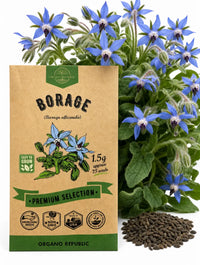
Borage hums with bees, and its starry blue flowers keep other helpful insects busy too. Sow it in place, since the taproot hates transplanting.
Sale

Borage Seeds – Non-GMO HeirloomPollinator FavoriteAn easy annual with starry blue flowers that keep bees and beneficial insects busy. Sow it in place and it often reseeds.
Price$5.99Starting at$4.99
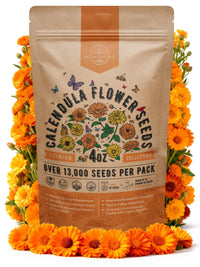
Calendula rounds out the crew. It shrugs off light frost, so you can sow it early, and its open flowers give hoverflies an easy meal. Deadhead often, and if it stalls in summer heat, cut it back for a fall flush.
Frequently asked questions
What do aphid eggs look like on leaves?
You rarely find them on leaves. Aphid eggs are tiny, shiny black ovals laid in fall on twigs, around buds, and in bark crevices. Cabbage aphids are the exception, laying on the leaves and stalks of old kale and Brussels sprouts. Summer specks are usually shed skins or a predator's eggs.
Are aphid eggs white?
No. Aphid eggs start pale yellow or green and soon turn shiny black. White flecks on a leaf are usually shed skins (young aphids molt four times), and the colony sits under the leaf directly over them. Chalky white, oblong eggs among aphids are likely hoverfly eggs, so leave them.
How can you tell ladybug eggs from aphid eggs?
Ladybug eggs are bigger, yellow to orange, and stand upright in tight clusters, usually right beside aphids. Aphid eggs are tiny, shiny black ovals on twigs and buds in winter. Leave yellow clusters near aphids alone. They hatch into larvae that look like tiny spiny alligators and eat aphids.
How long do aphid eggs take to hatch?
Months. Eggs laid in fall sit through winter and hatch in early spring, usually just as the host plant's buds break. Each hatchling is a female that gives birth to live young without mating, so a few eggs can become a crowded colony within weeks, well before most predators catch up.
How do you get rid of aphid eggs before they hatch?
On roses and shrubs, prune off shoot tips peppered with eggs. On fruit trees, use a delayed dormant horticultural oil spray as buds swell but before they open, and wet every twig, since oil only kills what it coats. Insecticidal soap works on active aphids, not eggs, so save it for spring.

- Choosing a selection results in a full page refresh.













 Easy Returns 30-day guarantee