


Best Soil for Zinnias: Give Your Blooms the Perfect Start
Updated October 2026
You picked out a packet of zinnias because you wanted color, and plenty of it. Here is the good news from years of growing them: zinnias are about as forgiving as a flower gets. The better news is that a little care with the ground they sit in turns a decent patch into a wall of blooms that runs right up to frost. Get the soil right and the plants all but take care of themselves.
What zinnias want from their soil
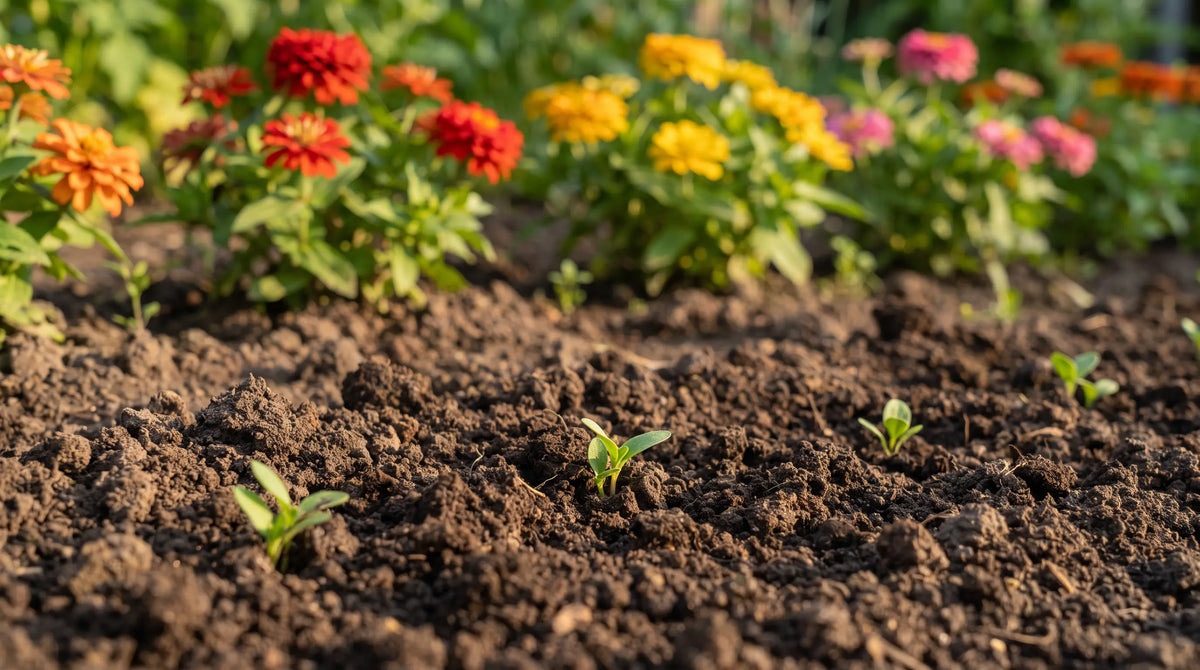
Zinnias are not fussy, but their preferences trace straight back to where the plant comes from: the warm, open country of the Americas. They want soil that drains freely, holds a little moisture without ever staying soggy, and carries enough organic matter to fuel fast growth. Think loose and crumbly, the kind of ground a taproot can drive straight down through. Roots need air, and waterlogged soil starves them, so a bed where water pools after rain is the first thing to fix. Wet feet are the quickest way to lose a zinnia to root rot.

They are also unapologetic heat lovers, and they will not wake up until the soil is genuinely warm. Sowing into cold spring ground buys you nothing, since the seeds tend to rot or damp off before they break the surface. Wait until the ground has warmed to around 70 degrees, about when you would plant beans, and they come up fast and never look back.

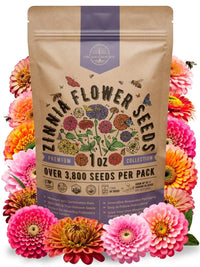
Zinnia Flower Seeds – Non-GMO HeirloomStart hereNon-GMO heirloom zinnias, the star of the bed and the whole reason to get the soil right. Direct sow once the ground has warmed, since they carry a taproot and resent being transplanted.
Starting at$4.99
The ideal soil mix
If you are building a bed from scratch or improving what you have, aim for loam: a balance of sand, silt, and a little clay, loosened with compost. Not sure what you are working with? Press a handful of moist soil between thumb and finger. If it smears into a long, sticky ribbon, you have heavy clay that needs opening up. If it will not hold together at all, it is sandy and drains too fast. Crumbly and holding a loose shape is the loam you are after.
Compost is the workhorse either way. Work two to three inches into the top six to eight inches before planting and it does three jobs at once: it feeds the plants slowly, opens drainage in tight clay, and gives sandy ground something to hold moisture against. For most beds, good compost is the whole program.
| What zinnias like | Aim for |
|---|---|
| Texture | Loose, loamy, freely draining |
| pH | 5.5 to 7.5 (slightly acidic to neutral) |
| Organic matter | Compost worked into the top few inches |
| Sun | Full sun, 6 or more hours a day |
Drainage comes first
Above all else, zinnias need to drain, so it pays to know what you are dealing with. Dig a hole about a foot deep, fill it with water, let it empty, then fill it again. If that second fill has not drained within a few hours, you have a problem to solve. In heavy clay, work in compost along with a coarse amendment to open the structure, or simply plant on a raised mound a few inches proud of the surrounding soil so water drains away from the crown instead of collecting around it.
Airflow belongs in the same conversation, because the classic zinnia trouble is powdery mildew, and it takes hold in still, humid air around crowded plants. Space full-size varieties around nine to twelve inches apart so leaves dry quickly, water at the base rather than over the top, ideally in the morning, and let the surface dry a touch between drinks. Dry leaves and moving air beat any spray.
pH and feeding
Most garden soil already sits in the range zinnias like, so there is rarely a number to chase. If plants have struggled and you have never tested, a cheap soil test is worth doing once. pH is really about access: near neutral, the nutrients stay soluble and reachable for the roots, while a badly off pH locks them away no matter how much you feed.
On feeding, the rule is restraint. Zinnias are light feeders, and this is where good intentions backfire. Push them with nitrogen, especially the lawn feed built for green leaves, and you get a tall, leafy, blue-green plant with almost no flowers. The compost you mixed in at planting usually carries the whole season. If growth genuinely stalls in lean soil, wait until buds form and give one light feed of a balanced or bloom-type flower fertilizer at half the label strength. That is plenty.
Poor soil? Plant partners that thrive anyway
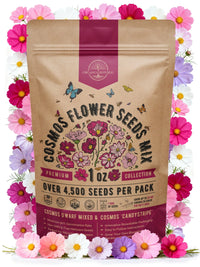
Zinnias already shrug off lean ground better than most flowers, and a couple of companions turn a genuinely tough bed into an asset. Cosmos are the classic example. They evolved in poor, dry soils and bloom their heads off in ground so lean it would sulk a fussier plant. Feed them or set them in rich earth and you get the opposite of what you want: a floppy thicket of ferny foliage and hardly a flower. So wherever your dirt runs thin and stony, sow cosmos right alongside the zinnias and let both reward the neglect.
Sale

Cosmos Flower Seeds – Non-GMO HeirloomThrives in poor soilNon-GMO heirloom cosmos that genuinely prefer lean soil, so they bloom best exactly where your ground runs thin next to the zinnias.
Price$14.99Starting at$12.99
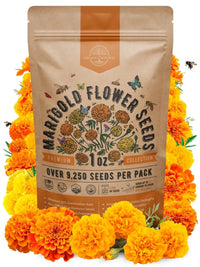
Marigolds are the other dependable choice for a less than perfect bed. They ask for little beyond sun and drainage, they flower for months without complaint, and gardeners have edged beds with them for generations, partly for the steady stream of pollinators they draw and partly for an old, well-earned reputation: grown thickly, marigolds are one of the few flowers shown to help suppress root-knot nematodes in the soil below. Tuck them around the border and they earn their keep above ground and beneath it.
Sale

Marigold Seeds PackEasy edgingTough, sun-loving marigolds that bloom for months, edge a bed beautifully, and pull in pollinators while quietly working on the soil below.
Price$12.99Starting at$8.99
Soil for zinnias in containers
Zinnias take to pots happily, with one firm rule: leave the garden soil in the garden. Scooped into a container, native soil loses the structure that let it drain outdoors, packs into a dense, airless block, and holds far too much water against the roots. Reach instead for a quality potting mix, the kind built to stay light and open. Stir in a couple of handfuls of compost for a slow food source, and make sure the pot has real drainage holes and enough depth for a taproot, at least eight inches or so for standard types. Compact and dwarf zinnias are the easiest fit for smaller pots. One catch to remember: containers dry out fast in summer heat and potting mixes run out of nutrients sooner than a garden bed, so plan to water more often and offer a light feed once the plants are blooming hard.
Common soil mistakes to avoid
The stumbles here are the same handful, over and over. Sowing into cold, wet ground rots the seed before it ever sprouts. Overfeeding, especially with nitrogen, trades flowers for foliage. Crowding plants into still, humid air all but invites powdery mildew. And packing dense native soil into containers suffocates the roots. Head off those four and your zinnias will run flat out all summer.
Prepare the bed, keep it draining, feed with a light hand, and give the plants room to breathe. That really is the whole secret, and the beauty of it is that the work happens just once, at the start of the season. Do it right in spring and you will be cutting armloads of flowers from midsummer to frost.
Frequently asked questions
What is the best soil for zinnias?
The best soil for zinnias is loose, freely draining loam enriched with two to three inches of compost worked into the top few inches. Aim for a pH of 5.5 to 7.5 and feed with a light hand. Avoid heavy, soggy ground most of all, since poor drainage rots the roots.
Do zinnias like acidic or alkaline soil?
Zinnias do best in soil that runs slightly acidic to neutral, roughly a pH of 5.5 to 7.5. Most garden beds already sit in that window, so you seldom need to adjust a thing. The near-neutral range matters because it keeps nutrients soluble and within reach of the roots.
Can zinnias grow in poor soil?
Yes. Zinnias tolerate lean, sandy ground far better than most flowers and will bloom where fussier plants would starve. A little compost helps them along, but resist the urge to make the bed rich, since too much nitrogen pushes lush leaves at the expense of the flowers you actually want.
What soil should I use for zinnias in pots?
Skip garden soil for containers, since it compacts and holds too much water once it is out of the ground. Use a quality potting mix built to stay light and drain freely, stir in a handful or two of compost, and give the pot real drainage holes and depth for the taproot.
How do I prepare a garden bed for zinnias?
Pick a spot in full sun, loosen the top six to eight inches, and work in two to three inches of compost to improve drainage and feed steady growth. Check that water does not pool there after rain, and if it does, plant on a raised mound. Wait until the soil warms before sowing.

- Choosing a selection results in a full page refresh.











 Easy Returns 30-day guarantee