


The 10 Best Tomatoes for Salsa (Fresh & Chunky)
Updated October 2026
By Maxim Kaufman
You blend up a batch of salsa, taste it, and it is perfect for about ten minutes. Then a puddle of pink water pools at the bottom of the bowl and your chips go soft before the game is over. The fix almost never happens at the cutting board. It happens in the seed packet you planted back in spring.
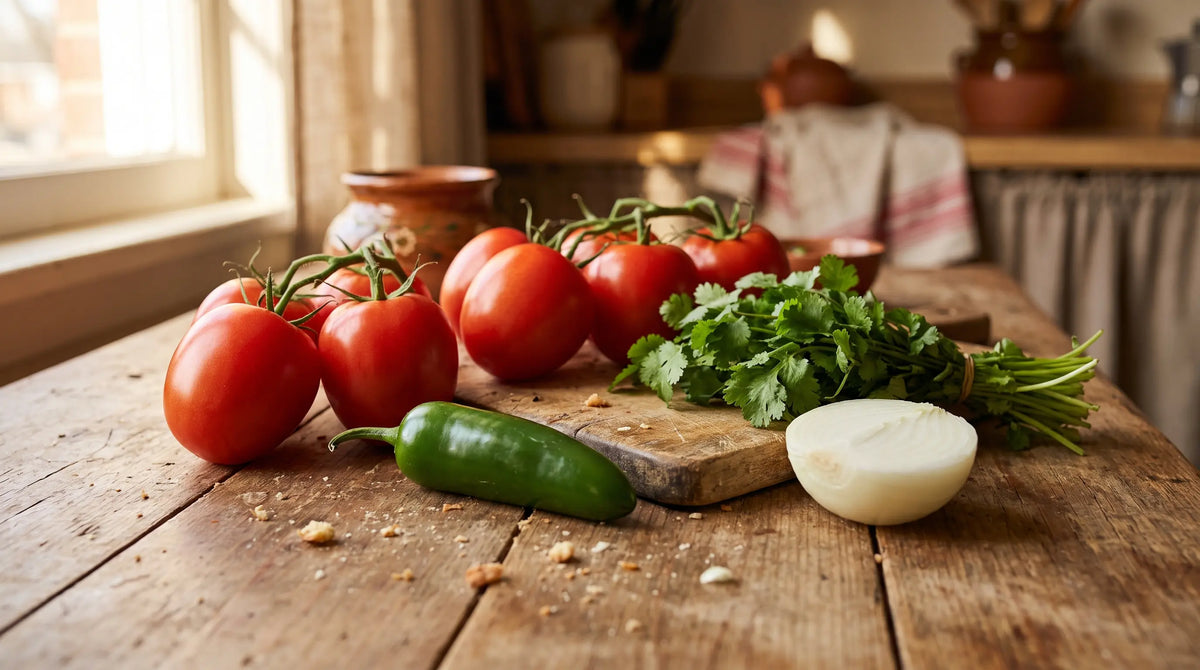
Salsa lives and dies on the tomato. That juicy slicer that tastes incredible in a sandwich is built to be juicy, and it will flood your salsa with liquid and wash the flavor out with it. What you want is a meaty tomato: thick, dense walls, small seed cavities, and low water content, so the tomato flavor stays concentrated and the diced fruit holds its shape instead of slumping into pulp. These are the ten varieties we reach for, split between the paste types that build a thick base and the fresh heirlooms that make a bright, chunky bowl.
What makes a tomato good for salsa
Three things separate a salsa tomato from a snacking tomato. The first is the ratio of flesh to gel. Paste tomatoes carry thick walls and just two small seed cavities, called locules, where a beefsteak is riddled with them. Less of the fruit is watery jelly, so more of it lands in the bowl and less gets poured off. The second is flavor with backbone, meaning enough acidity to stay lively after it sits, because a flat tomato only tastes flatter once you add onion and lime. The third is how the plant carries its crop. Salsa eats tomatoes by the pound, so you want a variety that either dumps a heavy, concentrated set for canning or keeps feeding you fruit right through late summer.

There is no single perfect answer, because salsa is really two dishes wearing one name. A cooked or blended salsa wants a firm paste tomato that reduces without turning to soup, since you are driving off water on the stove anyway. A fresh salsa, the kind you spoon over tacos an hour after you chop it, can carry a juicier heirloom, because bright, complex flavor matters more than drain time. Most gardens have room for both, and the best salsa usually blends the two.
The 10 best tomatoes for salsa
The shortlist covers both camps, with the type and a rough days to maturity so you can plan your season. Treat the day counts as a starting point, not a promise, since your climate, your soil, and how big your transplants are when they go out all move the numbers. One habit worth building: note whether a variety is determinate or indeterminate, because that is what decides whether it hands you one big canning wave or a long, steady trickle.
| Variety | Type | Days to maturity | Best for |
|---|---|---|---|
| Roma | Paste | 70 to 80 | Thick cooked or canned salsa |
| San Marzano | Paste | 78 to 85 | Smooth, rich sauce and salsa |
| Amish Paste | Heirloom paste | 80 to 85 | Chunky red salsa |
| Opalka | Heirloom paste | 80 to 85 | Low seed, meaty base |
| Cherokee Purple | Heirloom slicer | 80 to 90 | Smoky fresh salsa |
| Black Krim | Heirloom slicer | 80 to 90 | Bold fresh salsa |
| Beefsteak | Slicer | 80 to 90 | Big chunky pico |
| Costoluto Genovese | Heirloom | 75 to 85 | Firm, full flavored chunks |
| Green Zebra | Heirloom | 75 to 80 | Tangy salsa verde style |
| Jaune Flamme | Heirloom | 70 to 80 | Bright, fruity fresh salsa |
Roma, the salsa workhorse
If you grow one tomato for salsa, grow Roma. It is the classic determinate paste type: dense, dry flesh, two small seed cavities, and a plum shape that cores and dices in seconds. Because it is determinate, the plant sets and ripens most of its crop in a tight window instead of dribbling fruit out all season, which is exactly what you want when you plan to can or freeze a big batch in one afternoon. Many Roma strains also carry built in resistance to the common soil wilts that hit hardest when a plant is straining under a heavy fruit load, which is cheap insurance for a crop you are counting on. A grower's note: pick Roma at the first deep red while it is still firm, not soft, and it dices far cleaner with almost no weeping.
Sale

Roma Tomato Seeds – VF, Non-GMO HeirloomSalsa workhorseThe classic determinate paste tomato: thick walls, few seeds, and a heavy, concentrated set that ripens together for one big canning day.
Price$4.99Starting at$3.99
The paste all stars: San Marzano, Amish Paste, and Opalka
San Marzano is the Italian sauce legend, long and slender with thick walls, few seeds, and a deep, slightly sweet flavor that cooks down without going bitter. Amish Paste is the heirloom many of us reach for when we want chunky salsa, a little larger and more oxheart shaped, meaty enough to dice without weeping across the board. Opalka runs long, pointed, and nearly hollow of seeds, so it is almost all usable flesh. One thing to plan around: unlike determinate Roma, all three are indeterminate, ripening a few fruit at a time over a long season rather than in one wave. That is a gift for fresh eating and a small nuisance for canning, so either stagger your batches or let the fruit collect in the freezer until you have enough. Any of the three gives you a base so thick it barely needs draining.
Big and meaty for a chunky bowl: Beefsteak and Costoluto Genovese
When you want fat, sturdy chunks instead of a smooth sauce, reach for a big slicer with real structure. Beefsteak brings size and a solid, meaty shoulder, so a single fruit can anchor a bowl of pico. Costoluto Genovese is the deeply ribbed, almost fluted Italian heirloom, intensely flavored and firm, and one of the few old varieties that keeps setting fruit through real summer heat when others quit. Here is the honest tradeoff: both hold far more seed and juice than a paste type, since a beefsteak is packed with locules brimming with gel. Cut them open and flick out the seeds and gel with your thumb before you dice, or give the chopped fruit ten to fifteen minutes in a colander with a pinch of salt. Skip that step and even the meatiest slicer will thin your bowl.
Heirloom flavor for fresh salsa: Cherokee Purple, Black Krim, Green Zebra, and Jaune Flamme
This is where salsa gets genuinely interesting. Cherokee Purple and Black Krim are the dusky, dark shouldered heirlooms, lower in acid and rich to the point of tasting almost smoky, which is what makes a fresh salsa taste like it came off a good taqueria's comal. They ripen soft and thin skinned, so handle them gently and use them within a day or two. Green Zebra stays firm and tart even at full ripeness, perfect if you like a sharper, salsa verde leaning bowl, though the trick is knowing when it is ripe, since it never turns red. Wait for the green to warm to a gold blush and for the fruit to give slightly when you squeeze it. Jaune Flamme drops small orange, apricot sized fruit with a bright, fruity note that plays beautifully against mango or peach in a summer salsa. All of these run juicier than the paste types, so seed or drain them and use them the same day for the best texture.
Build the whole salsa, not just the tomato
Great salsa is a team effort, and the supporting cast grows right alongside your tomatoes. Heat comes first. A couple of jalapeno plants will keep a household in pods all season: pick them green and firm for a bright, grassy kick, or let them ripen to red for a rounder, deeper heat. A pro tell is the fine tan netting, called corking, that spiders across the skin of a mature pod, since that is usually your hottest, most flavor packed fruit. Wear gloves when you dice a big batch, and remember the ribs and seeds carry most of the burn, so you can dial a salsa up or down without ever changing peppers.
Sale

Jalapeno Pepper Seeds – Non-GMO HeirloomBring the heatReliable pods all season. Pick them green for a bright, grassy kick or let them ripen red for deeper heat, and watch for corking on the skin as a sign of the hottest fruit.
Price$4.99Starting at$3.99
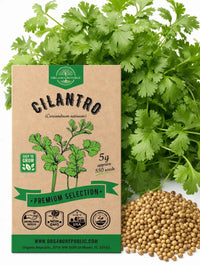
Then there is the herb that turns chopped tomato into actual salsa. Fresh cilantro, stirred in at the very end so the warmth of the bowl does not wilt it, is what gives pico de gallo its signature lift. Here is the catch every new grower learns the hard way: cilantro is wired to bolt, and long summer days plus heat send it straight to flower, after which the leaf flavor thins out and turns sparse. You cannot really stop it, so you outrun it. Sow a short row every two to three weeks, give it a little afternoon shade in high summer, and you will always have tender young leaves ready when the tomatoes come in. Let the last sowing bolt on purpose and you get coriander seed as a bonus. Round the bowl out with onion, garlic, and a squeeze of lime, and you have real salsa from your own soil.
Sale

Cilantro Seeds – Non-GMO HeirloomFresh finishFast from seed and made for pico. It bolts in summer heat, so sow a short row every couple of weeks for a steady supply of tender leaves.
Price$4.99Starting at$3.99
Growing tips for a salsa garden
Give your salsa tomatoes full sun, six to eight hours at least, steady water, and support that goes in at transplant, not after the plant flops. The watering rule matters more than any fertilizer: keep the soil evenly moist and never let it swing from bone dry to soaked, because those swings are what split fruit and what trigger blossom end rot, the sunken dark patch that shows up on the bottom of paste tomatoes especially. That rot is not a disease you can spray away. It is calcium stranded in the soil because erratic watering stopped the plant from carrying it up into the fruit, so the cure is a soaker hose and a routine, not a bottle. Mulch a couple of inches deep to hold that moisture even and to keep soil, and the diseases living in it, from splashing up onto the lower leaves. Prune with the plant type in mind: thin the suckers on indeterminate heirlooms for airflow and earlier ripening, but leave determinate paste types alone, since cutting their growth just throws away crop. When the harvest floods in all at once, do not fight it. Core, quarter, and freeze the tomatoes whole in bags, then cook salsa in batches through fall when you finally have time. The skins slip right off under warm water as they thaw.
One more texture trick starts in the garden and finishes in the kitchen. For a thick fresh salsa, seed your juicier tomatoes by scooping out the gel before you chop, or salt the diced fruit and let it drain in a colander for about fifteen minutes, since the salt pulls the water out by osmosis so your bowl does not weep later. Roasting or charring the tomatoes and peppers first does the same job with interest, driving off water while the heat concentrates the sugars and adds a smoky depth, and that is the real line between a thin, watery salsa and one that clings to the chip. If you are canning rather than eating fresh, follow a tested recipe and add the acid it calls for, because garden tomatoes vary in acidity more than you would think and a shelf stable jar depends on getting that right.
Our pick for a salsa garden from scratch
If you are starting fresh and want the fastest path to a full salsa bowl, plant the core players together: a meaty tomato, a tomatillo for that green, tart backbone, and the peppers and herbs that finish it. Tomatillos are their own kind of salsa gold, the base of every classic salsa verde, and they grow as easily as tomatoes with one catch worth knowing up front. A lone plant will flower and set almost nothing, because tomatillos need a partner to cross pollinate, so always grow at least two. Pick them when the papery husk fills out and just begins to split, while the fruit inside is still firm. That pairing is exactly why our variety pack puts tomatoes and tomatillos in one non-GMO, heirloom set, so your garden can make both the red and the green from day one.
Frequently asked questions
What are the best tomatoes for salsa?
Paste tomatoes like Roma, San Marzano, and Amish Paste lead, since their thick walls and small seed cavities mean less watery gel and more flesh in the bowl. For a fresh, chunky bowl, work in a meaty heirloom like Cherokee Purple, and just seed or drain those juicier types before you mix.
Why is my homemade salsa so watery?
It is almost always the tomato, not the recipe. Juicy slicers are full of seed gel and juice that flood the bowl the moment you chop them. Switch to a meaty paste tomato, or salt the diced fruit and let it drain in a colander for about fifteen minutes so the water leaves before it hits your chips.
Are Roma tomatoes good for salsa?
Yes, Roma is the classic salsa tomato, with dense, dry flesh, few seeds, and a plum shape that dices fast. Because it is a determinate variety, the plant sets and ripens most of its fruit in a tight window, so you can put up a big batch of cooked or canned salsa all at once.
What is the difference between salsa roja and salsa verde tomatoes?
Salsa roja starts with red tomatoes like Roma or Cherokee Purple. Salsa verde is built on tomatillos, the small green fruit in a papery husk, which bring a bright, tart edge ripe tomatoes cannot. Grow a couple of tomatillos, since each one needs a partner nearby to set fruit.
How many tomato plants do I need for salsa?
For a household that likes salsa fresh, three to five paste plants is a solid start and leaves a little extra to freeze. If you want to can enough salsa to last the year, step up to six or more, and stagger your planting or your picking so the harvest does not all land in one overwhelming week.

- Choosing a selection results in a full page refresh.










 Easy Returns 30-day guarantee