


Deer-Resistant Plants: 20 Flowers & Herbs Deer Tend to Avoid
Updated October 2026
You set out tender seedlings on a Saturday, and by Sunday morning the tops are gone, torn off at a ragged angle rather than clipped clean. That ragged tear is the tell: deer have no top front teeth, so they grip and rip where a rabbit would leave a neat, slanted cut. If your yard has become a nightly buffet, you have two real choices, fence the whole thing off or fill your beds with plants deer would rather not eat. This roundup leans hard on the second, because it is cheaper, prettier, and far less work.
Here is the honest part first. No plant is truly deer proof, and a hungry deer in a hard winter will sample almost anything green. But deer are selective browsers when they can afford to be, and they pass over certain herbs and flowers again and again. Below are 20 of the most reliable, why they work, and how to arrange them so the rest of your garden borrows a little of that protection.
Why deer skip some plants and strip others bare
Deer shop with their nose first and their mouth second, and three things send them looking elsewhere. Fragrance is the big one. The volatile oils that make herbs smell wonderful to you read as a wall of scent to a deer, and because it leans on its nose to catch predators, it avoids plants that drown that signal out. Texture is the second. Fuzzy, woolly, or leathery leaves feel wrong against a soft muzzle, and a few plants leak a milky, sticky sap that browsers dislike, so hairy foliage rarely gets a second bite. The third is plain bad taste, bitter or mildly toxic, which teaches a deer to link that plant with feeling off and move along after one nibble. Deer are creatures of habit, too, working the same browse routes and bringing their fawns along, so a plant they learn to skip this year tends to stay skipped next year.

Two plants on this list, daffodil and foxglove, are genuinely poisonous, which is exactly why deer leave them be: daffodil bulbs and leaves are laced with bitter alkaloids, and foxglove carries compounds hard on the heart. That same foxglove is toxic to people and pets, so plant it where curious kids and dogs will not be tempted to chew on it.
20 deer resistant flowers and herbs at a glance
Here is the short list you can plan from. Read past the table for how to put the standouts to work in a real bed.
| Plant | Type | Why deer avoid it |
|---|---|---|
| Lavender | Herb | Heavy fragrant oils |
| Rosemary | Herb | Resinous, pungent needles |
| Sage | Herb | Aromatic, dusty leaves |
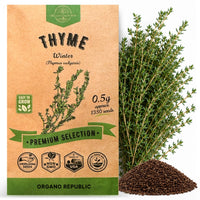
| Thyme | Herb | Low mat with a strong scent |
| Oregano | Herb | Pungent and fast spreading |
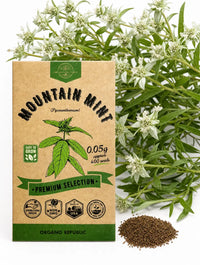
| Mint | Herb | Sharp menthol smell |
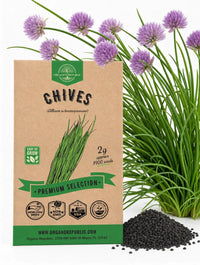
| Chives | Herb | Oniony scent |
| Fennel | Herb | Anise aroma, feathery leaves |
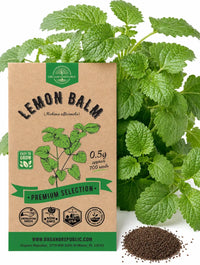
| Lemon balm | Herb | Citrus and mint scent |
| Dill | Herb | Aromatic, ferny foliage |
| Marigold | Flower | Spicy scent, bitter leaves |
| Daffodil | Flower | Toxic bulbs and foliage |
| Foxglove | Flower | Poisonous to browsers |
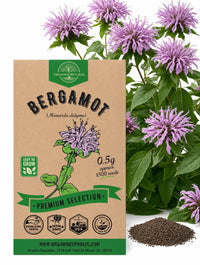
| Bee balm | Flower | Minty, aromatic foliage |
| Yarrow | Flower | Bitter, ferny leaves |
| Salvia | Flower | Aromatic foliage |
| Catmint | Flower | Strong minty scent |
| Russian sage | Flower | Silvery, aromatic stems |
| Lamb's ear | Foliage | Fuzzy, woolly leaves |
| Snapdragon | Flower | Bitter foliage |
Fragrant herbs deer usually walk right past
If you change only one thing this season, plant more aromatic herbs. The oils that deter deer are the same ones you cook with, and most of these plants are tough, drought tolerant, and happiest in the lean, sunny spots where fussier flowers sulk. Here is the part most guides skip: those oils concentrate in poor, fast-draining soil under full sun. Rich ground and heavy watering push out soft, leafy growth that is lower in oil and, ironically, more tempting to a deer. Keep these herbs a little hungry and they defend themselves better.
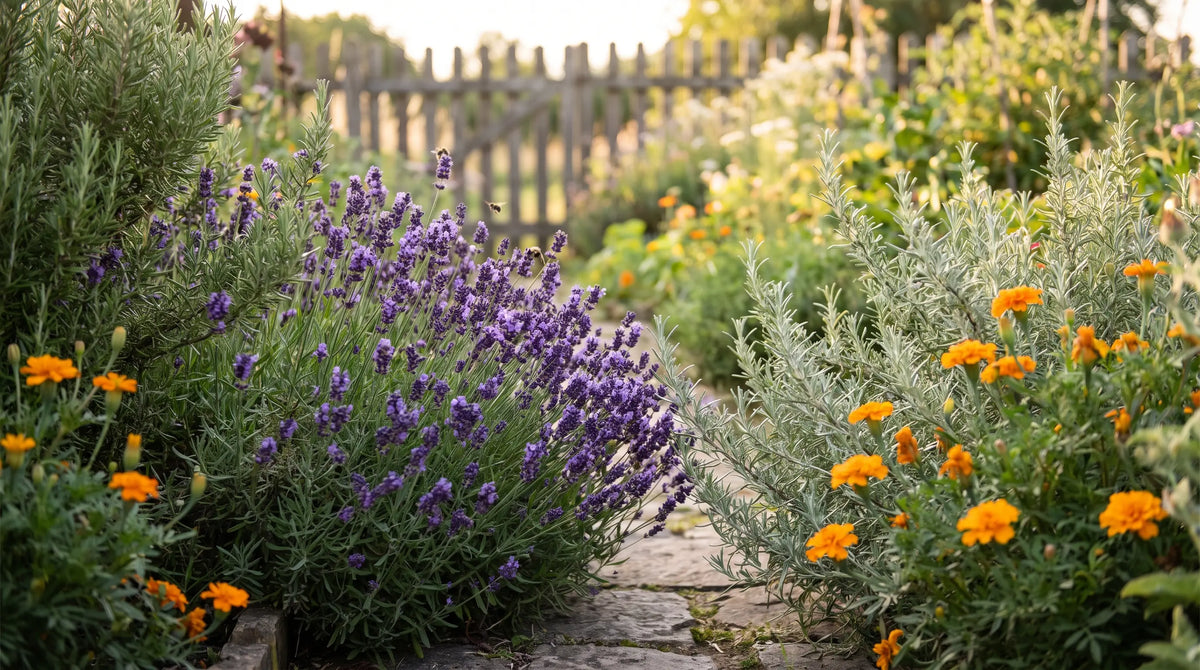
Lavender is the classic. Its silvery, resin-scented foliage carries so much oil that deer read the whole plant as off limits, leaf and flower alike. The thing that kills lavender is almost never cold, it is wet feet in winter, so give it full sun, gritty sharp drainage, and room for air to move. A low row along a walk gives you a fragrant border you actually want to brush past, and once settled it will shrug off dry spells for years. Shear it back after bloom, but never cut down into the bare old wood, which it struggles to regrow from.
Sale

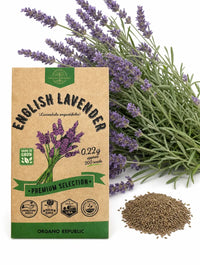
English Lavender Seeds – Non-GMO HeirloomDeer resistant favoriteSilvery, resin-scented foliage carries oil right through the plant, so deer read it as off limits leaf and flower alike. Give it full sun and gritty, fast-draining soil, keep it on the dry side, and you get a low, fragrant border that outlasts most perennials.
Price$4.99Starting at$3.99
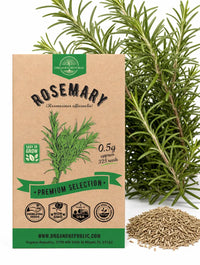
Rosemary earns the same trust. Its needles are resinous and pungent, it holds its leaves through much of the year in mild zones, and deer almost never test it. Set a few plants at the corners of a bed you want to guard, then clip sprigs for the kitchen all season. Where winters turn hard it is tender, so grow it in a pot you can move to a cool, bright spot indoors before the first deep freeze.
Sale

Rosemary Seeds – Non-GMO HeirloomAromatic evergreen herbA resinous evergreen deer almost never test. Set a few at the corners of the beds you want to guard, keep it lean and sunny for the strongest scent, and pot it up to overwinter indoors if you garden below its hardy range. Clip sprigs for the kitchen all season.
Price$4.99Starting at$3.99
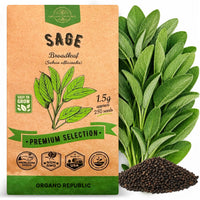
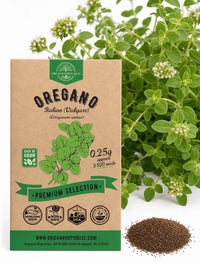
Round out the aromatic wall with sage, thyme, oregano, and mint. Sage brings soft, dusty leaves deer dislike on both scent and feel. Thyme knits into a low mat between pavers and along path edges where little else will grow. Oregano and mint stay pungent and spread fast on running roots, so give mint a pot or a bottomless bucket sunk in the bed unless you genuinely want it everywhere, because once it is loose it is hard to walk back.
Flowers deer tend to leave alone
You do not have to trade color for protection. Plenty of flowers hold their own against browsing, whether they taste bitter, smell strong, or wear a texture deer would rather not deal with.
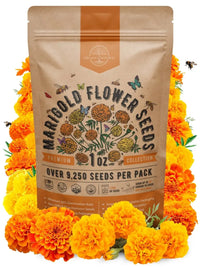
Marigolds are the workhorse. Their pungent, resinous foliage and bitter sap put most deer off, and they bloom hard from early summer right up to frost. Ring a vegetable bed with them and you get color, cut flowers, and a scented edge in one easy move. Pinch out the first spent blooms and keep deadheading through summer, and the show barely pauses.
Sale

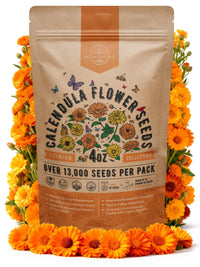
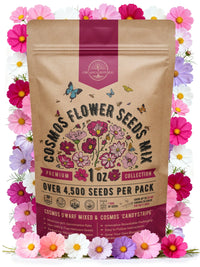
Marigold Seeds PackBright deer resistant bloomsPungent, bitter foliage most deer walk past, on a plant that blooms from early summer until frost. Ring a vegetable bed for cutting flowers and a scented edge in one move, and keep deadheading to stretch the show.
Price$12.99Starting at$7.99
Beyond marigolds, lean on daffodils for spring, then bee balm, yarrow, salvia, and snapdragons through the warm months. Daffodils naturalize and multiply on their own, and because the bulbs are toxic, deer and voles both leave them be, which makes them a smart bodyguard planted right among tulips, a deer favorite. Bee balm and salvia carry minty, aromatic foliage that pollinators crowd and deer pass by. Yarrow and snapdragons fill in with bitter, ferny or leathery leaves and long bloom windows, so the color keeps coming while the browsing stays low.
How to make your whole garden less tempting
Deer resistant plants work better as a system than as scattered singles, and a few habits stretch their effect across the beds around them. Plant the strong-smelling herbs on the outside. A border of lavender, rosemary, and catmint acts like a scent fence and helps mask the smell of the tastier plants tucked behind it. Group your most vulnerable crops, young lettuce or beans, toward the center where that fragrant ring can shield them.
Mix your scents and textures instead of laying out one long buffet of a single favorite. Deer learn easy meals and come back to them, so a bed that reads as unpleasant from several directions at once is far more likely to be skipped than a lone marigold in a sea of hostas. Water new plantings enough to settle their roots, then ease off: once these herbs are established, lean and slightly dry soil pushes them to make more of the very oils that keep deer walking. Overfeeding does the opposite, softening growth into exactly the kind of tender green a deer loves.
Deer resistant is not deer proof
Set your expectations honestly and you will be a lot happier with the results. In a mild year with plenty of wild forage nearby, the plants above go almost untouched. In a drought, a hard winter, or a yard under heavy deer pressure, even reliable choices get sampled. New plantings are the most at risk, since the growth is tender and the scent oils have not fully built up yet, and a fresh transplant often still smells of nursery soil and fertilizer rather than its own foliage.
Give new beds a hand for the first few weeks with a repellent spray or some light netting, then let the plants take over the job as they mature. If you spray, switch the scent every couple of weeks, because deer grow numb to any single repellent they smell too often. Pair the right plant list with smart placement and steady care, and you go from replanting the same salad every week to a garden that mostly looks after itself.
Frequently asked questions
What is the most deer resistant plant?
No plant is truly deer proof, but oil-rich aromatic herbs come closest, with lavender and rosemary at the top. Their heavy oils overwhelm a deer's nose, so they get skipped even when tastier plants right beside them are grazed hard. Woolly lamb's ear runs a close second on texture.
Do marigolds really keep deer away?
They help more than most bedding flowers. The pungent foliage and bitter sap make most deer think twice, which is why gardeners edge vegetable beds with them. They are no force field on their own, but folded into a fragrant border they lower the odds a browsing deer stops to feed.
Will deer ever eat deer resistant plants?
Yes, when they are hungry enough. In a drought, a hard winter, or a yard under heavy deer pressure with little wild forage, even reliable plants get sampled. Tender new growth goes first, so protect fresh plantings until they settle in and toughen up.
What smells do deer hate the most?
Concentrated aromatic oils. Lavender, rosemary, sage, and oniony chives all move deer along, and so do bitter, spicy scents like marigold. Those oils run strongest in full sun and lean soil, so keep plants a little hungry and edge a bed with them as a scent fence.
How do I protect a new garden from deer?
Border it with aromatic, deer resistant plants and tuck the vulnerable crops in the center behind that scent barrier. For the first few weeks, back it up with a repellent spray or light netting, and rotate the scent every couple of weeks so deer do not get numb to one smell.

- Choosing a selection results in a full page refresh.











 Easy Returns 30-day guarantee