


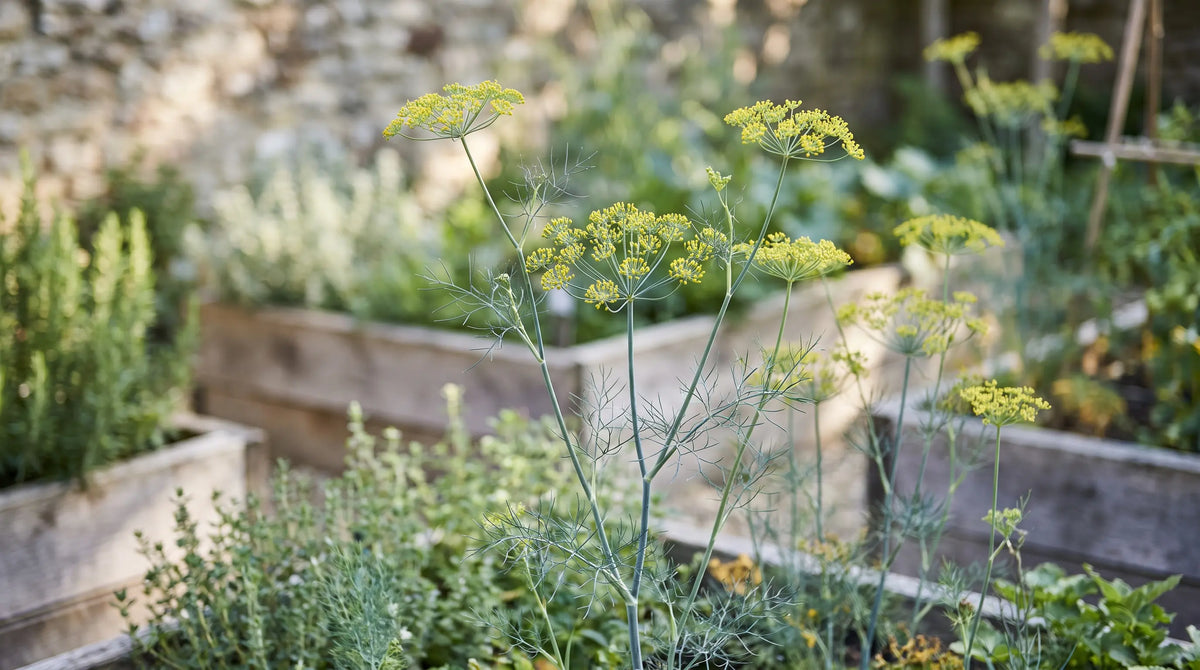
How to Harvest Dill Without Killing the Plant
Updated September 2026
You planted dill, it took off like a rocket, and now you have a feathery green cloud in the garden that you are almost afraid to touch. That hesitation is normal. Dill looks delicate, and a clumsy cut at the wrong spot can push the plant to bolt before you get much out of it. The good news is that dill is far tougher than it looks, and once you understand what makes it rush to seed, a single healthy plant can feed your kitchen for weeks.
The trick is deciding what you want from the plant before you pick up the scissors. Fresh fronds, flower heads, and ripe seed all come off the plant at different stages and call for slightly different cuts. Dill is an annual on a mission to flower and set seed, so every harvest is really a small negotiation with that clock. Read the plant right and you keep it working for you instead of shutting it down mid summer.
Sale

Bouquet Dill Seeds – Non-GMO HeirloomThe star herbBouquet dill, the classic choice for fresh fronds and plump seed heads.
Price$4.99Starting at$3.99
When Is Dill Ready to Harvest?
You can start snipping fronds once the plant carries four or five true feathery leaves and stands roughly 6 to 8 inches tall. That first real cutting usually lands a couple of months from sowing, though you can steal a sprig or two earlier if you go easy. Flavor is at its peak in the soft, blue green foliage produced before the plant flowers, so resist the urge to let it get big and bushy first.

Cut in the morning, right after the dew has dried but before the sun climbs. The oils that give dill its punch fade through the heat of the day, and cool fronds are crisp rather than limp, so they hold up far better on the way to the kitchen. Here is a quick succession trick. Sow a fresh short row every two to three weeks and you will always have young, tender dill on hand instead of one plant racing to seed.
How to Harvest Dill Leaves
For everyday cooking you want the fronds. Use clean, sharp scissors or your fingertips and take the outer, older leaves first, working in toward the growing tip at the center. Cut whole sprigs where they branch off the main stalk rather than pinching random tips. A clean cut at a junction heals cleanly and keeps the plant tidy, while ragged pinching leaves stubs that brown and invite rot.
The one rule that matters most is to never take more than about a third of the plant at a single go. Leaving the bulk of the foliage in place keeps enough leaf area to feed the roots and drive new growth. Strip a plant bare and it reads that as an emergency and bolts to seed, which is exactly what you are trying to avoid. Counterintuitive as it sounds, cutting little and often keeps dill bushier and more productive than leaving it alone, because each cut wakes up side shoots below.
Harvesting to Delay Bolting
Dill wants to flower and set seed. That is its whole life plan, and heat and long summer days only push it faster. Once it bolts, leaf production stalls, the fronds thin out and go stringy, and the flavor turns sharp. You can hold that moment off by harvesting regularly and, most importantly, by pinching out the flower stalks the instant you spot them rising from the center.
Look for a thicker, rounder central stem that suddenly shoots up above the foliage with a tight knob of buds at the tip. Snip that stalk out low and the plant pours its energy back into leaves. Stay on top of it and you can stretch the leaf harvest by a few weeks. Once summer heat really settles in, though, even diligent pinching only buys you so much time, which is why a fresh succession sowing is your real insurance. Some gardeners deliberately let a plant or two run to flower, which brings us to the fun part.
Sale

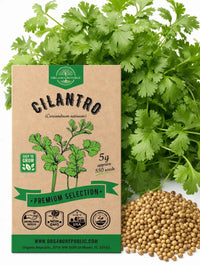
Cilantro Seeds – Non-GMO HeirloomQuick and easyA fast cool-season herb that pairs with dill in the kitchen and the garden.
Price$4.99Starting at$3.99
How to Harvest Dill Flowers
Those umbrella shaped yellow flower heads, the umbels, are the prize for pickling. They carry a rounder, sweeter, more perfumed version of the classic dill note, which is why a whole head tucked into a jar of cucumbers does what a handful of chopped fronds never quite can. Harvest them when the umbel is fully open and bright yellow, before any petals begin to brown. Cut the head with several inches of stem so you have something to grip and something to anchor it upright in the jar.
Taking flower heads does not set the plant back, and clearing them can even coax a little more leaf out of that stalk. Just remember that every flower you leave will ripen into seed, so decide up front which umbels go to the pickle crock and which you will let mature.
How to Harvest Dill Seeds
Seed is the final act. Leave a few of the best umbels on the plant and wait until the yellow flowers fade, the tiny green seeds swell, flatten, and turn tan to brown, and the whole head feels dry and rustles. This usually lands several weeks after flowering, often just as the parent plant starts to yellow and die back. Pull a seed off and bite it. It should be firm and dry, not soft or milky. Harvest too green and the seeds shrivel and lose flavor as they cure.
Snip the seed heads with a good length of stem and drop them head first into a paper bag. Hang or set the bag somewhere warm and airy for a week or so to finish curing, then shake or rub the heads and the seeds fall clean to the bottom. Winnow off the chaff by tipping the seed gently between two bowls in front of a fan. You get two rewards here. Dill seed for the spice jar and the pickle brine, and true to type seed to sow next spring, since these are open pollinated heirloom plants.
Sale

Italian Parsley Seeds – Non-GMO HeirloomCut and come againFlat-leaf parsley that keeps giving all season when you cut it often.
Price$4.99Starting at$3.99
Storing Your Harvest
Fresh fronds keep about a week standing stem down in a glass of water in the fridge, with a loose bag over the top to hold humidity. For longer storage, chop the fronds and freeze them in ice cube trays topped with water or olive oil, then pop the cubes straight into soups and sauces. Air drying is the weakest option, since dill loses most of its aromatic oils as it dries and goes flat and hay like, so freeze it if flavor matters to you. Seeds and flower heads must be bone dry before they go into an airtight jar in a cool, dark cupboard, where the seed holds its punch for a year or more and stays viable for planting even longer.
Frequently asked questions
Will cutting dill make it grow back?
Yes. Dill regrows readily after a trim, and light, regular harvests actually make it bushier because each cut wakes up side shoots lower down. Just take no more than about a third of the plant at once and cut clean sprigs at a stem junction so it keeps pushing out fresh fronds.
How do I stop my dill from bolting so fast?
Harvest often and pinch out the flower stalks the moment you see a thick central stem shooting up with a knob of buds. That sends energy back into leaves. Consistent watering and cooler weather help too, but in summer heat even diligent pinching buys only so much time, so sow a fresh short row every couple of weeks.
Can I harvest dill leaves and seeds from the same plant?
Yes, but not at the same time. Take leaves early while the plant is young and leafy, then let it flower and set seed later in the season. Once dill bolts and forms seed, the leaf flavor thins out and turns sharp, so work in that order: fronds first, flowers next, and seed last of all.
What time of day is best to harvest dill?
Early morning, once the dew has dried but before the sun climbs. The aromatic oils are strongest overnight and fade in the heat of the day, and cool fronds stay crisp instead of wilting. That window gives you the most flavorful dill to carry straight into the kitchen for cooking or storage.
How do I know when dill seeds are ready to collect?
Wait until the flowers fade and the seeds swell, flatten, and turn tan to brown, usually several weeks after flowering and often as the plant yellows. Bite one to check it is firm and dry, not soft or milky. Then cut the heads into a paper bag, cure another week, and shake the seed loose.

- Choosing a selection results in a full page refresh.









 Easy Returns 30-day guarantee