


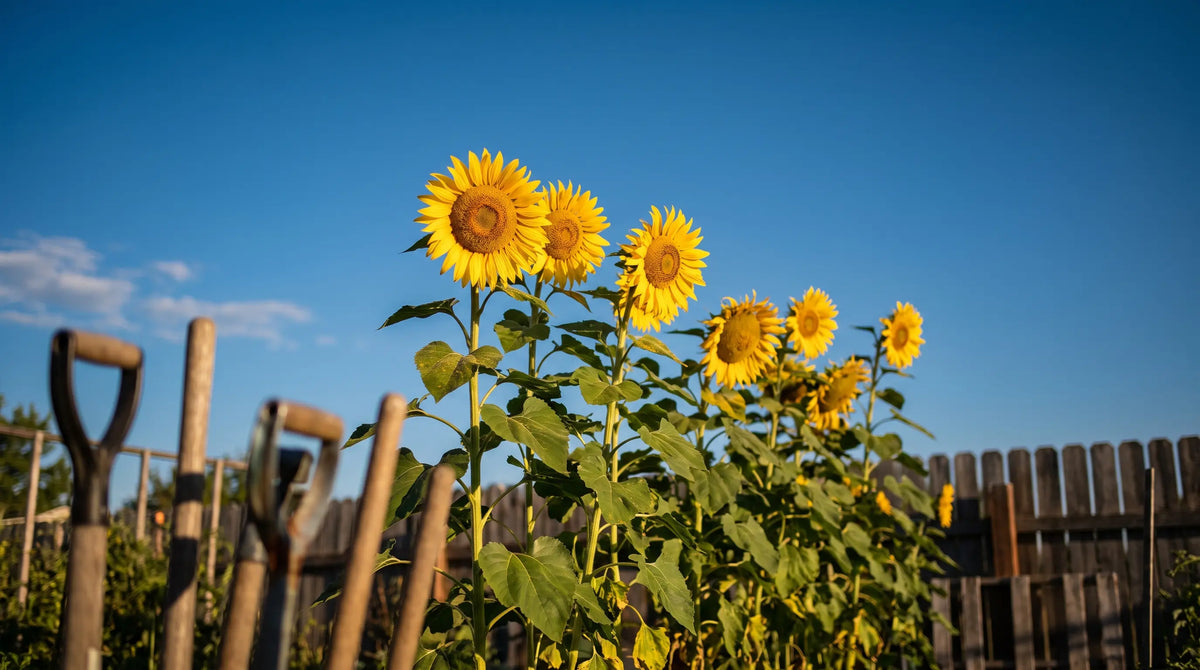
When to Plant Sunflowers for Blooms All Summer
Updated October 2026
You want sunflowers nodding over the fence from June right through to the first cold nights, not one quick show in July that burns out before the season hits its stride. The good news is that timing is almost the whole game, and it is simpler than most people make it. Get your first seeds in when the soil is ready, keep a few more coming along behind them, and you can have fresh faces opening for months.
When to plant sunflowers
Sunflowers are warm-season annuals, so they read soil temperature, not the calendar. Wait until your last spring frost is well behind you and the soil has warmed to about 55 to 60°F a couple of inches down. Across most of the country that lands between mid-April and late May, but a warm week in early spring fools a lot of gardeners into sowing into ground that is still cold underneath. A cheap soil thermometer settles it in seconds. Seeds dropped into cold, wet soil tend to rot before they can sprout, while the same seed in warm ground is up and reaching in under a week.

Plant them right where they are going to bloom. Sunflowers drive down a deep taproot fast and hate having it disturbed, so direct sowing beats babying them in trays, and it spares you the transplant sulk that stalls moved seedlings for weeks. Set the seeds about an inch deep, a touch deeper in light sandy soil, firm the ground over them so the seed sits snug against moist soil, and water them in. Give them your sunniest spot, six hours minimum and more if you have it, and if you can, put them where you will see them from the east, since mature heads settle facing the sunrise once they stop tracking the sun. From sowing to the first open flower runs anywhere from 55 to 100 days depending on the variety.
Give each plant honest room to stand. Space the smaller kinds about six inches apart and the tall, big-headed giants closer to a foot and a half, then thin the extras while they are still young. This is the step people skip, and it costs them. Crowded sunflowers fight for light and water, come up skinny and shallow-rooted, carry smaller heads, and go over in the first real summer storm. Snip the weaker seedlings off at soil level with scissors instead of yanking them, and the roots of the keepers stay undisturbed.
Plant in waves for blooms all summer
Here is what turns one quick burst into a whole summer of color. Instead of sowing every seed on one afternoon, put in a short row now and another every two to three weeks through the middle of summer. Each wave opens a couple of weeks behind the one before, so the second batch is cracking open just as the first starts to brown. Do not be thrown if the later sowings come in a little shorter and bloom a touch faster, since plants that flower into the shortening days of late summer often size down, and that is perfectly normal. A mixed blend stretches the effect further, since a range of heights and shades keeps the bed looking new every couple of weeks.
Sale

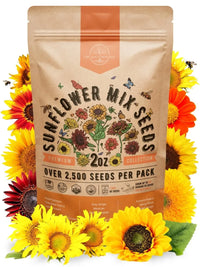
Sunflower Seeds, Mixed Colors – Non-GMO HeirloomBest for successionAn heirloom blend of heights, colors, and bloom times that keeps every wave looking a little different and stretches the show without extra work.
Price$14.99Starting at$12.99
Time your last sowing to finish ahead of the cold. As a rule, stop about ten weeks before your average first fall frost, then fine-tune it by counting back the days to bloom for your variety. That gives you the honest cutoff for your own yard, not a generic one.
| Step | When to do it |
|---|---|
| First sowing | After your last frost, soil 55 to 60°F |
| Repeat sowings | Every 2 to 3 weeks through midsummer |
| Final sowing | About 10 weeks before first fall frost |
Match the variety to the job
Not every sunflower behaves the same, and knowing the difference saves you a lot of guesswork. Single-stem types send up one stalk topped by one head, bloom once, and are finished. That sounds limiting, but it is exactly what you want for a cutting patch, since a whole sowing opens together on long, straight stems, and for a stand of seed heads you mean to leave for the birds. Branching types keep pushing new side blooms for weeks from a single planting, on shorter stems but far more of them. If you want the longest run of color from the fewest sowings, lean on the branching kinds and lay a wave or two of single-stems on top for cutting.
For the back of the border and for the birds, the tall dark-seeded classics are hard to beat. They stand sturdy and high, their open faces carry the pollen that keeps bees working all day, and the heads fill with the small oil-rich seeds that finches and cardinals go after once the petals drop. Let a few heads dry right on the stalk, and when the back of the head turns from green to yellow-brown and the seeds firm up, the birds will find them on their own and keep the garden fed long after the main show is over.
Sale

Black Oil Sunflower Seeds – Non-GMO HeirloomBird favoriteTall, sturdy stalks that hold big seed-packed heads of the small oil-rich seed finches and cardinals seek out well into fall.
Price$5.99
Sale Price$4.99
Keep the color and the pollinators going
Sunflowers pull in bees and butterflies on their own, but a few steady companions stretch both the color and the buzz well past any single bloom. Zinnias are the classic match. They love the same heat, flower from early summer right up to frost, and push out new buds the more you cut them. Sow them into the same warm soil and on the same wave schedule as your sunflowers, pinch the young plants once when they are a few inches tall to set them branching, and the two carry the bed together.

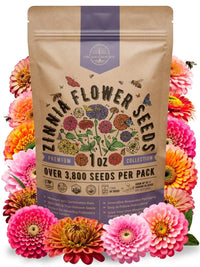
Zinnia Flower Seeds – Non-GMO HeirloomPollinator partnerA heat-loving partner that blooms from early summer to frost, gives more the more you cut, and runs on the same warm-soil timing as your sunflowers.
Starting at$4.99
Wait for warm soil, sow in waves, and tuck in a few reliable companions. Do that and the hardest decision of your summer will be which armful to cut and carry indoors.
Frequently asked questions
When is the best time to plant sunflowers?
Plant after your last spring frost, once the soil a couple of inches down has warmed to about 55 to 60°F. For most gardens that lands between mid-April and late May. Warm soil matters more than the calendar, so if the ground still feels cold to the touch, wait a week and try again.
How do I get sunflowers to bloom all summer?
Sow in waves instead of all at once. Plant a short row now, then another every two to three weeks through midsummer, and each batch flowers a couple of weeks behind the last. Leaning on branching varieties helps too, since they keep throwing new side blooms for weeks from a single sowing.
Can I start sunflowers indoors?
You can, but direct sowing almost always does better. Sunflowers grow a deep taproot and resent being moved, so seeds planted right where they will bloom come up stronger. If you must start early for a short spot, use deep pots and transplant while the seedlings are still young.
How late in the season can I plant sunflowers?
Make your final sowing about ten weeks before your average first fall frost so the plants have time to finish. To fine-tune it, check the days to bloom listed for your variety and count back from your frost date. Late sowings often bloom shorter and faster, which is perfectly normal.
Do sunflowers need full sun?
Yes. Sunflowers want at least six hours of direct sun a day, and they are happiest with more. In too much shade they stretch, lean hard toward the light, and set smaller heads on weak stems. Give them your brightest, warmest, well drained spot and they will stand up and face the day.

- Choosing a selection results in a full page refresh.









 Easy Returns 30-day guarantee