



When to Plant Zinnia Seeds for Nonstop Color
Updated September 2026
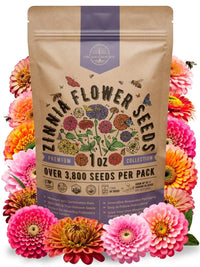
You want a flower bed that keeps giving from early summer right up until frost, and zinnias are about the easiest way to get there. The catch is timing. Plant too early into cold, clammy soil and the seed rots before it can germinate. Plant once and walk away, and you get one glorious flush that has burned itself out by mid summer. Get the timing right, though, and you can cut armloads of fresh bouquets for months without buying a single transplant.
The short answer on when to plant zinnia seeds
Zinnias are true warm-season annuals with a low tolerance for cold, so wait until all danger of frost has passed and the soil has genuinely warmed. Do not go by the calendar or by air temperature, which can lie to you on a sunny afternoon while the ground below stays cold. Push a cheap soil thermometer two inches down first thing in the morning, and look for a steady 65 to 70 degrees. For most gardens that lands one to two weeks after your last spring frost date. Seeds dropped into cold, wet ground below about 60 degrees just sit and sulk, and a good share of them simply rot rather than sprout.

Sow them straight into the bed where they will grow. Zinnias have a taproot that resents being disturbed, and a checked seedling often sulks for weeks or bolts straight to a stunted early bloom. Direct sowing sidesteps all of that. Drop the seeds about a quarter inch deep, firm the soil over them so they make good contact, and keep the top inch evenly moist (never soggy) until they emerge, usually within a week or so. Once they have their first true leaves, thin without mercy to roughly eight to twelve inches apart. This is the step gardeners hate and the one that matters most, because crowded zinnias trade flowers for a fight over light and air, and that stress is exactly what invites mildew.
Sale

Pollinator Garden Wildflower Seeds Mix – Non-GMO HeirloomPollinator FavoriteA ready-made blend to fill a bed with color and keep bees and butterflies visiting all season.
Price$24.99
Sale Price$22.99
Timing by region
Your last frost date does most of the work here. Warm southern gardens can often start in April, while cooler northern beds wait until late May or into June. Treat this chart as a starting point, then let your own soil temperature make the final call.
| Region | Approximate sowing window |
|---|---|
| Deep South and Gulf | Late March to April |
| Mid-South and lower Midwest | Mid-April to May |
| Northeast and upper Midwest | Mid-May to early June |
| Mountain West and cold zones | Late May to June |
| Pacific Northwest | Late May, once nights stay reliably above 50 degrees |
If you garden in a short-season area and want a head start, you can sow indoors about four weeks before your last frost, but no earlier. Zinnias grow fast and turn root-bound and leggy if they are held indoors too long, which defeats the purpose. Use deep cells or peat pots so the taproot stays intact at transplant, and harden the seedlings off over a week before they go out. Any longer on the windowsill and you are usually better off just direct sowing a few days later.
The trick to nonstop color: succession sowing
Here is where most people miss out. A single planting blooms hard for several weeks, then winds down as the plants pour their energy into seed. The fix is to sow a fresh short row every two to three weeks through early and mid summer. As the first patch starts to tire, the next one is coming into flower, so the bed never goes quiet. A row or two of seed each time is plenty. You are staggering the show, not doubling your workload.
Most zinnias run about 60 to 70 days from seed to first bloom, so you can keep sowing until roughly two months before your first expected fall frost. That final sowing carries you into autumn, throwing fresh color right when the rest of the garden is packing it in. One caveat worth knowing: those late-summer sowings go in during peak heat and dry spells, so keep the seedbed damp until they are up and established, or germination drops off fast.
Sale

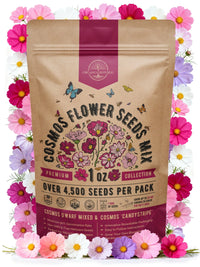
Cosmos Flower Seeds – Non-GMO HeirloomNon-GMO HeirloomAiry, tall companions that sit beautifully behind a row of zinnias.
Price$14.99Starting at$12.99
How to keep them blooming once they start
Zinnias reward you for cutting them. The plant's goal is to set seed, so every time you remove a flower before it can, the plant answers by branching lower down and pushing new buds. That means a vase habit is also a bloom-boosting habit, and cut-and-come-again is not a slogan here, it is how the plant is wired. For the best stems, cut when the flower is fully open but still firm, and use the wiggle test: grip the stem a foot down and give it a gentle shake, and if it stays stiff and upright rather than flopping, it is ready to cut and will hold up in the vase. If you are not cutting, deadhead spent blooms back to the next set of leaves before they brown and set seed.
Give them full sun, at least six hours a day, and honor that spacing so air moves freely between plants. Damp, crowded foliage is an open invitation to powdery mildew, which is the one reliable headache with this crop. Water at the base early in the day rather than over the leaves, so the foliage dries fast and the spores never get their foothold. If you do see that telltale gray dusting on the lower leaves, strip the affected foliage off and improve airflow rather than letting it climb the plant. This is also a good reason to look for mildew-resistant types when you can, since some strains shrug it off far better than others.
Pair them with easy companions
Zinnias play well with other heat-loving annuals that thrive on the same simple care and the same watering schedule. Cosmos brings airy height and lacy foliage behind a zinnia row, softening the solid, geometric zinnia blooms, and both keep bees and butterflies working the bed all season.
Sale

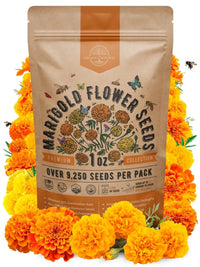
Marigold Seeds PackEasy to GrowSteady low color for the front edge of a sunny summer border.
Price$12.99Starting at$8.99
Marigolds earn their spot along the front edge, holding steady low color and shading the soil while the taller stems do their thing. Sow them at the same time as your zinnias and you build a layered, buzzing border in one pass, with almost no extra work.
Whatever mix you choose, the pattern is the same. Wait for warm soil, thin without mercy, sow in waves, keep cutting, and let the color roll right through to frost.
Frequently asked questions
When is the best time to plant zinnia seeds?
Plant zinnia seeds one to two weeks after your last spring frost, once the soil has warmed to a steady 65 to 70 degrees measured in the morning. Cold, wet ground below about 60 degrees causes seeds to rot, so patience pays off. Expect April to early June depending on your region.
Should I start zinnias indoors or sow them directly?
Direct sowing is usually best because zinnias have a taproot that resents disturbance. If your season is short, start them indoors about four weeks before your last frost (no earlier, or they turn leggy) in deep cells or peat pots, then harden them off and transplant gently so roots stay intact.
How do I get zinnias to bloom all summer?
Use succession sowing. Sow a short new row every two to three weeks through early and mid summer so fresh plants flower as older ones fade. Keep cutting blooms or deadheading back to the next set of leaves before they set seed, and the plants keep pushing new buds until frost.
How long do zinnias take to bloom from seed?
Most zinnias flower about 60 to 70 days after sowing. That quick turnaround is why succession planting works so well, and why you can keep sowing until roughly two months before your first expected fall frost for that welcome late-season color in the bed.
What plants grow well with zinnias?
Cosmos and marigolds are natural partners since they love the same heat, full sun, and watering rhythm. Cosmos adds airy height behind zinnias, while marigolds hold low color and shade the soil at the front edge. All three attract pollinators and thrive with the same simple care.

- Choosing a selection results in a full page refresh.














 Easy Returns 30-day guarantee