Home / Growing Guides / How to Grow Balsam Flowers from Seed
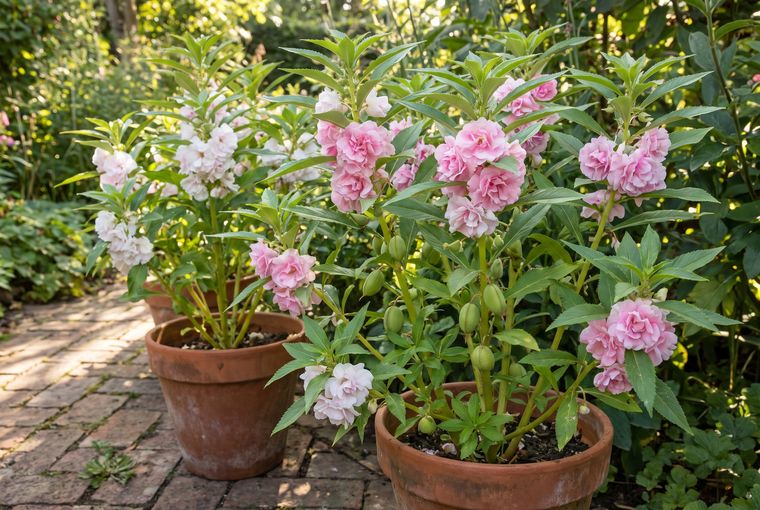
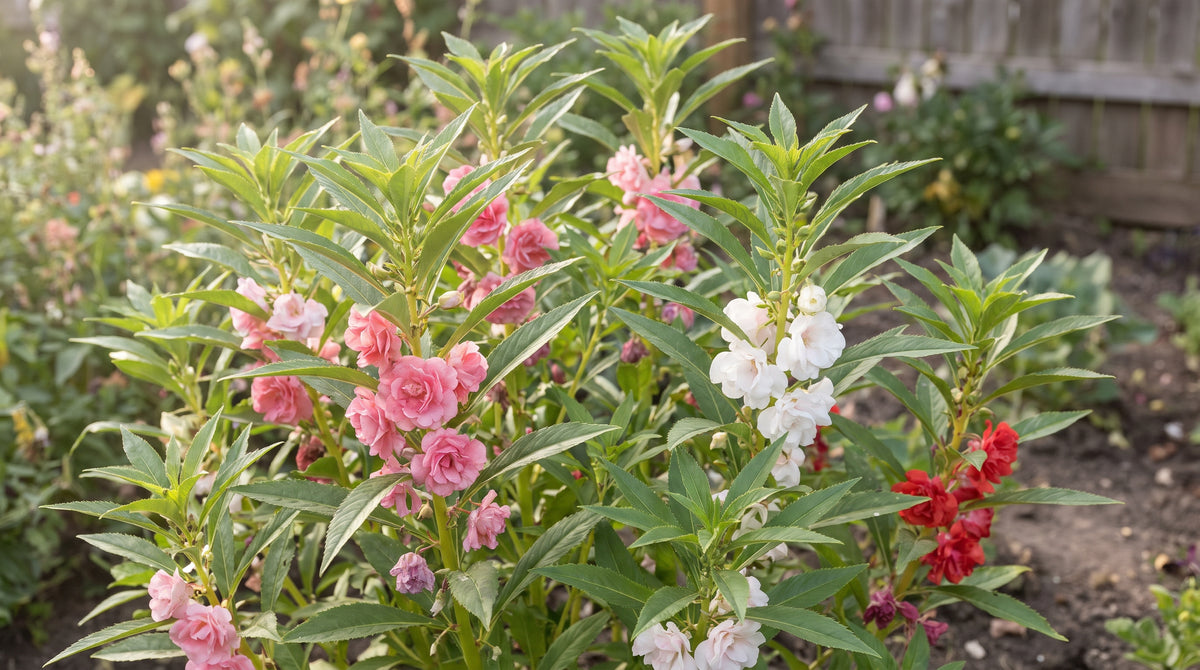
Upright garden balsam plants in a sunny bed with double pink, white, and red camellia-like flowers clustered along the stems

How to Grow Balsam Flowers from Seed

Updated November 2026

Garden balsam (Impatiens balsamina), also called rose balsam or touch-me-not, is an old-fashioned annual that lines its upright stems with single or double blooms, many as full as a small camellia, in pink, rose, red, purple, and white. It is a true heirloom: Thomas Jefferson recorded planting double balsam in Virginia in 1767. The balsam flower is still easy to grow from seed and blooms from summer until frost.

It is a cousin of the shade bedding impatiens (Impatiens walleriana), but a different plant: balsam grows upright instead of in a mound, carries its flowers along the stem, and takes far more sun. Nor is it Himalayan balsam (Impatiens glandulifera), an invasive weed of stream banks in parts of North America and Europe. Here is how to grow it, from sowing the seed to saving your own.

Best tip

Snap off young seed pods through midsummer to keep the flowers coming, then let the last pods ripen about a month before frost. You get a longer show and a free envelope of seed for next spring.

At a glance

How to Grow Balsam Flowers from Seed — growing specifications at a glance
Botanical nameImpatiens balsamina
Plant typeAnnual flower
USDA zonesGrown as an annual in all zones
SunFull sun to part shade
Days to maturity60 to 85 days to bloom
Height12 to 30 inches
Spacing12 to 18 inches
WaterRegular, keep soil evenly moist

When to plant

Garden balsam is frost tender, so timing keys off your last spring frost. For the earliest flowers, start balsam seeds indoors 6 to 8 weeks before that date. Plants need about 60 to 85 days from sowing to first bloom, so an indoor start buys you weeks of extra color. Or sow in the garden once frost danger has passed and the soil has warmed.

In zones 3 to 5, from the Dakotas to northern New England, start indoors and set plants out once nights stay mild, often late May or early June. Seed sown outdoors there may not bloom until late summer. In the Deep South and along the Gulf Coast, plant right after your last spring frost, in a spot with morning sun and shade the rest of the day, since summer heat there is hard on it. In the Southwest's low desert, warm-season flowers go in from about February through May, so plant early in that window and give balsam afternoon shade and steady water. At higher elevations, follow your frost date.

How to plant

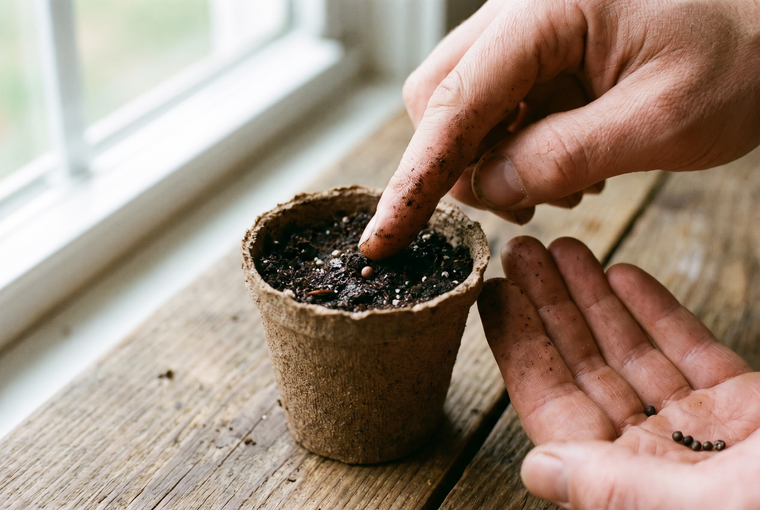
Balsam is easy from seed. The one rule that matters is to keep the seed shallow, since many growers find a little light helps it sprout.

  • Fill small pots or cells with moist seed-starting mix and press 2 or 3 seeds into the surface of each.
  • Cover with no more than 1/8 inch of mix, or simply leave the seed pressed in.
  • Keep the mix evenly moist at 65 to 75 degrees. A loose plastic cover holds in humidity; remove it once sprouts appear.
  • Most seeds sprout in 7 to 15 days, though a few take up to 3 weeks. Give seedlings bright light and thin to the strongest one per pot.
  • Once frost has passed, harden plants off for 7 to 10 days, then set them 12 to 18 inches apart in rich, moist, well-drained soil.

Sowing outdoors instead? Scatter seed 2 to 3 inches apart after frost, barely cover it, and thin to the same spacing.

Press each balsam seed into moist seed-starting mix and barely cover it, since many growers find light helps it sprout.

Growing and care

Steady moisture is the heart of balsam care, because this plant has little tolerance for drought. Water deeply at the base at least once a week in dry weather, and more often in pots and heat waves, so the soil stays evenly moist but never soggy. A 1 to 2 inch layer of shredded leaves or other organic mulch holds moisture in; just keep it off the stems. Feed lightly with a slow-release fertilizer at planting and go easy after that, since too much nitrogen gives you leaves instead of flowers.

Pinch the tips of young plants if you want a bushier look. Once flowering starts, pick off young seed pods now and then, because a plant busy ripening seed slows down on flowers. Many growers also strip a few lower leaves so the flowers tucked along the stems show better, though that is a matter of taste. Where summers run hot, make sure plants get afternoon shade.

The best companion plants

Balsam is happiest beside other annuals that like rich, evenly moist soil and sun to part shade, so the whole bed gets watered the same way.

  • Coleus: shares balsam's taste for moist soil and part shade, and its bold leaves frame the flowers tucked along balsam stems.
  • Flowering tobacco (Nicotiana): another old-fashioned annual for sun to part shade, with tubular blooms that also draw hummingbirds.
  • Wax begonia: a tidy, low edging plant for the same moist, partly shaded beds.
  • Torenia: a shade-tolerant little annual that loves even moisture and fills the front of the bed.
  • Scarlet sage (Salvia splendens): upright red spikes for sun to part shade, and another hummingbird favorite.

Avoid pairing balsam with dry-soil lovers like moss rose, lavender, or yucca, since the steady water balsam needs will leave them soggy and struggling.

Harvest

Balsam flowers from summer right up to the first frost. For small arrangements, cut whole stems in the cool of the morning and strip most of the leaves so the blooms along the stem can shine. An 1888 seed catalog also suggested setting individual blooms in a shallow dish of moist sand or moss, a lovely way to see the double flowers up close.

Saving balsam seeds is half the fun. About a month before your first fall frost, stop removing pods and let them ripen. Ripe pods swell, fade from deep green toward yellow, and burst at a touch, so slip a small mesh or paper bag over a pod before you pick it, or close your hand around it. Spread the seed on a plate to dry for a few days, then store it in a labeled envelope somewhere cool and dry.

Uses

Garden balsam belongs where you walk by often, because its flowers reward a close look. Line a path or the front of a border with it, tuck it into a cottage or heirloom bed, or grow a balsam plant or three in containers on a patio, where the blooms sit closer to eye level and watering is easy. Bees and hummingbirds visit the flowers, and butterflies and moths stop by too, so it earns a place in a pollinator planting.

It is a wonderful flower for kids, since ripe pods pop at the lightest touch. It also carries a long tradition in Asia. In Korea, dyeing fingernails with crushed balsam petals is a summer custom for girls and women, and the flowers have served as a natural nail dye in other parts of Asia too.

Double balsam flowers thrive in terracotta pots on a sunny patio, with green seed pods ripening along the stems.

Common problems

  • White, powdery coating on leaves: powdery mildew. Space plants for airflow, water at the base in the morning, and pick off the worst leaves.
  • Yellow spots or yellowing leaves with white fuzz underneath, sometimes curling down and dropping: impatiens downy mildew, which balsam can catch in cool, wet weather. Pull and bag infected plants for the trash, not the compost, and skip impatiens and balsam in that spot for several years, since the spores linger in the soil.
  • Pale speckling and fine webbing under leaves: spider mites, which can turn up in hot, dry spells. Keep plants watered and hose off leaf undersides, or use insecticidal soap.
  • Small insects clustered on new growth: aphids. Knock them off with a strong spray of water or use insecticidal soap.
  • Seedlings that collapse at the soil line: damping off. Use fresh seed-starting mix, avoid overwatering, and keep air moving.
  • Nibbled seedlings and shoot tips: deer, which mostly go after young growth. Protect new plants where deer roam.

Frequently asked questions

Is garden balsam the same as impatiens?

Same genus, different plant. Bedding impatiens (Impatiens walleriana) form low mounds of flat flowers and want shade. Garden balsam grows upright, carries its blooms along the stem at the leaf joints, takes much more sun, and is easy to grow from seed.

Why is balsam called touch-me-not?

Ripe seed pods burst open at the slightest touch and fling their seeds away from the plant. Even the genus name fits: Impatiens is Latin for impatient. To save seed, bag a plump pod or close your hand around it before you pick it.

When should I plant balsam seeds?

Start seed indoors 6 to 8 weeks before your last spring frost, or sow outdoors once all danger of frost has passed and the soil is warm. Plants need about 60 to 85 days to bloom, so an indoor start gives you flowers weeks sooner.

Does balsam come back every year?

Balsam is an annual, so each plant lives one season and dies with the first frost. It self-sows freely, though, so if you let a few pods ripen you will likely find volunteer seedlings the next spring.

Is garden balsam invasive?

Garden balsam reseeds in the garden, so pull extra seedlings, but it is not the balsam behind invasive weed warnings. That is Himalayan balsam (Impatiens glandulifera), a 3 to 10 foot plant that crowds stream banks in parts of North America and Europe.

Can balsam grow in shade?

Partial shade, yes. Balsam grows in full sun to part shade, and morning sun with afternoon shade suits it well where summers are hot. Unlike bedding impatiens, it also takes full sun in mild-summer areas if the soil stays moist.

Planning a bed of old-fashioned color? Explore our heirloom, non-GMO flower seeds.

Maxim Kaufman, Founder and CEO of Organo Republic

By Maxim Kaufman — Founder & CEO, Organo Republic

Maxim founded Organo Republic in 2017 and personally selects and supervises the quality control of the heirloom, non-GMO varieties the company offers. Under his leadership, Organo Republic was named Agri Business Review’s Top Non-GMO Seed Variety Solution 2026.

Stay Connected

Join Our Garden Community

Daily garden inspiration, how-to videos & behind-the-seeds stories.